Công ty Hải Đức Bột với hơn 10 năm kinh nghiệm vận chuyển khí, cung cấp hệ thống‑thiết bị‑quạt gió và nhận dự án tổng thầu bột cả nước
When it comes to handling and transporting alumina, selecting the right conveying method is crucial for efficiency, safety, and cost-effectiveness. Alumina, a key raw material in various industries such as ceramics, refractories, and chemical manufacturing, requires specialized equipment to ensure smooth and reliable transport. This article provides a detailed comparison of common alumina conveying methods, highlighting their advantages and disadvantages to help industrial operators make informed decisions.
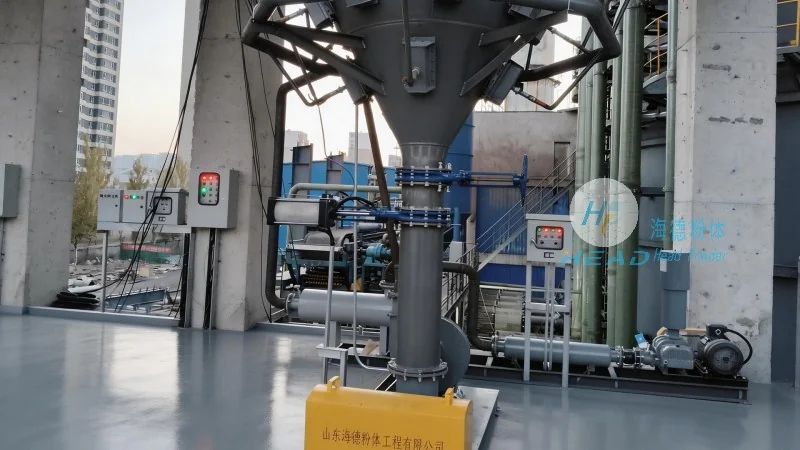
Pneumatic Conveying Systems
Pneumatic conveying systems use air or other gases to transport alumina particles through a pipeline. This method is widely used for its ability to handle fine powders and provide a dust-free environment. One of the primary advantages of pneumatic conveying is its high efficiency, as it can transport materials over long distances with minimal labor. Additionally, it offers excellent control over the flow rate and direction of the material, making it suitable for complex layouts. The system also maintains a clean and hygienic environment, which is critical in food and pharmaceutical applications where alumina might be used as an additive. However, pneumatic conveying comes with significant drawbacks. The equipment is complex and requires regular maintenance to ensure optimal performance. High-pressure air systems demand substantial energy consumption, increasing operational costs. Moreover, the system has limitations on the size and moisture content of the alumina particles; overly large or wet particles can cause blockages and reduce efficiency. For industrial facilities in China, such as those located in Shandong, pneumatic conveying is often preferred for its ability to integrate with existing infrastructure and meet local environmental regulations.
Screw Conveyors
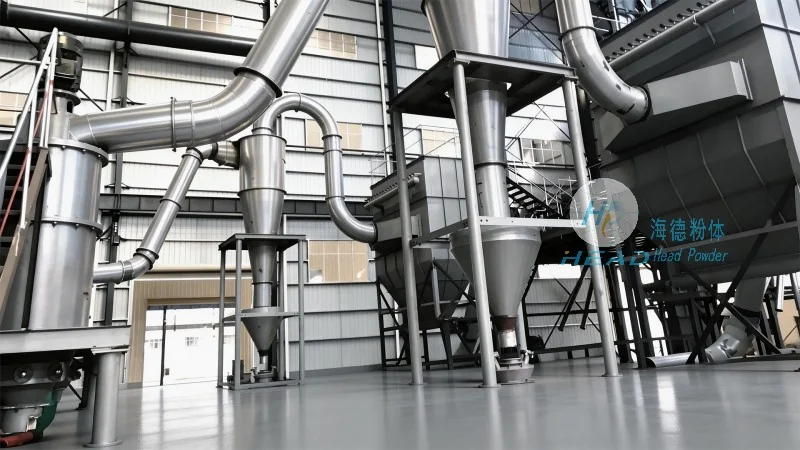
Screw conveyors, also known as auger conveyors, are mechanical devices that use a rotating screw to move alumina through a trough or tube. This method is particularly effective for transporting bulk materials over short to medium distances. The main advantage of screw conveyors is their simplicity and low cost. They require minimal maintenance and are relatively easy to install, making them an attractive option for small to medium-sized operations. Screw conveyors are also versatile, as they can handle a wide range of alumina types, including dry and slightly wet powders. The system is self-contained, reducing the need for additional equipment like hoppers or feeders. Nevertheless, screw conveyors have several limitations. They are not suitable for long-distance transport, as the material can experience excessive friction and wear, leading to blockages. The rotating screw also generates heat, which may affect the quality of the alumina, especially if it is heat-sensitive. Furthermore, the conveyor's capacity is limited by the screw's diameter and speed, making it less efficient for high-volume applications. In the context of Shandong, screw conveyors are commonly used in smaller alumina processing plants where space and budget are constraints.
Belt Conveyors
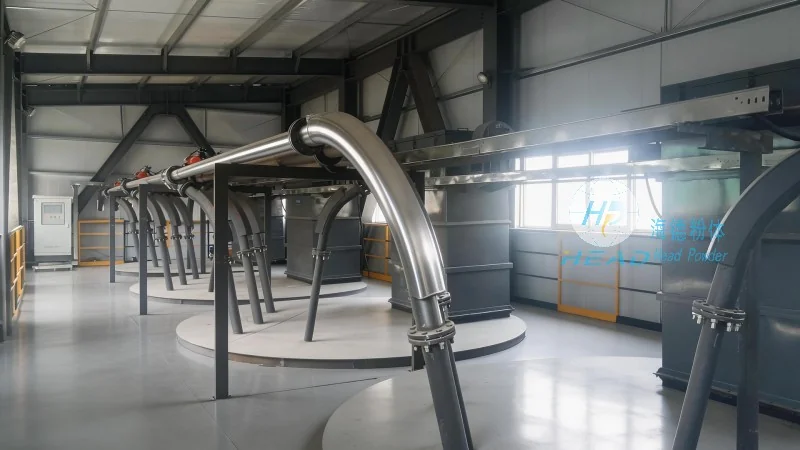
Belt conveyors are one of the most widely used methods for transporting alumina, especially in large-scale industrial settings. These systems consist of a continuous belt that moves over rollers, carrying the alumina from one point to another. The primary advantage of belt conveyors is their ability to handle high volumes of material over long distances with high efficiency. They are ideal for applications requiring continuous operation, such as in mining and processing plants. Belt conveyors also offer low maintenance costs compared to other systems, as the components are durable and require minimal upkeep. The system is highly reliable, with few moving parts that can fail, ensuring consistent performance. However, belt conveyors have significant drawbacks. They require a large footprint, as the conveyor belt and supporting structure take up considerable space. This can be a challenge in facilities with limited area, such as those in urban or densely populated regions of China. Additionally, belt conveyors are prone to dust generation, which can pose health and safety risks if not properly contained. The system also needs regular cleaning and lubrication to prevent wear and tear, increasing long-term operational expenses. Despite these challenges, belt conveyors remain a popular choice for large alumina producers in Shandong due to their cost-effectiveness and scalability.
Conclusion
Choosing the right alumina conveying method depends on several factors, including the material's properties, the required distance, and the budget constraints of the operation. Pneumatic conveying excels in efficiency and cleanliness but demands higher maintenance and energy costs. Screw conveyors offer simplicity and versatility but are limited by distance and capacity. Belt conveyors provide high throughput and reliability but require more space and maintenance. For industrial facilities in China, particularly those in Shandong, the choice often involves balancing these factors to achieve optimal performance. As a leading provider of alumina handling solutions, Shandong HeadPowder Engineering Co., Ltd. specializes in designing and implementing customized conveying systems that meet the specific needs of each client. By leveraging their expertise in material science and industrial engineering, HeadPowder ensures that clients receive the most suitable and cost-effective solutions for their alumina transport requirements. Whether it's pneumatic, screw, or belt conveyors, HeadPowder's team of professionals works closely with clients to assess their operational needs and recommend the best approach, ultimately enhancing productivity and reducing operational costs.

 Công ty TNHH Kỹ thuật Công trình Bột Hải Đức Sơn Đông
 156-6277-7102(Quản lý Trương)
  0531-83386006
  Quận Chương Khâu, Thành phố Tế Nam, Tỉnh Sơn Đông, Trung Quốc
Điện thoại
WeChatTư vấn
Lên đầu