Công ty Hải Đức Bột với hơn 10 năm kinh nghiệm vận chuyển khí, cung cấp hệ thống‑thiết bị‑quạt gió và nhận dự án tổng thầu bột cả nước
When it comes to handling calcium carbide powder, selecting the right conveying method is crucial for efficiency, safety, and cost-effectiveness. Shandong HeadPowder Engineering Co., Ltd., a leading manufacturer based in China, specializes in providing solutions tailored to various industrial needs. This article provides a detailed comparison of common calcium carbide powder conveying methods, highlighting their advantages and disadvantages to help businesses make informed decisions.
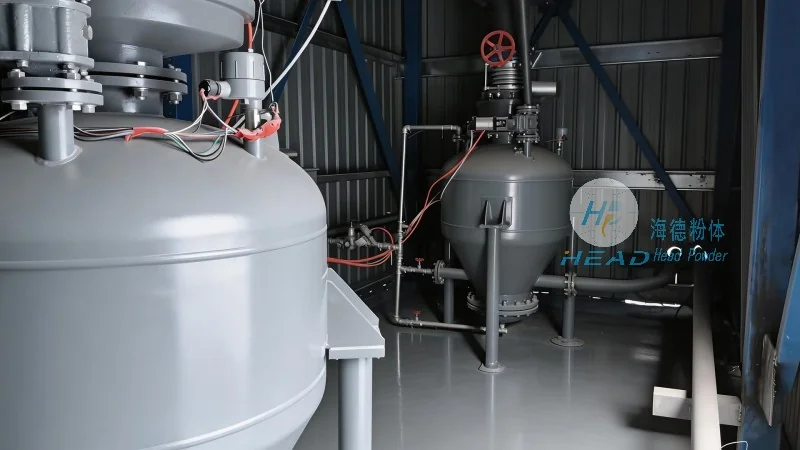
Overview of Calcium Carbide Powder Conveying Methods
Calcium carbide powder is widely used in industries such as chemical synthesis, metallurgy, and the production of acetylene gas. Due to its fine particle size and reactive nature, proper handling and transportation are essential to prevent dust accumulation, material degradation, and potential safety hazards. Several methods are commonly employed for calcium carbide powder conveyance, each with distinct characteristics and applications.
1. Pneumatic Conveying Systems
Pneumatic conveying, also known as air-assisted transport, is a popular method for calcium carbide powder due to its ability to handle fine powders and minimize material contact with equipment. This system uses compressed air to move the powder through a pipeline, ensuring a clean and efficient transfer process. The primary advantages of pneumatic conveying include high conveying capacity, low maintenance requirements, and the ability to transport materials over long distances without the need for mechanical components.
However, pneumatic systems have some drawbacks. They require significant energy input to operate the air compressor, which can increase operational costs. Additionally, the system may be susceptible to clogging if the powder is too fine or if moisture is present, leading to reduced efficiency and potential downtime. Proper filtration and moisture control are essential to maintain system performance.
2. Screw Conveyors
Screw conveyors, or auger conveyors, are another common method for transporting calcium carbide powder. These systems consist of a rotating screw inside a tube, which moves the material forward through the pipeline. Screw conveyors are particularly effective for handling bulk materials and can be used in both horizontal and inclined configurations.
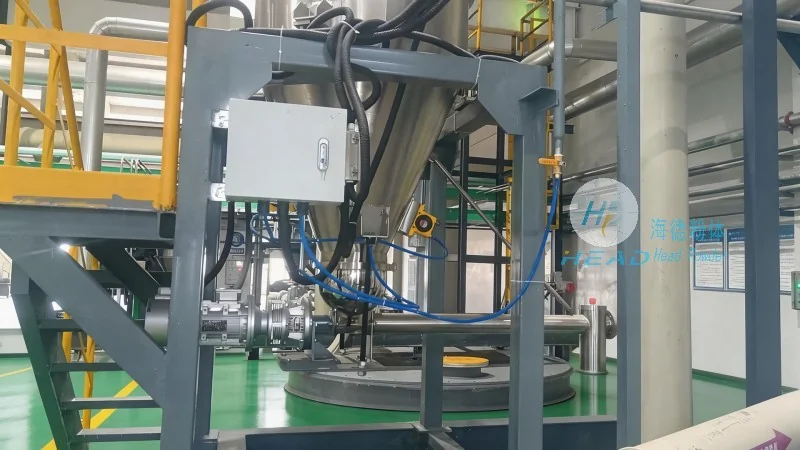
The advantages of screw conveyors include their simplicity, low cost, and ability to handle a wide range of materials. They are also relatively easy to install and maintain, making them a popular choice for small to medium-sized operations. However, screw conveyors have limitations when dealing with very fine or cohesive powders, as the material may stick to the screw or the tube walls, causing blockages and reduced throughput.
3. Belt Conveyors
Belt conveyors are widely used in various industries for material handling, including the transport of calcium carbide powder. These systems use a continuous belt that moves the material along a path, often in combination with idlers and pulleys to guide the belt and maintain tension.
Belt conveyors offer high capacity and can transport materials over long distances with minimal maintenance. They are also suitable for handling larger particle sizes and bulk materials. However, belt conveyors may not be ideal for very fine powders, as the material can easily fall through the belt or cause wear and tear on the belt surface. Additionally, they require regular inspection and replacement of the belt to prevent material spillage and ensure safety.
4. Hydraulic Conveying
Hydraulic conveying systems use a liquid medium, typically water or a mixture of water and additives, to transport calcium carbide powder. The powder is suspended in the liquid and pumped through a pipeline, similar to pneumatic systems but using hydraulic pressure instead of air.
Hydraulic conveying offers advantages such as the ability to handle very fine powders and abrasive materials, as the liquid acts as a lubricant and reduces wear on the system components. It also provides a more consistent flow rate compared to pneumatic systems. However, hydraulic systems require more complex equipment, including pumps and filters, which can increase initial investment and maintenance costs. Additionally, the liquid medium may need to be treated and recycled to prevent contamination and environmental issues.
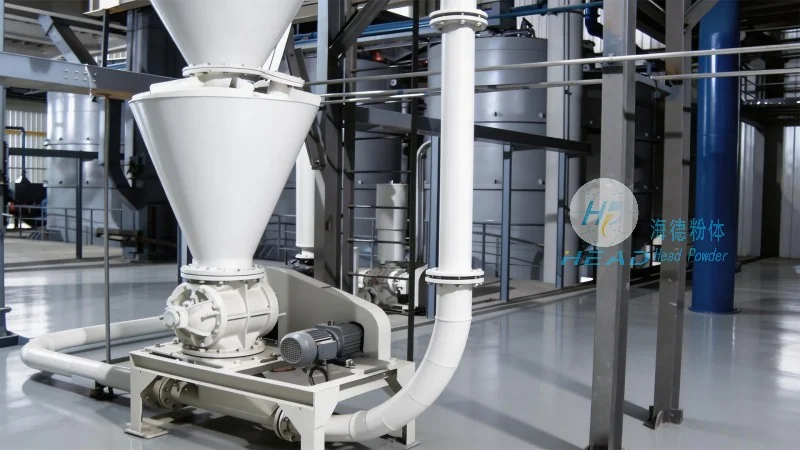
5. Gravity Conveying
Gravity conveying, or chute systems, rely on the natural force of gravity to move calcium carbide powder from one location to another. These systems typically consist of inclined chutes or hoppers that allow the material to flow downward under the influence of gravity.
The primary advantage of gravity conveying is its low cost and simplicity, as it does not require any mechanical or pneumatic components. It is also environmentally friendly, as it does not consume energy or generate emissions. However, gravity systems are limited by the need for a suitable slope and the availability of space. They are not suitable for long distances or vertical lifts, as the material may not flow efficiently without sufficient inclination. Additionally, they may not be effective for very fine or cohesive powders, as the material may stick to the chute walls and cause blockages.
Choosing the Right Conveying Method for Calcium Carbide Powder
When selecting a conveying method for calcium carbide powder, several factors must be considered, including the material's properties, the required conveying distance, the desired capacity, and the available budget. Shandong HeadPowder Engineering Co., Ltd. offers customized solutions based on these factors, ensuring optimal performance and safety for each application.
For example, if a facility requires long-distance transport of fine powder with minimal material contact, a pneumatic conveying system may be the best choice. If the operation involves bulk handling and low maintenance requirements, a screw conveyor could be more suitable. For applications where cost and simplicity are prioritized, gravity conveying may be an effective solution. Each method has its strengths and weaknesses, and the final decision should be based on a thorough analysis of the specific needs and constraints of the project.
Conclusion
Choosing the right calcium carbide powder conveying method is critical for maintaining operational efficiency and safety in industrial processes. By understanding the advantages and disadvantages of each method, businesses can select the most appropriate solution for their needs. Shandong HeadPowder Engineering Co., Ltd. provides expert guidance and customized solutions to help clients optimize their material handling processes and achieve their production goals. Whether it's pneumatic, screw, belt, hydraulic, or gravity conveying, the right choice can significantly impact the overall performance and cost-effectiveness of the operation.

 Công ty TNHH Kỹ thuật Công trình Bột Hải Đức Sơn Đông
 156-6277-7102(Quản lý Trương)
  0531-83386006
  Quận Chương Khâu, Thành phố Tế Nam, Tỉnh Sơn Đông, Trung Quốc
Điện thoại
WeChatTư vấn
Lên đầu