Công ty Hải Đức Bột với hơn 10 năm kinh nghiệm vận chuyển khí, cung cấp hệ thống‑thiết bị‑quạt gió và nhận dự án tổng thầu bột cả nước
When it comes to efficiently handling and transporting pepper powder in industrial settings, selecting the right conveying method is crucial. The choice of conveying system directly impacts operational efficiency, product quality, and overall cost-effectiveness. Shandong HeadPowder Engineering Co., Ltd., a leading manufacturer in the field, specializes in providing tailored solutions for various powder handling needs. This article explores common pepper powder conveying methods, evaluating their advantages and disadvantages to help industries make informed decisions.
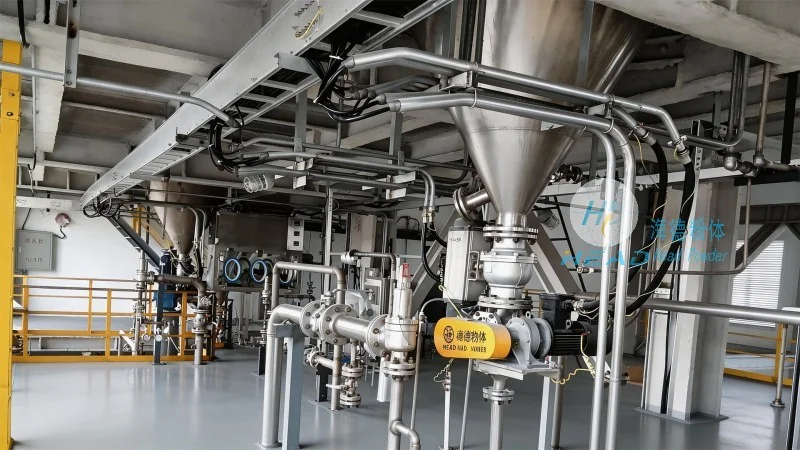
1. Gravity Conveying Systems
Gravity conveying systems utilize the natural force of gravity to move pepper powder from one point to another. These systems typically consist of inclined chutes or hoppers that allow the powder to flow downwards under the influence of gravity. A key advantage of gravity conveying is its simplicity and low energy consumption, as it does not require external power sources for operation. This makes it an economical choice for short-distance transfers where the powder can be guided by gravity without the need for additional equipment. However, the effectiveness of gravity conveying is highly dependent on the angle of the chute and the physical properties of the pepper powder, such as its density and flowability. If the powder is too fine or has poor flow characteristics, it may lead to bridging or blockages, reducing the system's efficiency. Additionally, gravity conveying is limited to relatively short distances and may not be suitable for vertical or horizontal transfers over long distances. The system also requires careful design to ensure smooth flow and prevent product degradation from prolonged exposure to air or friction.
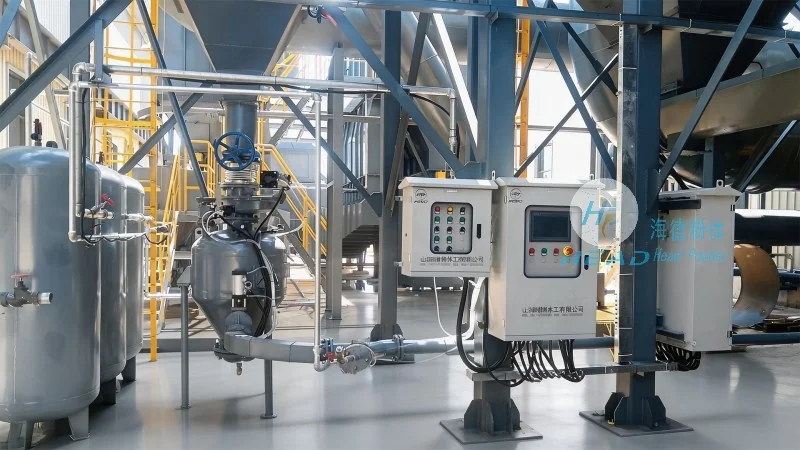
2. Pneumatic Conveying Systems
Pneumatic conveying systems use air or other gases to transport pepper powder through a pipeline. These systems can be categorized into two main types: pressure and vacuum. Pressure systems force air and powder through the pipeline using a positive pressure source, such as a blower or compressor, while vacuum systems create a negative pressure to draw the powder into the line. One of the primary advantages of pneumatic conveying is its ability to handle both fine and coarse powders, making it versatile for various pepper products. It also allows for enclosed transportation, which helps maintain product quality by protecting it from contamination, moisture, and dust. Pneumatic systems are particularly effective for long-distance and multi-level transfers, as they can move powder vertically and horizontally with ease. However, they have some significant drawbacks. The energy consumption of pneumatic systems is generally higher compared to other methods, as they require continuous air flow to maintain pressure. This can increase operational costs, especially for large-scale operations. Additionally, the system's performance can be affected by the moisture content and particle size of the pepper powder. Fine powders may cause increased friction and wear on the pipeline and components, leading to higher maintenance costs. Moreover, the design of the system must consider the potential for product degradation due to high air speeds or prolonged exposure to air, which can affect the flavor and quality of the pepper powder.
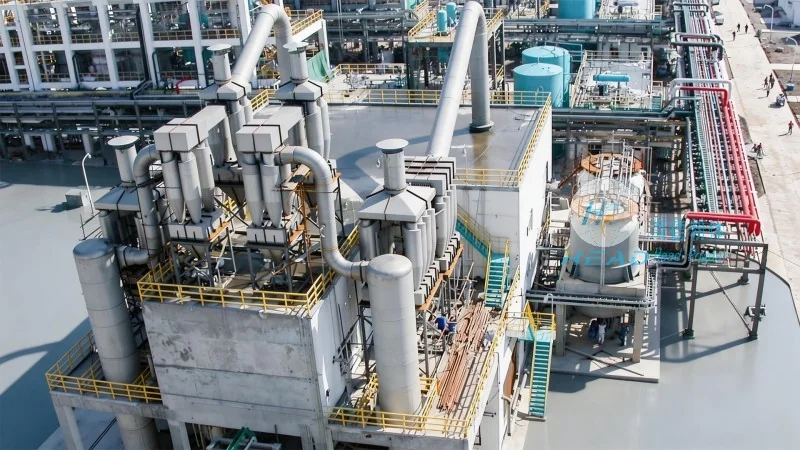
3. Mechanical Conveying Systems
Mechanical conveying systems rely on mechanical components, such as screws, belts, or buckets, to move pepper powder. Screw conveyors, also known as augers, are widely used in the industry due to their simplicity and reliability. They consist of a rotating screw inside a tube, which pushes the powder forward as it rotates. The main advantage of screw conveyors is their ability to handle a wide range of powder types, including those with high moisture content or sticky characteristics. They are also suitable for vertical and horizontal transfers and can be easily integrated into existing processing lines. However, screw conveyors have limitations. They may not be effective for very fine or cohesive powders, as these can cause the screw to stall or lead to blockages. The system also generates heat due to friction, which can affect the temperature-sensitive properties of pepper powder, potentially reducing its quality. Belt conveyors use a continuous belt to transport the powder, and they are commonly used for bulk material handling. These systems are capable of moving large quantities of powder over long distances with high efficiency. However, belt conveyors require regular maintenance to ensure the belt remains in good condition and to prevent product spillage. The system is also susceptible to product contamination if the belt material is not properly selected or maintained. Additionally, the initial cost of setting up a belt conveyor system can be higher compared to other mechanical options, making it less suitable for small-scale operations.
4. Comparison and Selection Considerations
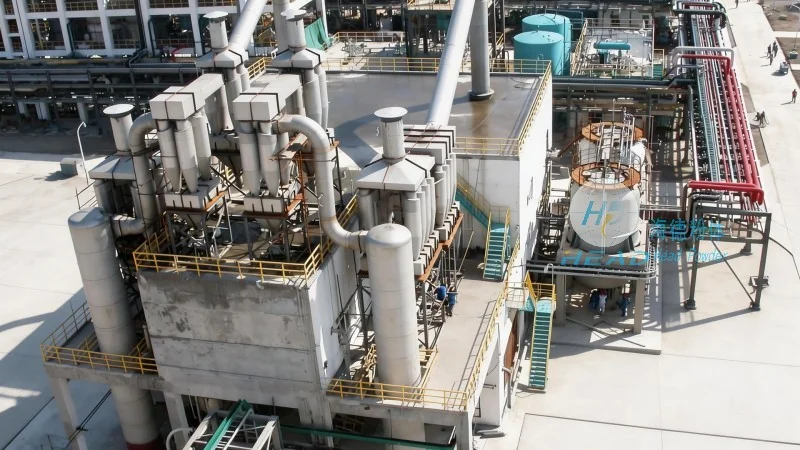
When selecting a pepper powder conveying method, several factors must be considered to ensure the best fit for a specific application. The first consideration is the distance and layout of the transfer. For short distances and simple layouts, gravity conveying may be sufficient and cost-effective. For longer distances or complex layouts involving vertical and horizontal changes, pneumatic or mechanical systems may be more appropriate. The second factor is the physical properties of the pepper powder, such as its particle size, density, and flowability. Fine or cohesive powders may require enclosed systems like pneumatic conveyors to prevent segregation and loss. The third factor is the operational cost, including energy consumption, maintenance, and initial investment. Gravity conveying has the lowest operational cost, while pneumatic systems have the highest due to energy requirements. Mechanical systems fall in between, with screw conveyors being more economical for certain applications. The fourth factor is the need for product quality preservation. Enclosed systems like pneumatic conveyors are better suited for maintaining the flavor and quality of pepper powder, especially if the product is sensitive to moisture or air exposure. Shandong HeadPowder Engineering Co., Ltd. offers a range of conveying solutions tailored to these considerations, providing customized systems that optimize efficiency and product quality for different industrial needs.

 Công ty TNHH Kỹ thuật Công trình Bột Hải Đức Sơn Đông
 156-6277-7102(Quản lý Trương)
  0531-83386006
  Quận Chương Khâu, Thành phố Tế Nam, Tỉnh Sơn Đông, Trung Quốc
Điện thoại
WeChatTư vấn
Lên đầu