Công ty Hải Đức Bột với hơn 10 năm kinh nghiệm vận chuyển khí, cung cấp hệ thống‑thiết bị‑quạt gió và nhận dự án tổng thầu bột cả nước
For industrial operations dealing with kaolin, selecting an appropriate pneumatic conveying system is crucial for efficiency, cost-effectiveness, and operational safety. A well-designed system ensures smooth material transport from storage to processing or packaging areas, minimizing downtime and maintenance costs. This article outlines key considerations and steps for designing a reliable kaolin pneumatic conveying system, with a focus on practical implementation and long-term performance.
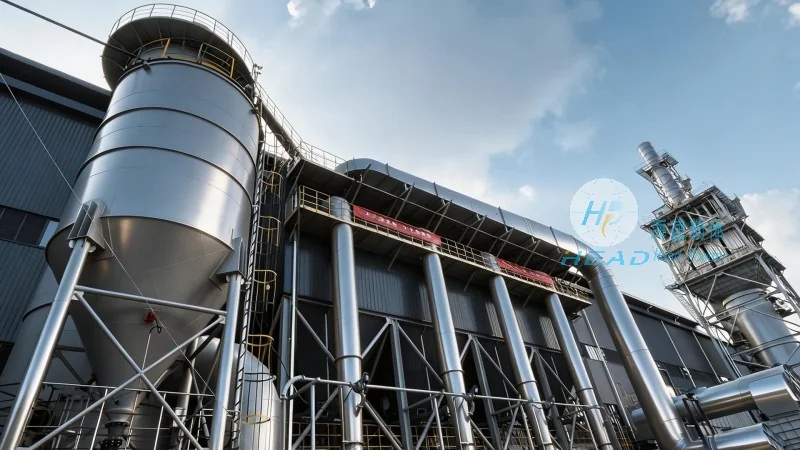
Understanding Kaolin Properties and System Requirements
Before designing a pneumatic conveying system for kaolin, it is essential to understand the material's physical and chemical characteristics. Kaolin, a soft, white clay mineral, typically has a particle size ranging from fine powders to coarse granules. Its density, moisture content, and flowability are critical factors that influence system selection. For instance, high moisture content can lead to caking or blockages, while varying particle sizes may require different equipment such as rotary valves, feeders, and airlocks. Additionally, the system must comply with local regulations regarding dust control and environmental impact, as kaolin dust can be a health hazard if not properly managed.
System Type Selection: Positive Pressure vs. Negative Pressure
The first decision in designing a kaolin pneumatic conveying system is choosing between positive pressure and negative pressure systems. Positive pressure systems, where air is forced through the material, are generally more suitable for long-distance or high-capacity transport. They offer better control over material flow and are less prone to blockages due to the continuous air flow. Conversely, negative pressure systems, which draw material into a vacuum, are ideal for short distances or when the material needs to be transported from a high to a lower elevation. The choice depends on factors like the distance between the source and destination, the required flow rate, and the layout of the facility. For most kaolin applications, positive pressure systems are preferred due to their robustness and ability to handle varying material conditions.
Key Equipment Selection and Integration
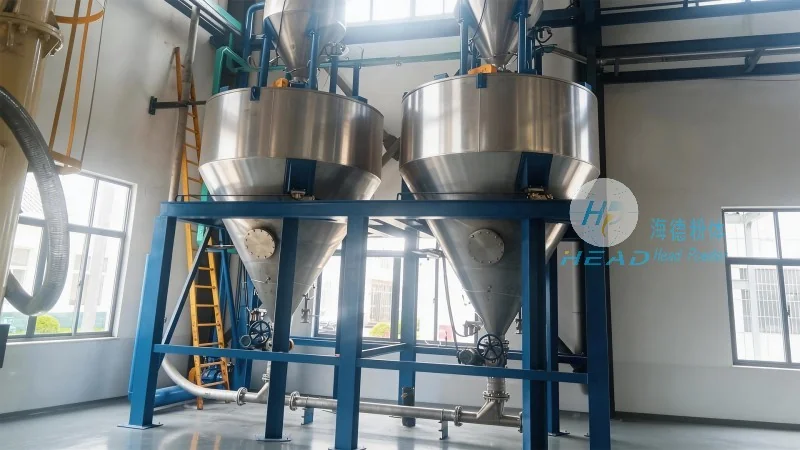
Several critical pieces of equipment are integral to a successful kaolin pneumatic conveying system. The selection of each component must align with the material's properties and the system's operational goals. The primary equipment includes:
Rotary Airlock Feeders: These devices control the flow of kaolin from storage silos or hoppers into the conveying line. They prevent backflow and maintain consistent material feed, which is vital for preventing blockages and ensuring smooth transport.
Conveying Lines: The type of pipe (e.g., metal or plastic) and diameter are chosen based on the flow rate and particle size. Metal pipes are more durable and suitable for high-pressure systems, while plastic pipes are lightweight and resistant to corrosion, making them ideal for low-pressure applications.
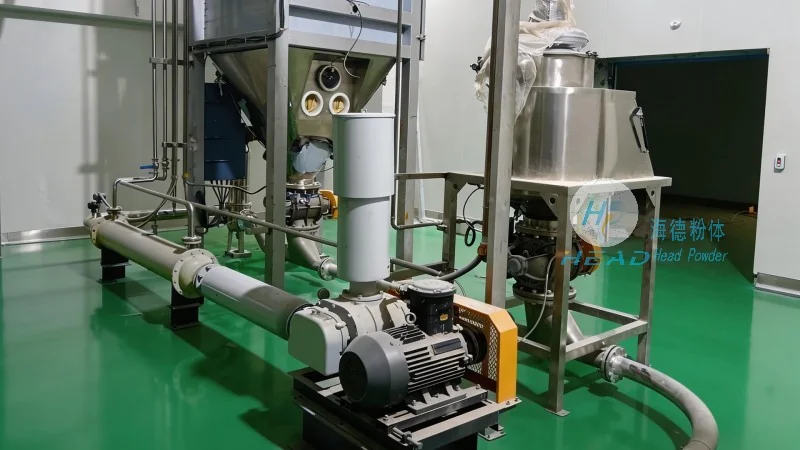
Separators and Filters: These components are essential for separating the conveyed kaolin from the air stream and removing any dust particles. Cyclone separators are commonly used for primary separation, while bag filters or cartridge filters handle fine particles to ensure compliance with environmental regulations and protect downstream equipment.
Receiver Hoppers: The final storage container where the kaolin is deposited. The design of the hopper, including its shape and size, is critical to prevent material settling or bridging, which can cause blockages and reduce system efficiency.
Design Considerations for System Efficiency and Maintenance
Efficient operation and minimal maintenance are key objectives when designing a kaolin pneumatic conveying system. Proper system sizing, based on the required flow rate and material characteristics, ensures that the equipment operates within its optimal range, reducing energy consumption and wear on components. Additionally, incorporating features such as automatic pressure monitoring and alarm systems helps in early detection of issues like blockages or pressure drops, allowing for timely maintenance and minimizing downtime.
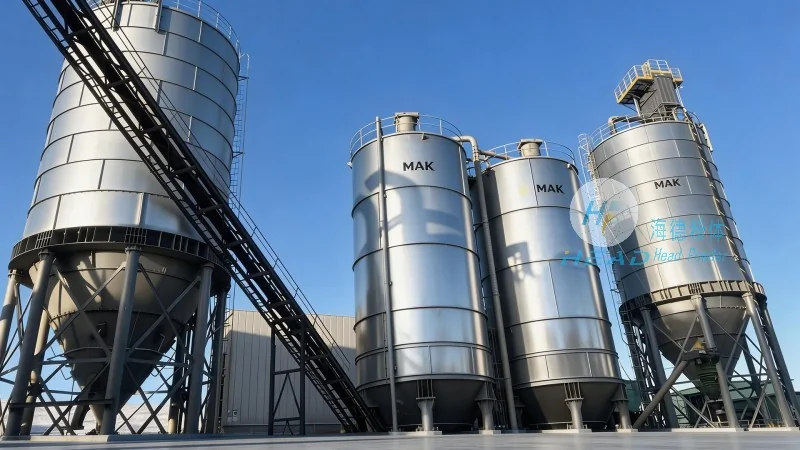
Regular maintenance is also crucial for the longevity of the system. This includes cleaning the conveying lines and filters to prevent dust accumulation, lubricating moving parts of the rotary airlock feeders and feeders, and inspecting the condition of the separators and receivers. By adhering to a regular maintenance schedule, the system's performance and lifespan can be significantly extended, ensuring consistent and reliable kaolin transport.
Case Study: Implementing a Kaolin Pneumatic Conveying System by Shandong HeadPowder Engineering Co., Ltd.
Shandong HeadPowder Engineering Co., Ltd., a leading provider of industrial conveying solutions, has successfully designed and installed numerous kaolin pneumatic conveying systems for clients across China. One such project involved a client in Shandong province, where the company was tasked with transporting fine kaolin from a storage silo to a processing plant over a distance of 200 meters. The system was designed as a positive pressure system using stainless steel pipes and equipped with high-quality rotary airlock feeders and cyclone separators.
The implementation process began with a thorough analysis of the material's properties, including particle size distribution and moisture content. Based on this analysis, the system was sized to handle a flow rate of 10 tons per hour, with a pressure of 0.6 MPa. The system was installed and commissioned by the company's technical team, who provided on-site training to the client's staff on operation and maintenance procedures.
After commissioning, the system demonstrated high efficiency and reliability, with minimal downtime and low maintenance costs. The client reported a significant reduction in labor costs associated with manual handling and improved product quality due to consistent material flow. This case study highlights the importance of proper system design and implementation in achieving optimal performance for kaolin pneumatic conveying applications.

 Công ty TNHH Kỹ thuật Công trình Bột Hải Đức Sơn Đông
 156-6277-7102(Quản lý Trương)
  0531-83386006
  Quận Chương Khâu, Thành phố Tế Nam, Tỉnh Sơn Đông, Trung Quốc
Điện thoại
WeChatTư vấn
Lên đầu