Công ty Hải Đức Bột với hơn 10 năm kinh nghiệm vận chuyển khí, cung cấp hệ thống‑thiết bị‑quạt gió và nhận dự án tổng thầu bột cả nước
When it comes to handling and transporting dust and powders in industrial settings, selecting the right method is crucial for efficiency, safety, and cost-effectiveness. Shandong HeadPowder Engineering Co., Ltd., a leading provider of dust handling solutions based in China, offers a range of technologies tailored to different operational needs. This article provides a detailed comparison of common dust transport methods, highlighting their advantages, limitations, and typical applications.
Introduction to Dust Transport Methods
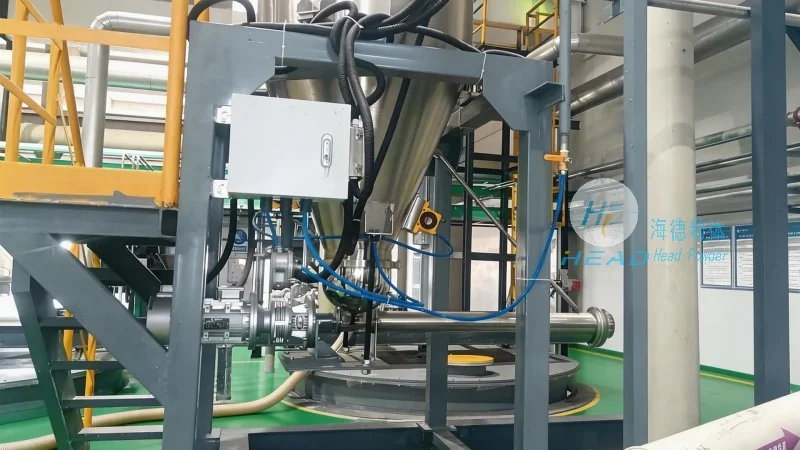
Dust transport refers to the movement of fine particulate materials from one location to another within a facility or between sites. The choice of transport method depends on factors such as material properties (e.g., particle size, moisture content, abrasiveness), required throughput, distance, and environmental regulations. Below, we explore several widely used methods and compare their key characteristics.
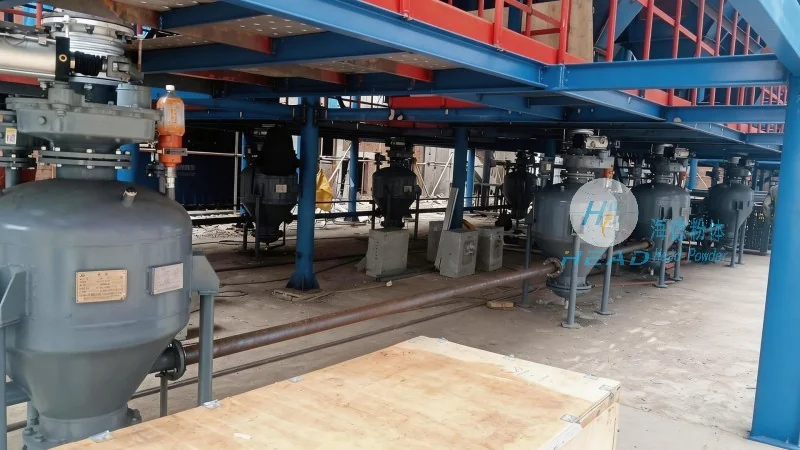
Air Conveying Systems
Air conveying, also known as pneumatic conveying, uses compressed air to transport dry powders and dust through a pipeline. This method is particularly effective for materials that are free-flowing and non-abrasive. There are two main types: pressure and vacuum systems. Pressure systems push material through the pipeline using positive pressure, while vacuum systems draw material in using negative pressure. The choice between these depends on the distance and material characteristics. For example, pressure systems are often used for short to medium distances, while vacuum systems are suitable for longer distances or when the material is light and requires gentle handling. Air conveying offers advantages such as continuous operation, minimal maintenance, and the ability to transport materials in a closed system, reducing dust emissions and improving workplace safety. However, it may not be suitable for highly abrasive or sticky materials, as this can lead to increased wear on components and reduced system efficiency.
Screw Conveyors
Screw conveyors, also known as auger conveyors, use a rotating screw (auger) to move materials along a trough. This method is suitable for a wide range of materials, including dry powders, granules, and even some sticky substances. Screw conveyors are relatively simple in design, making them easy to install and maintain. They are often used for horizontal or slight incline transport, and can handle materials with varying particle sizes. The main advantage of screw conveyors is their ability to handle a broad spectrum of materials without the need for additional components like pumps or compressors. However, they may not be ideal for very fine or cohesive powders, as these can cause blockages or excessive wear on the screw and trough. Additionally, screw conveyors are generally less efficient for long-distance transport compared to air conveying, as the material moves slowly and requires more power to overcome friction.
Pneumatic Conveying vs. Mechanical Conveying
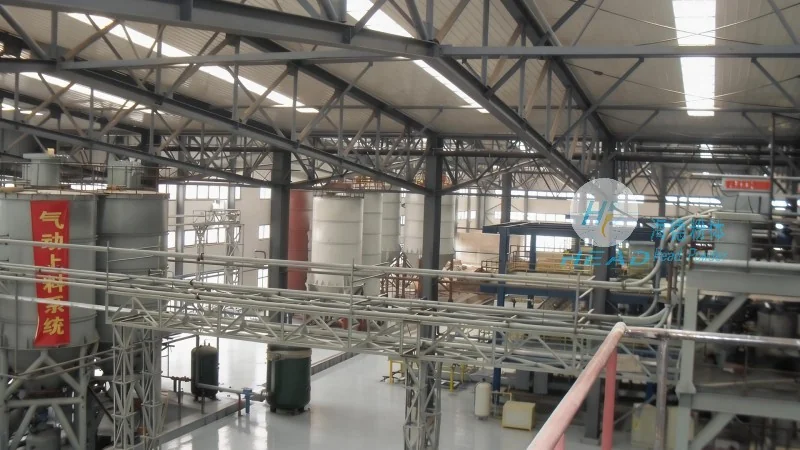
When comparing air conveying (pneumatic) and mechanical conveying (like screw conveyors), several factors come into play. Pneumatic systems excel in applications requiring high throughput and long-distance transport, especially for non-abrasive materials. They are also better at handling materials that are prone to segregation or require gentle handling to avoid degradation. On the other hand, mechanical conveyors like screw conveyors are more cost-effective for short distances and for materials that are abrasive or sticky. They are simpler to operate and maintain, with fewer moving parts that can fail. The choice between the two often depends on the specific requirements of the process, including material properties, distance, and budget constraints. Shandong HeadPowder Engineering Co., Ltd. specializes in designing and manufacturing custom dust transport systems that integrate these technologies to meet the unique needs of each client.
Factors Influencing the Selection of a Dust Transport Method
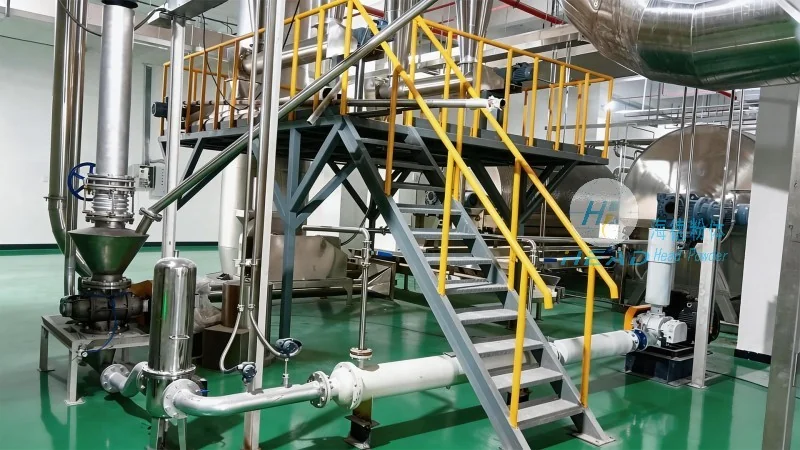
Several key factors influence the selection of an appropriate dust transport method. Material properties, such as particle size, density, and moisture content, are critical. For instance, very fine powders may require air conveying to prevent clogging, while larger granules can be handled by screw conveyors. The distance over which the material needs to be transported is another important consideration. Short distances may be suitable for screw conveyors, while longer distances often necessitate pneumatic systems. Additionally, the required throughput and operational speed play a role. Some processes demand high-volume transport, which air conveying can accommodate more easily than mechanical systems. Environmental and safety regulations also impact the choice, as closed systems like air conveying help minimize dust emissions and protect workers. The cost of installation, maintenance, and energy consumption are practical considerations that must be weighed against the benefits of each method.
Conclusion
In conclusion, the selection of a dust transport method is a critical decision in industrial operations. Air conveying and screw conveyors are two of the most common options, each with distinct advantages and limitations. Shandong HeadPowder Engineering Co., Ltd. leverages expertise in both technologies to provide tailored solutions that optimize efficiency, safety, and cost-effectiveness for their clients. By understanding the specific requirements of the material and the operational context, businesses can choose the most suitable dust transport method to enhance their processes and ensure compliance with industry standards.

 Công ty TNHH Kỹ thuật Công trình Bột Hải Đức Sơn Đông
 156-6277-7102(Quản lý Trương)
  0531-83386006
  Quận Chương Khâu, Thành phố Tế Nam, Tỉnh Sơn Đông, Trung Quốc
Điện thoại
WeChatTư vấn
Lên đầu