Công ty Hải Đức Bột với hơn 10 năm kinh nghiệm vận chuyển khí, cung cấp hệ thống‑thiết bị‑quạt gió và nhận dự án tổng thầu bột cả nước
When it comes to transporting lime in industrial applications, selecting the right method is crucial for efficiency, cost-effectiveness, and operational safety. This article provides a detailed comparison of common lime transport methods, focusing on their advantages, limitations, and suitability for different industrial settings. The information is presented by Shandong HeadPowder Engineering Co., Ltd., a leading provider of specialized industrial equipment based in China.
Introduction to Lime Transport Methods
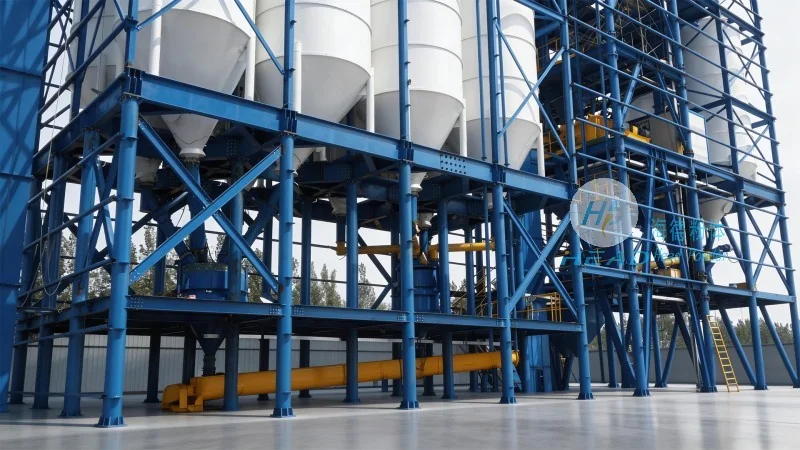
Lime, a versatile chemical widely used in industries such as water treatment, flue gas desulfurization, and chemical manufacturing, requires reliable transport solutions to ensure consistent supply and process efficiency. The choice of transport method depends on factors like the material's properties, distance, volume, and the specific requirements of the end application. Below, we explore several common lime transport methods, analyzing their characteristics and practical applications.
Pipeline Transport for Lime
Pipeline transport is a popular method for moving lime, especially in large-scale industrial facilities where a continuous flow is needed. This method involves pumping lime slurry or dry lime powder through a network of pipes. For slurry transport, headpowder specializes in high-capacity pipelines equipped with specialized pumps and valves to handle the abrasive nature of lime. The system typically includes a storage tank, a feeding mechanism, and a pumping unit that ensures the lime moves smoothly through the pipeline. One of the key advantages of pipeline transport is its ability to maintain a consistent flow rate, which is essential for processes that require a steady supply of lime. However, it may require significant infrastructure investment and regular maintenance to prevent clogging or wear from the abrasive material.
Belt Conveyor Transport
Belt conveyors are another widely used method for transporting bulk lime, particularly in mining and processing plants. This system uses a continuous belt to move lime from one location to another, often over long distances. Headpowder offers customized belt conveyor solutions designed to handle the weight and volume of lime efficiently. The conveyors are equipped with robust components, such as heavy-duty rollers and durable belts, to withstand the abrasive and heavy nature of the material. Belt conveyors are particularly effective for horizontal or slightly inclined transport, making them suitable for transporting lime from storage silos to processing units. They offer high throughput and can be integrated with other equipment like feeders and screens. A major benefit is their ability to handle large volumes with minimal labor, but they may require regular belt replacement and maintenance to ensure optimal performance.
Airborne (Pneumatic) Transport
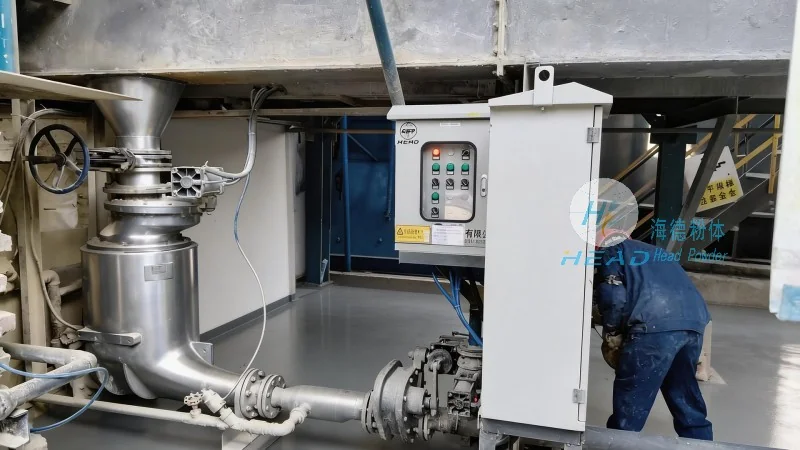
Airborne or pneumatic transport is a method that uses air pressure to move lime through a pipeline. This technique is ideal for transporting dry lime powder over medium to long distances. Headpowder's pneumatic transport systems are designed to handle fine lime powders, ensuring minimal dust generation and efficient transport. The system typically includes a blower, a hopper for storing the lime, and a pipeline network. The lime is drawn into the pipeline by the air flow, which carries it to the destination. This method is particularly useful for applications where dust control is critical, as the enclosed system prevents dust from escaping into the environment. However, it requires careful control of air pressure and flow to avoid material degradation or blockages. Additionally, the energy consumption for air compression can be higher compared to other methods.
Comparison of Methods: Key Factors to Consider
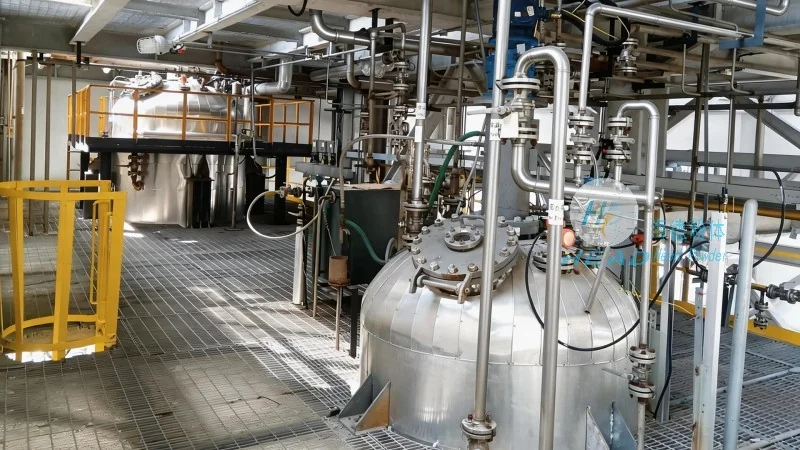
When choosing a lime transport method, several factors must be evaluated to determine the most suitable option. The following table summarizes the key characteristics of pipeline, belt conveyor, and pneumatic transport methods:
Transport Method
Advantages
Limitations
Best Suited For
Pipeline Transport
Continuous flow, low labor, suitable for slurry
High initial cost, maintenance needs, limited to horizontal transport
Large-scale industrial plants, water treatment facilities
Belt Conveyor
High capacity, low energy use, easy integration
Requires space, belt wear, limited to horizontal incline
Mining, processing plants, bulk handling
Pneumatic Transport
Dust control, enclosed system, flexible routing
Higher energy cost, material degradation risk, limited to dry powder
Chemical plants, flue gas desulfurization units
From the comparison, it is clear that each method has its strengths and weaknesses. Pipeline transport excels in continuous, large-scale operations, while belt conveyors are ideal for bulk handling with minimal labor. Pneumatic transport offers advantages in dust control and flexibility, making it suitable for applications where environmental considerations are paramount. The choice ultimately depends on the specific needs of the industrial process, including the type of lime (dry or slurry), the distance to be covered, and the available budget for infrastructure and maintenance.
Conclusion and Recommendations
Choosing the right lime transport method is a critical decision that impacts the overall efficiency and cost of industrial operations. Shandong HeadPowder Engineering Co., Ltd. provides comprehensive solutions tailored to the unique requirements of each client. Whether you need pipeline systems for slurry transport, belt conveyors for bulk handling, or pneumatic systems for dust control, our expertise ensures that the selected method meets your operational needs while adhering to safety and environmental standards. By carefully evaluating the factors discussed in this article, industrial facilities can select the most appropriate lime transport method, optimizing their processes and ensuring long-term reliability.

 Công ty TNHH Kỹ thuật Công trình Bột Hải Đức Sơn Đông
 156-6277-7102(Quản lý Trương)
  0531-83386006
  Quận Chương Khâu, Thành phố Tế Nam, Tỉnh Sơn Đông, Trung Quốc
Điện thoại
WeChatTư vấn
Lên đầu