Công ty Hải Đức Bột với hơn 10 năm kinh nghiệm vận chuyển khí, cung cấp hệ thống‑thiết bị‑quạt gió và nhận dự án tổng thầu bột cả nước
When it comes to the efficient and effective delivery of nanomaterials in lithium-ion battery production, several methods are commonly employed. These approaches are crucial for ensuring the optimal performance and safety of the final battery products. The choice of delivery method often depends on the specific nanomaterial being used, the scale of production, and the desired characteristics of the final battery components.
Key Considerations for Nanomaterial Delivery in Lithium-Ion Batteries
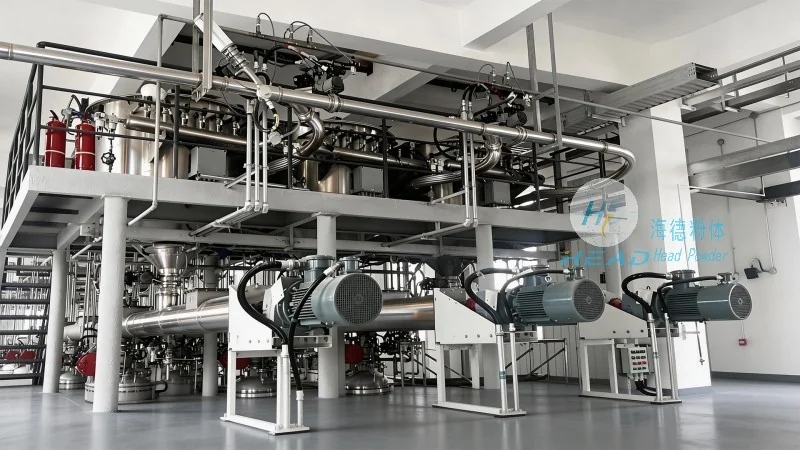
Before delving into the specific delivery methods, it is essential to understand the key factors that influence the selection process. The purity and particle size distribution of the nanomaterial are critical, as they directly impact the battery's energy density and cycle life. Additionally, the compatibility of the delivery method with the battery manufacturing process, such as coating or electrode formation, must be considered. Environmental and safety regulations also play a role, particularly when handling materials that may be hazardous or require controlled conditions.
Common Delivery Methods for Lithium-Ion Battery Nanomaterials
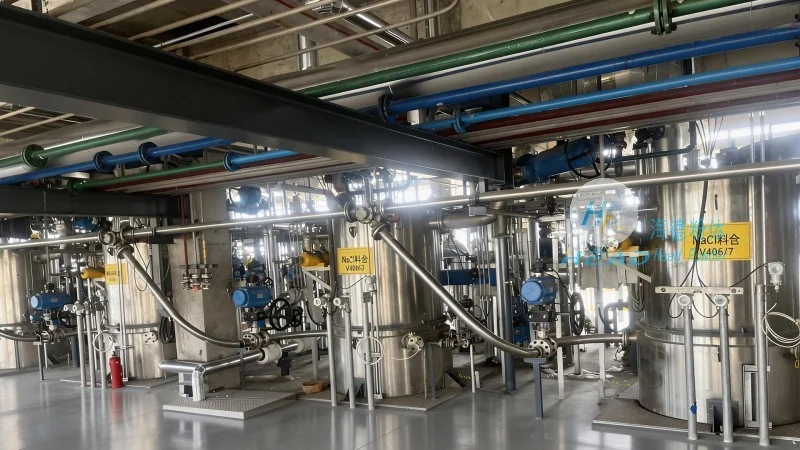
One of the most prevalent methods is the use of solution-based delivery systems. This approach involves dissolving the nanomaterial in a suitable solvent, such as water or organic solvents, and then applying the solution to the battery components. This method is particularly effective for materials that are difficult to disperse in dry form, like certain conductive or active materials. The solution can be sprayed, coated, or dip-coated onto electrodes or other battery parts, ensuring a uniform distribution of the nanomaterial. For instance, in the production of cathode materials, a solution containing lithium cobalt oxide (LCO) or lithium nickel manganese cobalt oxide (NMC) nanomaterials can be applied to the cathode sheets, enhancing their conductivity and electrochemical performance.
Another widely used method is the dry powder delivery technique. This involves handling the nanomaterial as a dry powder and then dispersing it onto the battery components through methods like mixing, spraying, or electrostatic deposition. Dry powder delivery is often preferred for materials that are sensitive to moisture or solvents, as it minimizes the risk of degradation. The powder can be mixed with binders and other additives to form a slurry, which is then applied to the electrodes. This method is commonly used for conductive additives like carbon black or graphene, which are essential for improving the electrical conductivity of the electrodes.
Advanced Techniques: Aerosol and Spray-Drying Delivery
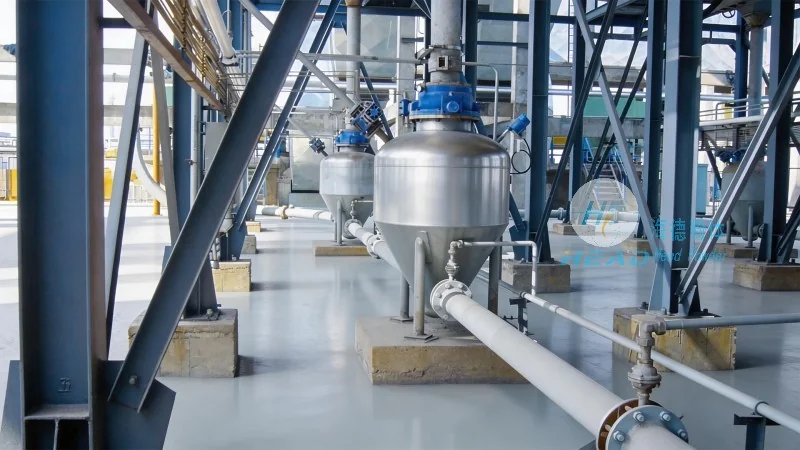
For more specialized applications, advanced techniques such as aerosolization and spray-drying are employed. Aerosol delivery involves converting the nanomaterial into a fine mist or aerosol, which can then be deposited onto the battery components with high precision. This method is beneficial for creating uniform coatings with sub-micron thicknesses, which is crucial for achieving high energy density in modern lithium-ion batteries. Spray-drying, on the other hand, is used to produce dry nanomaterial powders from aqueous solutions, allowing for the preservation of the material's properties while reducing the moisture content. This technique is particularly useful for materials that are prone to agglomeration or degradation in the presence of water.
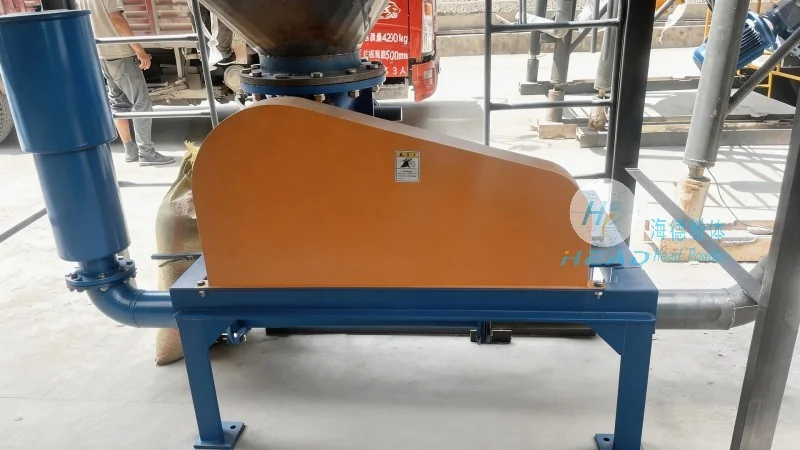
Company Overview: Shandong HeadPowder Engineering Co., Ltd.
Shandong HeadPowder Engineering Co., Ltd., commonly known as HeadPowder, is a leading manufacturer specializing in the production and delivery of high-quality nanomaterials for lithium-ion battery applications. Based in Shandong, China, the company focuses on providing tailored solutions for the battery industry, ensuring that their nanomaterials meet the stringent requirements of modern battery manufacturing. HeadPowder's expertise lies in developing and delivering nanomaterials through various methods, including solution-based and dry powder processes, to enhance the performance and efficiency of lithium-ion batteries.
Conclusion: The Importance of Effective Nanomaterial Delivery
In conclusion, the delivery method for lithium-ion battery nanomaterials is a critical aspect of battery production, directly influencing the final product's performance and safety. Whether through solution-based, dry powder, or advanced aerosol/spray-drying techniques, the goal is to achieve uniform and consistent distribution of the nanomaterials. Companies like Shandong HeadPowder Engineering Co., Ltd. play a vital role in providing these specialized materials and delivery solutions, contributing to the advancement of lithium-ion battery technology and its widespread adoption in various applications.

 Công ty TNHH Kỹ thuật Công trình Bột Hải Đức Sơn Đông
 156-6277-7102(Quản lý Trương)
  0531-83386006
  Quận Chương Khâu, Thành phố Tế Nam, Tỉnh Sơn Đông, Trung Quốc
Điện thoại
WeChatTư vấn
Lên đầu