Công ty Hải Đức Bột với hơn 10 năm kinh nghiệm vận chuyển khí, cung cấp hệ thống‑thiết bị‑quạt gió và nhận dự án tổng thầu bột cả nước
When it comes to the transportation of polyvinylidene fluoride (PVDF), a versatile and chemically resistant polymer, selecting the right method is crucial for ensuring efficiency, safety, and product integrity. PVDF is widely used in industries such as chemical processing, pharmaceuticals, and aerospace due to its exceptional resistance to chemicals, high temperature stability, and mechanical strength. However, its unique properties also require specialized handling and transportation techniques to maintain its quality and prevent degradation. This article explores the various methods available for transporting PVDF, highlighting the considerations and best practices for each approach.
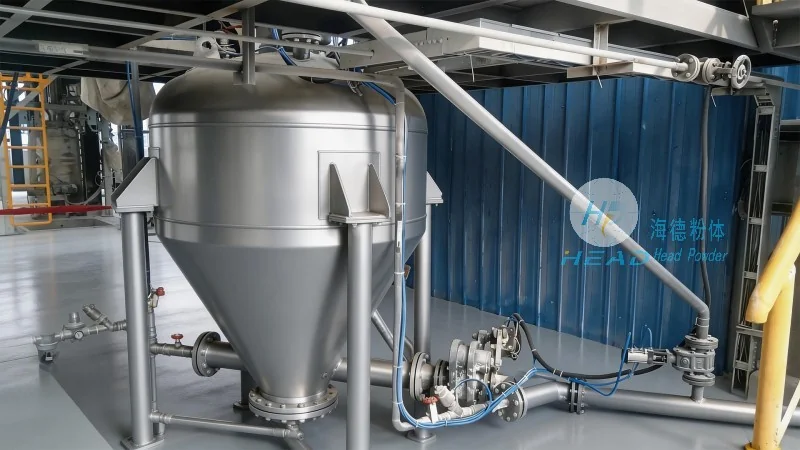
Understanding PVDF and Its Transportation Requirements
Polyvinylidene fluoride, commonly known as PVDF, is a fluoropolymer known for its excellent chemical resistance, thermal stability, and mechanical properties. It is often used in applications where exposure to aggressive chemicals or high temperatures is expected, such as in the manufacturing of corrosion-resistant components, filtration systems, and electrical insulation. Because of its non-porous nature and resistance to solvents, PVDF is challenging to transport in certain forms, particularly in powder or granular states. Proper handling and transportation methods are essential to prevent contamination, moisture absorption, and degradation of the material. The choice of transportation method depends on the form of PVDF (e.g., pellets, powder, or liquid), the volume to be transported, and the distance involved.
Common Transportation Methods for PVDF
Several methods are commonly employed for transporting polyvinylidene fluoride, each suited to different scenarios and material forms. The primary approaches include bulk handling via pipelines, pump systems, and specialized equipment, as well as smaller-scale methods for handling powders or granules.
Pipeline Transportation
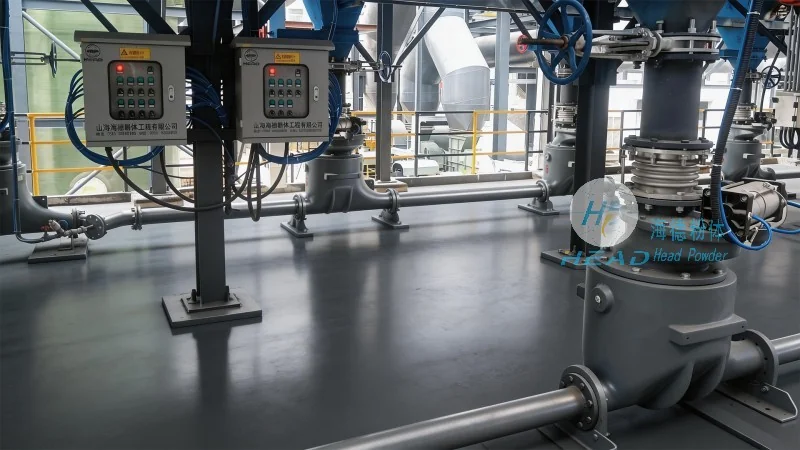
For large-scale industrial applications, pipeline transportation is a highly efficient method for moving PVDF in its liquid or slurry form. This approach is particularly suitable when the material is processed into a liquid or semi-liquid state, such as in the production of PVDF-based coatings or adhesives. The pipeline system typically consists of stainless steel or PTFE-lined pipes to prevent corrosion and ensure the purity of the PVDF. The liquid PVDF is pumped through the pipeline using specialized pumps, such as centrifugal or positive displacement pumps, which are designed to handle the high viscosity and chemical resistance of the material. This method minimizes the risk of contamination and allows for continuous, automated production lines, enhancing overall operational efficiency. The pipeline system can be integrated with temperature control and pressure monitoring to maintain the optimal conditions for PVDF during transportation.
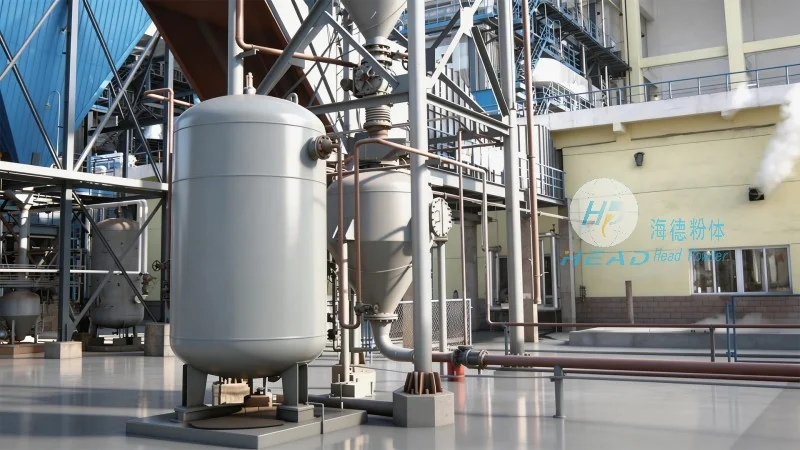
Pump Systems for PVDF Handling
When transporting PVDF in its solid form, such as pellets or granules, pump systems are often used to move the material through storage silos, hoppers, and processing equipment. The most common types of pumps for PVDF include rotary lobe pumps, screw pumps, and pneumatic conveying systems. Rotary lobe pumps are ideal for handling dry PVDF pellets due to their ability to move solids without causing excessive friction or heat generation. Screw pumps, also known as auger pumps, are effective for transporting granular materials and can maintain a consistent flow rate, which is crucial for maintaining product quality. Pneumatic conveying systems use compressed air to transport PVDF powder or fine particles through a pipeline. This method is particularly useful for handling small volumes or for transporting PVDF over short distances, as it reduces the risk of dust exposure and contamination. The choice of pump system depends on factors such as the material's moisture content, particle size, and the required flow rate.
Specialized Equipment for Bulk Handling
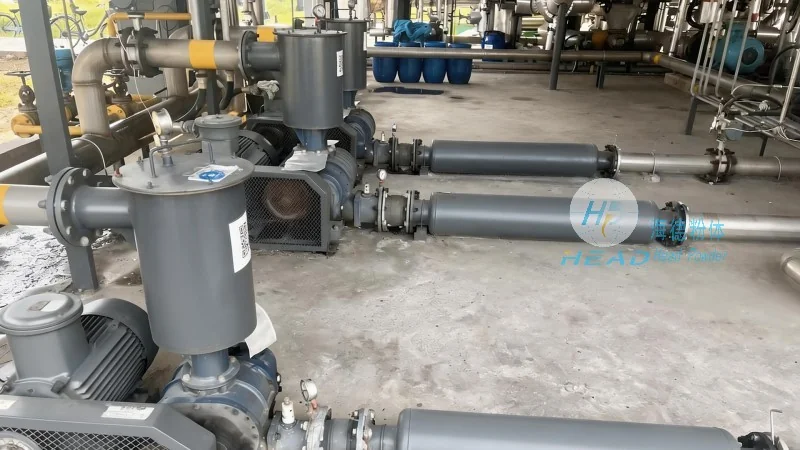
In addition to pipelines and pump systems, specialized equipment is available for bulk handling of PVDF, especially in large-scale industrial settings. These include bulk containers, such as tank trucks or railcars, which are designed to transport liquid PVDF. The containers are typically made of stainless steel or PTFE to prevent corrosion and maintain the purity of the material. For solid PVDF, bulk bags or super sacks are used, which are filled under controlled conditions to minimize moisture absorption and contamination. These bags are often equipped with discharge spouts that allow for easy and controlled release of the material into processing equipment. The use of specialized equipment ensures that PVDF is transported safely and efficiently, while minimizing the risk of product degradation.
Handling and Storage Considerations
Regardless of the transportation method used, proper handling and storage are critical to maintaining the quality of PVDF. PVDF is sensitive to moisture and can absorb water, which may affect its properties and performance. Therefore, all transportation equipment, including pipelines, pumps, and containers, should be kept dry and free from contaminants. Regular cleaning and maintenance of the equipment are essential to prevent the buildup of residues that could degrade the PVDF. Additionally, temperature control is important, as PVDF can degrade at high temperatures or become brittle at low temperatures. The transportation process should be monitored closely to ensure that the material remains within its optimal temperature range throughout the journey.
Conclusion
Transporting polyvinylidene fluoride (PVDF) requires careful consideration of the material's properties and the specific requirements of the application. Whether using pipeline systems, pump technology, or specialized bulk handling equipment, the goal is to maintain the integrity and quality of the PVDF while ensuring efficient and safe transportation. By selecting the appropriate method and following best practices for handling and storage, industries can effectively utilize PVDF in their processes, leveraging its unique advantages for a wide range of applications.

 Công ty TNHH Kỹ thuật Công trình Bột Hải Đức Sơn Đông
 156-6277-7102(Quản lý Trương)
  0531-83386006
  Quận Chương Khâu, Thành phố Tế Nam, Tỉnh Sơn Đông, Trung Quốc
Điện thoại
WeChatTư vấn
Lên đầu