Công ty Hải Đức Bột với hơn 10 năm kinh nghiệm vận chuyển khí, cung cấp hệ thống‑thiết bị‑quạt gió và nhận dự án tổng thầu bột cả nước
Effective and reliable transportation of dry desulfurization agents is crucial for maintaining the efficiency and performance of flue gas desulfurization systems in industrial applications. As a leading provider in the field, Shandong HeadPowder Engineering Co., Ltd., based in Shandong, China, offers comprehensive solutions tailored to meet diverse operational needs. This article explores the various methods available for transporting dry desulfurization agents, ensuring optimal delivery and integration into industrial processes.
Overview of Dry Desulfurization Agents and Their Transportation Requirements
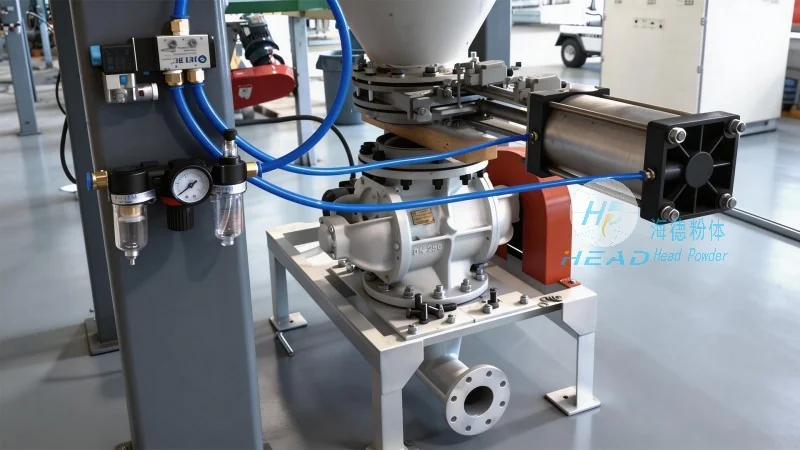
Dry desulfurization agents, such as calcium-based sorbents, are widely used in power plants and other industrial facilities to remove sulfur dioxide (SO₂) from flue gases. These agents are typically in powder or granular form, requiring specialized handling and transportation methods to prevent degradation, contamination, and loss of effectiveness. The choice of transportation method depends on factors including the agent's physical properties, the distance to be transported, the scale of operation, and the specific requirements of the desulfurization system. Proper transportation ensures that the desulfurization agents remain in optimal condition, maximizing their reactivity and lifespan within the system.
Key Considerations for Selecting a Transportation Method
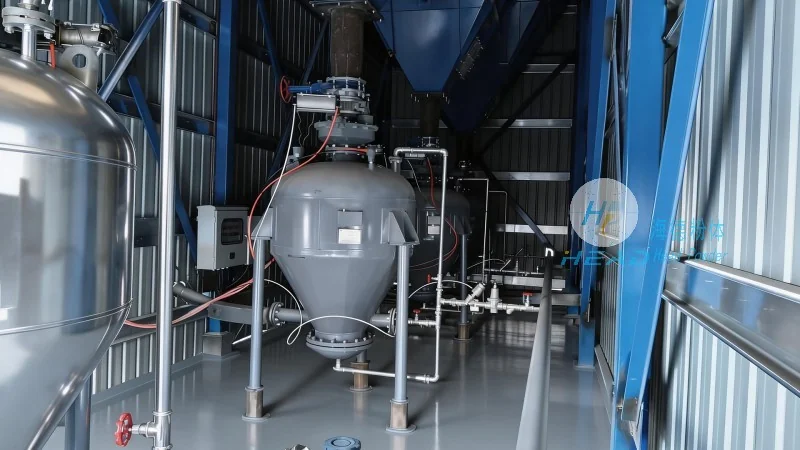
When selecting a transportation method for dry desulfurization agents, several key considerations must be taken into account. First, the physical characteristics of the agent, such as particle size, moisture content, and flowability, influence the suitability of different transport systems. For example, agents with high moisture content may require enclosed systems to prevent caking or degradation during transport. Second, the distance and infrastructure availability play a critical role. Short-distance transport within a facility may utilize pneumatic conveying systems, while long-distance transport may involve bulk transport via trucks or rail. Third, the scale of operation and the required throughput also impact the choice of method. Large-scale industrial plants may opt for continuous bulk transport systems, whereas smaller installations might use smaller, more flexible delivery methods. Additionally, regulatory and safety requirements, including environmental compliance and handling of hazardous materials, must be considered to ensure the selected method adheres to industry standards and local regulations.
Common Methods for Dry Desulfurization Agent Transportation
Several methods are commonly employed for the transportation of dry desulfurization agents, each with its own advantages and applications. The primary methods include:
Pneumatic Conveying Systems
Pneumatic conveying is a widely used method for transporting dry desulfurization agents, especially for short to medium distances within industrial facilities. This system uses compressed air to move the powder through a pipeline, ensuring a continuous and controlled flow. Pneumatic conveyors can be categorized into two main types: pressure and vacuum systems. Pressure systems use positive pressure to push the material through the pipeline, while vacuum systems use negative pressure to draw the material. The choice between these systems depends on the distance, the amount of material to be transported, and the need for dust control. Pneumatic conveying offers advantages such as low maintenance, the ability to transport materials over long distances, and the option to integrate with existing plant infrastructure. However, it may require higher energy consumption and careful design to prevent material degradation or blockages in the pipeline.
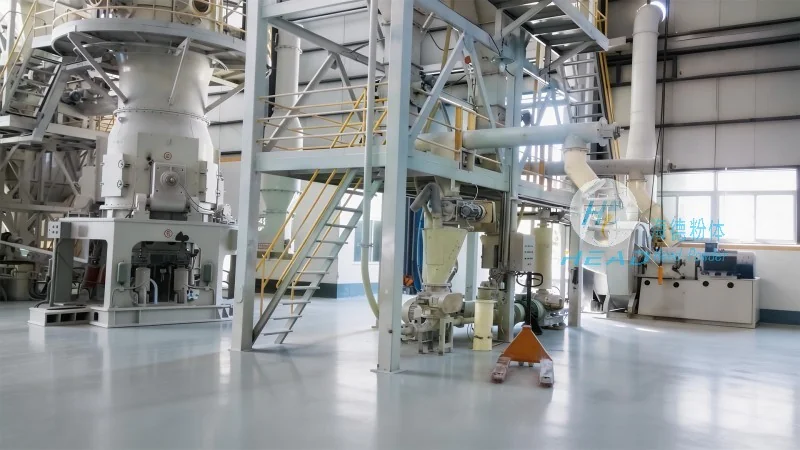
Bulk Bag (FIBC) Handling and Delivery
Bulk bag handling is another common method for transporting dry desulfurization agents, particularly for intermediate to long-distance transport between suppliers and industrial facilities. Bulk bags, or flexible intermediate bulk containers (FIBCs), are large, reusable bags designed to hold and transport bulk materials. These bags are typically filled at the manufacturer's facility and then delivered to the customer via truck or rail. Upon arrival, the bulk bag is emptied into a hopper or silo using a discharge system, such as a spout or a bottom discharge valve. This method is advantageous for its cost-effectiveness, especially for smaller quantities or when the material is to be stored on-site before use. Bulk bag handling also allows for easy monitoring of the material's condition and quantity, ensuring that the desulfurization agent is used efficiently. However, it may require additional storage space and handling equipment on-site, and the material must be handled carefully to prevent spillage or contamination.
Truck and Rail Transport
For long-distance transportation of dry desulfurization agents, truck and rail transport are commonly used. Trucks are suitable for shorter distances and can deliver the material directly to the plant site, while rail transport is more efficient for bulk quantities over longer distances. Both methods involve loading the desulfurization agents into specialized containers, such as bulk trucks or railcars, which are designed to minimize material loss and maintain the material's integrity during transit. Truck transport offers flexibility and can reach remote or hard-to-access locations, whereas rail transport is more economical for large-scale, high-volume shipments. The choice between truck and rail depends on factors such as the distance, the quantity of material, and the availability of transportation infrastructure. Proper loading and unloading procedures are essential to ensure that the material is handled safely and that the containers are not damaged during transport.
Containerized Transport
Containerized transport is another option for transporting dry desulfurization agents, especially for international or cross-regional shipments. This method involves loading the desulfurization agents into standard shipping containers, which are then transported via trucks, rail, or sea. Containerized transport offers advantages such as standardized handling, reduced risk of damage or contamination, and the ability to transport multiple types of materials in the same container. It is particularly useful for suppliers who need to deliver desulfurization agents to multiple locations or for facilities that require a consistent supply of materials. However, containerized transport may involve higher costs and longer transit times compared to other methods, and the containers must be properly sealed and secured to prevent leaks or spills during transport.
Best Practices for Ensuring Efficient and Safe Transportation
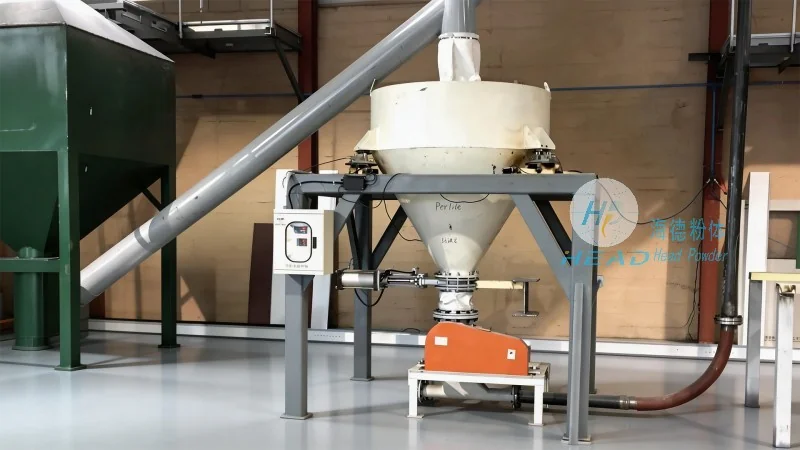
To ensure the efficient and safe transportation of dry desulfurization agents, several best practices should be followed. First, proper packaging is essential to protect the material from moisture, contamination, and physical damage. Desulfurization agents should be stored in airtight containers with moisture-resistant liners to maintain their quality. Second, regular maintenance of transportation equipment is crucial to prevent breakdowns and ensure consistent performance. This includes checking for leaks in pneumatic systems, ensuring the integrity of bulk bags and containers, and maintaining the condition of trucks and railcars. Third, training personnel on proper handling and safety procedures is vital to prevent accidents and ensure compliance with regulations. Workers should be trained on how to load, transport, and unload desulfurization agents safely, including the use of personal protective equipment (PPE) and emergency response procedures. Fourth, monitoring the condition of the material during transport is important to detect any issues early and take corrective action. This can include regular checks of moisture content, particle size distribution, and flowability to ensure that the material remains in optimal condition. Finally, adhering to industry standards and regulations is essential to ensure that the transportation process meets the required safety and environmental standards. This includes following guidelines from organizations such as the American Society of Mechanical Engineers (ASME) and the International Organization for Standardization (ISO), as well as local regulations and permits.
Conclusion
In conclusion, the transportation of dry desulfurization agents is a critical aspect of maintaining the performance and efficiency of flue gas desulfurization systems. Shandong HeadPowder Engineering Co., Ltd., with its expertise and commitment to quality, provides comprehensive solutions for the transportation of dry desulfurization agents. By understanding the various methods available and following best practices, industrial facilities can ensure that their desulfurization agents are delivered safely, efficiently, and in optimal condition. This not only maximizes the effectiveness of the desulfurization process but also contributes to the overall sustainability and compliance of industrial operations.

 Công ty TNHH Kỹ thuật Công trình Bột Hải Đức Sơn Đông
 156-6277-7102(Quản lý Trương)
  0531-83386006
  Quận Chương Khâu, Thành phố Tế Nam, Tỉnh Sơn Đông, Trung Quốc
Điện thoại
WeChatTư vấn
Lên đầu