Công ty Hải Đức Bột với hơn 10 năm kinh nghiệm vận chuyển khí, cung cấp hệ thống‑thiết bị‑quạt gió và nhận dự án tổng thầu bột cả nước
For industrial applications, the efficient and safe transportation of precipitated barium sulfate is crucial. This material, commonly used in various industries such as pharmaceuticals, coatings, and ceramics, requires specialized handling to maintain its quality and prevent contamination. Understanding the appropriate methods for transporting this substance is essential for businesses operating in these sectors. This article explores the common approaches to transporting precipitated barium sulfate, highlighting the considerations and technologies involved.
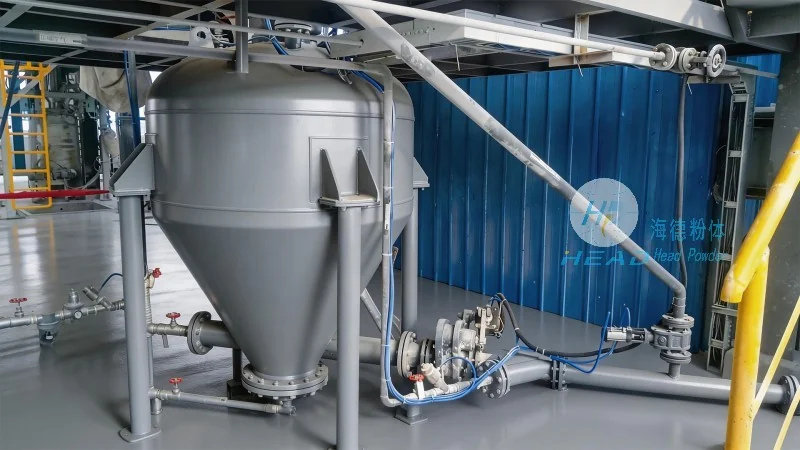
Overview of Precipitated Barium Sulfate and Its Transportation Needs
Precipitated barium sulfate is a white, crystalline powder with a high density and low moisture content. Its primary use is as a filler or opacifier in products like cosmetics, paints, and medical imaging agents. Due to its fine particle size and potential for dust generation, transporting this material demands careful attention to equipment selection, material handling, and safety protocols. The goal is to ensure that the product reaches its destination without degradation, while minimizing environmental impact and operational risks.
Common Methods for Transporting Precipitated Barium Sulfate
Several methods are widely used to transport precipitated barium sulfate, each suited to different scales of operation and logistical requirements. The choice of method often depends on factors like the distance of transport, the volume of material, and the specific end-use of the product. Below are some of the most common approaches:
Pipeline and Bulk Handling Systems
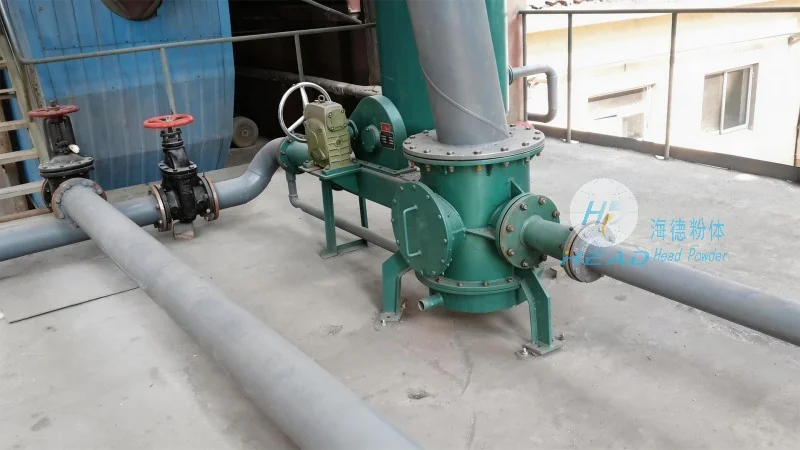
For large-scale industrial operations, pipeline systems are a popular choice for transporting precipitated barium sulfate. These systems typically involve a closed-loop design to prevent dust exposure and maintain product integrity. The material is often conveyed using pneumatic or hydraulic systems, where compressed air or a liquid carrier moves the powder through pipes. This method is highly efficient for continuous production lines and reduces the need for manual handling, thereby minimizing labor costs and safety risks. The equipment used in such systems includes rotary airlock valves, dust collectors, and pressure vessels, all designed to handle the specific properties of barium sulfate.
Pump and Conveying Equipment
For shorter distances or when bulk quantities need to be moved between processing units, pump and conveying equipment is commonly employed. Positive displacement pumps, such as rotary lobe or progressing cavity pumps, are often used due to their ability to handle abrasive and high-density materials without clogging. These pumps can operate in both wet and dry modes, making them versatile for different applications. Additionally, screw conveyors and belt conveyors are used to transport the material over horizontal or slight incline distances. The selection of pump type and conveyor design is critical to avoid particle degradation and ensure consistent flow rates.
Packaging and Containerized Transport
In many cases, especially for smaller volumes or when transporting to end-users, precipitated barium sulfate is packaged in containers such as plastic or metal drums, bags, or bulk bags. These containers are designed to minimize dust leakage and protect the material from moisture and contamination. The packaging process involves careful sealing and possibly adding desiccants to maintain the product's quality during transit. Transporting these packaged goods typically involves trucks or railcars, which are equipped with specialized loading and unloading systems to prevent spillage and ensure safe handling. This method is particularly useful for distribution to retail or small-scale manufacturing clients.
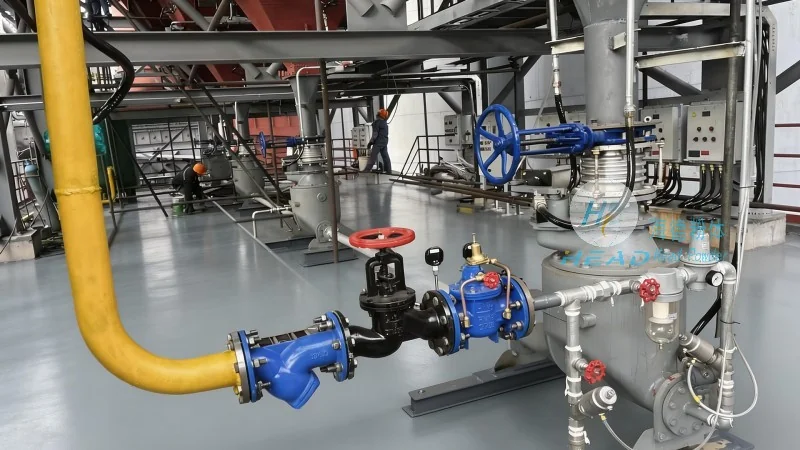
Specialized Handling and Safety Considerations
Regardless of the transport method chosen, safety and environmental considerations are paramount. Precipitated barium sulfate is generally considered non-toxic but can cause respiratory issues if inhaled as fine dust. Therefore, all handling and transport operations must be conducted in well-ventilated areas with appropriate personal protective equipment (PPE), including respirators and gloves. The use of dust suppression systems, such as wetting agents or enclosed transport vehicles, is recommended to minimize airborne particles. Additionally, regular maintenance of equipment is essential to prevent leaks and ensure that the material does not come into contact with incompatible substances that could cause contamination or degradation.
Role of Shandong HeadPowder Engineering Co., Ltd. in Precipitated Barium Sulfate Transportation
Shandong HeadPowder Engineering Co., Ltd., a leading manufacturer and supplier of industrial powders, specializes in providing solutions for the transportation and handling of precipitated barium sulfate. With years of experience in the field, the company offers a range of equipment and services tailored to meet the diverse needs of its clients. From custom-designed bulk handling systems to specialized packaging solutions, HeadPowder Engineering ensures that the material is transported efficiently and safely. The company's commitment to quality and customer satisfaction has made it a trusted partner for businesses in the pharmaceutical, coatings, and ceramics industries. By leveraging advanced technology and industry expertise, HeadPowder Engineering helps its clients optimize their supply chains and reduce operational costs associated with material transportation.

 Công ty TNHH Kỹ thuật Công trình Bột Hải Đức Sơn Đông
 156-6277-7102(Quản lý Trương)
  0531-83386006
  Quận Chương Khâu, Thành phố Tế Nam, Tỉnh Sơn Đông, Trung Quốc
Điện thoại
WeChatTư vấn
Lên đầu