Công ty Hải Đức Bột với hơn 10 năm kinh nghiệm vận chuyển khí, cung cấp hệ thống‑thiết bị‑quạt gió và nhận dự án tổng thầu bột cả nước
Carbon powder, a critical material in various industrial applications, requires efficient and reliable conveying systems to ensure smooth production processes. The choice of conveying method significantly impacts operational efficiency, material integrity, and overall system performance. This article provides a detailed comparison of common carbon powder conveying methods, highlighting their advantages, applications, and suitability for different industrial scenarios.
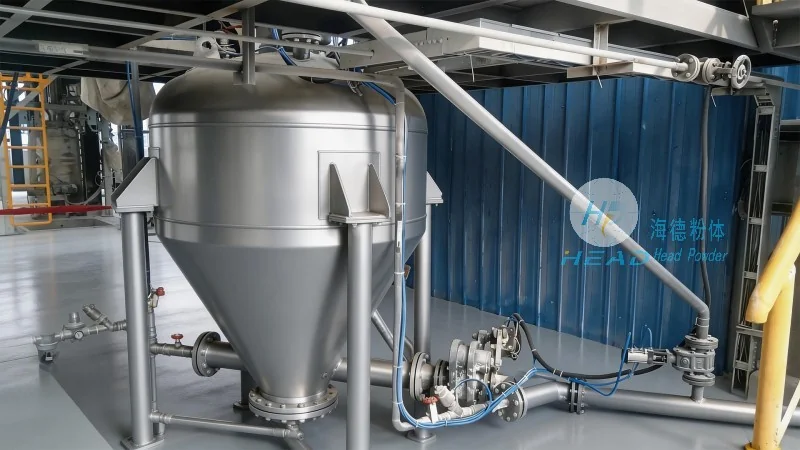
1. Pneumatic Conveying Systems
Pneumatic conveying, also known as air conveying, is a widely used method for transporting carbon powder due to its ability to handle fine powders and minimize material degradation. In this system, compressed air or other gases are used to move the powder through a pipeline. There are two main types: pressure and vacuum systems. Pressure systems use positive pressure to push the powder forward, while vacuum systems use negative pressure to pull the material. The choice between these depends on the distance, material characteristics, and system layout. For Shandong HeadPowder Engineering Co., Ltd., pneumatic conveying systems are designed with advanced filtration and control mechanisms to ensure high efficiency and low maintenance. These systems are particularly effective for transporting carbon powders in pharmaceutical, food, and chemical industries where product purity is paramount.
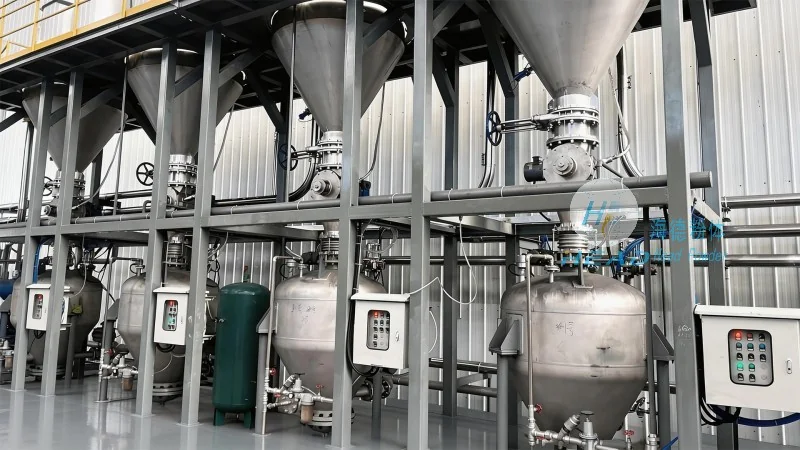
2. Screw Conveyors
Screw conveyors, or auger conveyors, are mechanical devices that use a rotating screw to move carbon powder along a trough. This method is suitable for horizontal or slightly inclined transport and is ideal for handling bulk carbon powders in manufacturing and processing plants. The screw conveyor's design, including the pitch and diameter of the screw, influences its capacity and material handling efficiency. For applications requiring continuous and reliable transport, screw conveyors offer a cost-effective solution. Shandong HeadPowder Engineering Co., Ltd. provides screw conveyors tailored to specific carbon powder characteristics, ensuring optimal performance and minimal product degradation. These conveyors are easy to install and maintain, making them a popular choice in industries such as metallurgy and ceramics.
3. Vibrating Conveyors
Vibrating conveyors utilize vibration to move carbon powder through a trough. The system consists of a conveyor bed that vibrates at specific frequencies, causing the powder to move forward. This method is effective for handling cohesive or sticky carbon powders that may clog other systems. Vibrating conveyors are particularly useful for transporting materials with high moisture content or those that tend to agglomerate. The design of the vibration mechanism, including the amplitude and frequency, is crucial for efficient material transport. Shandong HeadPowder Engineering Co., Ltd. specializes in vibrating conveyors that are robust and durable, suitable for heavy-duty applications. These conveyors are ideal for industries like coal processing and mineral handling, where consistent and reliable transport is essential.
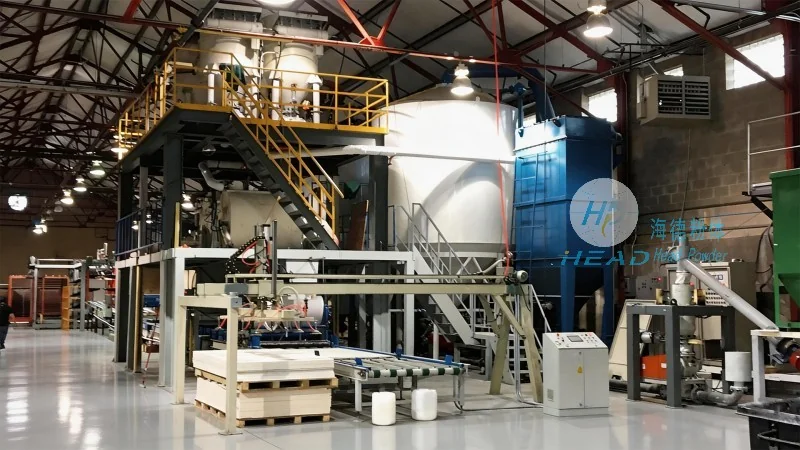
4. Belt Conveyors
Belt conveyors use a continuous belt to transport carbon powder over a series of rollers. This method is suitable for long-distance transport and is commonly used in mining and bulk material handling. The belt material and tension are critical factors affecting the system's performance and longevity. Belt conveyors are capable of handling large volumes of carbon powder and are relatively simple to operate and maintain. For applications requiring high throughput and long transport distances, belt conveyors offer a reliable solution. Shandong HeadPowder Engineering Co., Ltd. manufactures belt conveyors designed to withstand the demands of carbon powder transport, ensuring consistent performance and minimal downtime. These systems are widely used in the chemical and mining industries where bulk material handling is a key requirement.
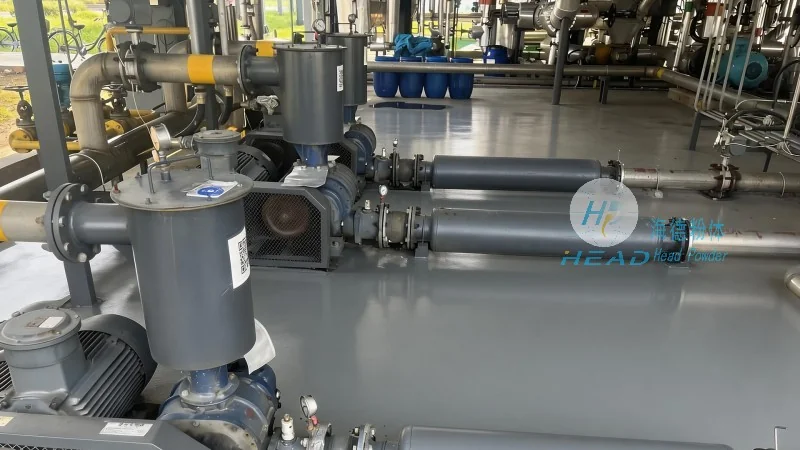
5. Comparison and Selection Criteria
When selecting a carbon powder conveying method, several factors must be considered, including the material's properties, transport distance, system cost, and operational requirements. Pneumatic conveying is ideal for fine powders and applications requiring high purity, while screw and vibrating conveyors are better suited for bulk materials and cohesive powders. Belt conveyors are preferred for long-distance and high-volume transport. Shandong HeadPowder Engineering Co., Ltd. offers comprehensive solutions tailored to these factors, ensuring that clients choose the most appropriate conveying system for their specific needs. By evaluating the advantages and limitations of each method, industrial operators can optimize their production processes and enhance overall efficiency.

 Công ty TNHH Kỹ thuật Công trình Bột Hải Đức Sơn Đông
 156-6277-7102(Quản lý Trương)
  0531-83386006
  Quận Chương Khâu, Thành phố Tế Nam, Tỉnh Sơn Đông, Trung Quốc
Điện thoại
WeChatTư vấn
Lên đầu