Công ty Hải Đức Bột với hơn 10 năm kinh nghiệm vận chuyển khí, cung cấp hệ thống‑thiết bị‑quạt gió và nhận dự án tổng thầu bột cả nước
When it comes to the efficient and reliable transportation of corn flour, selecting the right pneumatic conveying system is crucial for maintaining product quality and operational efficiency. As a leading provider in the field, Shandong HeadPowder Engineering Co., Ltd. specializes in designing tailored solutions that meet the unique demands of corn flour processing facilities. This article outlines key considerations and best practices for designing a reasonable corn flour pneumatic conveying system plan, ensuring optimal performance and cost-effectiveness.
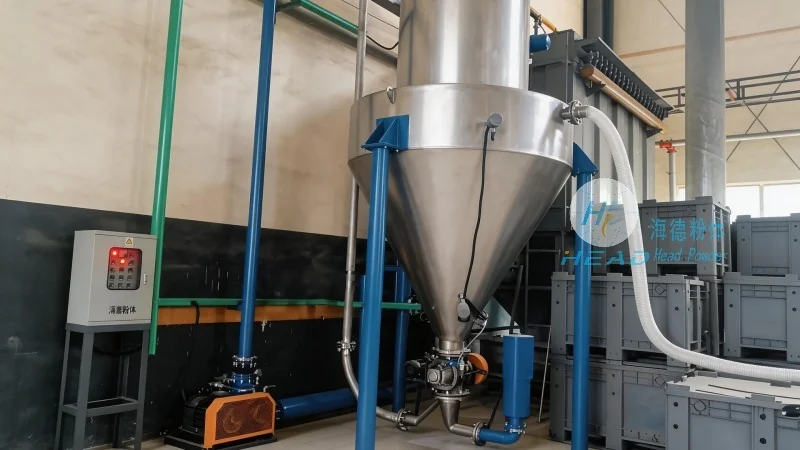
Understanding the Importance of Corn Flour Pneumatic Conveying Systems
Corn flour, with its fine particle size and hygroscopic properties, requires specialized handling to prevent caking, agglomeration, and loss of quality during transport. Pneumatic conveying systems offer a dry, closed-loop solution that minimizes product exposure to air and contaminants, making them ideal for sensitive materials like corn flour. These systems use air pressure or vacuum to move material through pipelines, reducing the need for mechanical components that could introduce wear and tear or contamination. By leveraging pneumatic technology, facilities can achieve seamless material transfer while maintaining the integrity of the corn flour product.
Key Design Factors for Corn Flour Pneumatic Conveying Systems
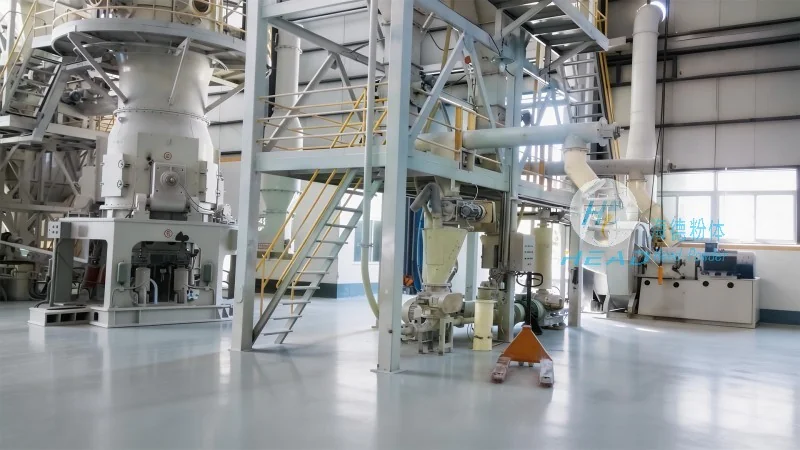
Designing an effective corn flour pneumatic conveying system involves several critical factors that must be carefully evaluated. First, the material characteristics of corn flour, such as particle size distribution, bulk density, and flowability, directly impact system selection. Fine particles may require higher air velocities to prevent blockages, while cohesive materials like corn flour need specialized equipment to ensure smooth transport. Second, the system layout and pipeline configuration play a vital role in minimizing pressure drops and energy consumption. Properly sized pipelines, elbows, and fittings are essential to maintain consistent air flow and prevent system inefficiencies. Third, the choice of conveying method—whether pressure or vacuum—depends on the distance and elevation changes between the source and destination points. Pressure systems are suitable for short to medium distances, while vacuum systems are better for longer runs or when material needs to be drawn from multiple sources.
Components and Equipment for a Reliable Corn Flour Pneumatic Conveying System
A well-designed corn flour pneumatic conveying system typically includes several key components to ensure smooth operation. The system starts with a hopper or silo that stores the corn flour, equipped with a feeder to regulate material flow. The feeder, often a rotary valve or screw feeder, ensures consistent material discharge into the pipeline. Next, the air source, such as a blower or vacuum pump, provides the necessary pressure or vacuum to move the material. For corn flour, which can be abrasive, the blower or pump must be constructed from materials resistant to wear and corrosion, such as stainless steel. The pipeline system, made from durable materials like PVC or stainless steel, is designed to withstand the abrasive nature of corn flour particles and maintain airtight seals to prevent leaks. Additionally, the system may include filters and cyclones to separate air from the material, ensuring that the corn flour is returned to the process and the air is safely discharged. These components work together to create a closed-loop system that minimizes waste and maximizes efficiency.
Optimizing System Performance and Maintenance for Longevity
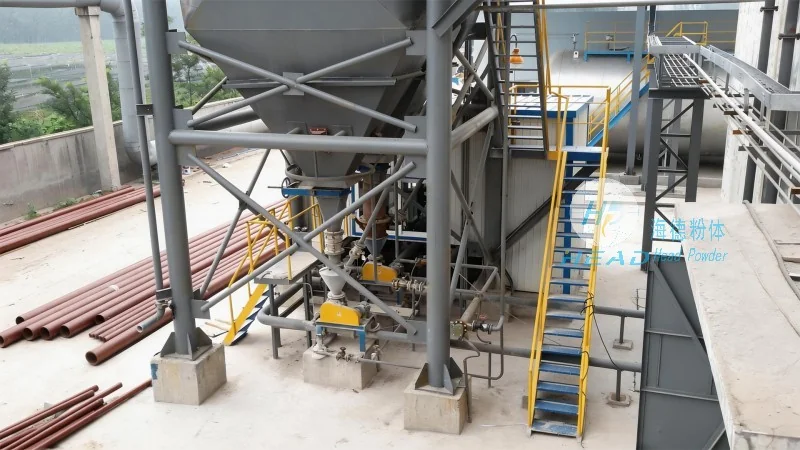
Once the corn flour pneumatic conveying system is installed, optimizing its performance and implementing regular maintenance are essential for long-term reliability. Regular cleaning of the pipeline and equipment is necessary to prevent buildup of corn flour particles, which can lead to blockages and reduced system efficiency. The use of cleaning tools, such as air guns or mechanical sweepers, helps maintain the integrity of the system. Additionally, monitoring system pressure and air flow rates allows operators to detect potential issues early, such as clogged filters or worn components. By conducting routine maintenance and performance checks, facilities can extend the lifespan of their pneumatic conveying system and ensure consistent product quality. Proper training of operators on system operation and troubleshooting is also crucial to prevent downtime and maintain optimal performance.
Conclusion: Partnering with HeadPowder for Your Corn Flour Pneumatic Conveying Needs
Designing a reasonable corn flour pneumatic conveying system requires a deep understanding of material properties, system components, and operational best practices. Shandong HeadPowder Engineering Co., Ltd. combines expertise in corn flour processing with advanced pneumatic technology to deliver customized solutions that meet the specific needs of each facility. By focusing on efficiency, reliability, and product integrity, HeadPowder helps clients achieve seamless material transfer while minimizing costs and downtime. With a commitment to quality and customer satisfaction, HeadPowder stands as a trusted partner for all corn flour pneumatic conveying system requirements. Whether you are upgrading an existing system or designing a new one, HeadPowder provides the expertise and support needed to ensure your corn flour processing operation runs smoothly and efficiently.

 Công ty TNHH Kỹ thuật Công trình Bột Hải Đức Sơn Đông
 156-6277-7102(Quản lý Trương)
  0531-83386006
  Quận Chương Khâu, Thành phố Tế Nam, Tỉnh Sơn Đông, Trung Quốc
Điện thoại
WeChatTư vấn
Lên đầu