Công ty Hải Đức Bột với hơn 10 năm kinh nghiệm vận chuyển khí, cung cấp hệ thống‑thiết bị‑quạt gió và nhận dự án tổng thầu bột cả nước
When it comes to handling rice bran, selecting the right conveying method is crucial for efficiency and cost-effectiveness in industrial operations. Rice bran, a byproduct of rice milling, is often used in animal feed, biofuel production, and other applications. Proper conveyance ensures that this valuable material is transported safely and efficiently from processing points to storage or further processing units. This article provides a detailed comparison of common rice bran conveying methods, highlighting their advantages, limitations, and suitability for different industrial scenarios.
1. Screw Conveyors for Rice Bran Transport
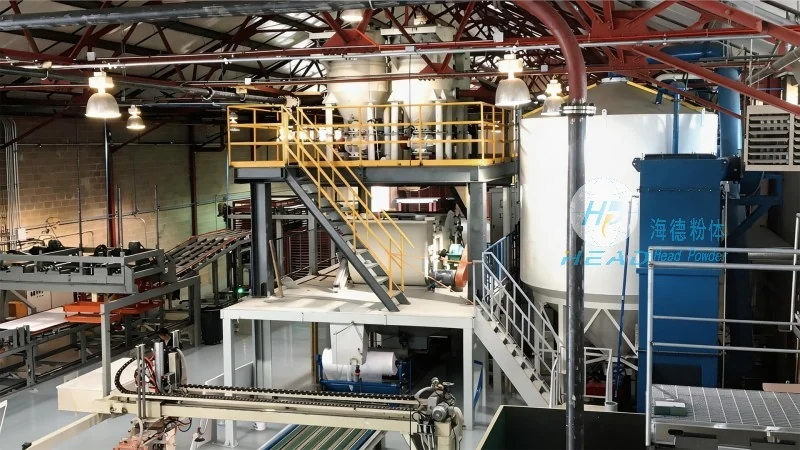
One of the most widely used methods for rice bran conveyance is the screw conveyor. Screw conveyors, also known as auger conveyors, operate by rotating a helical screw inside a trough. As the screw rotates, it moves the material forward through the trough. For rice bran, which is typically in a fine or semi-fine powder form, screw conveyors are effective due to their ability to handle dry, free-flowing materials without the need for additional power sources like vacuum or pressure. The design of screw conveyors allows for vertical or horizontal transport, making them versatile for various plant layouts. However, screw conveyors may struggle with very fine or sticky rice bran, as these materials can cause blockages or reduce conveyor efficiency. In such cases, additional maintenance or specialized screw designs (like ribbon or paddle screws) may be required to prevent material buildup.
2. Pneumatic Conveying Systems for Rice Bran
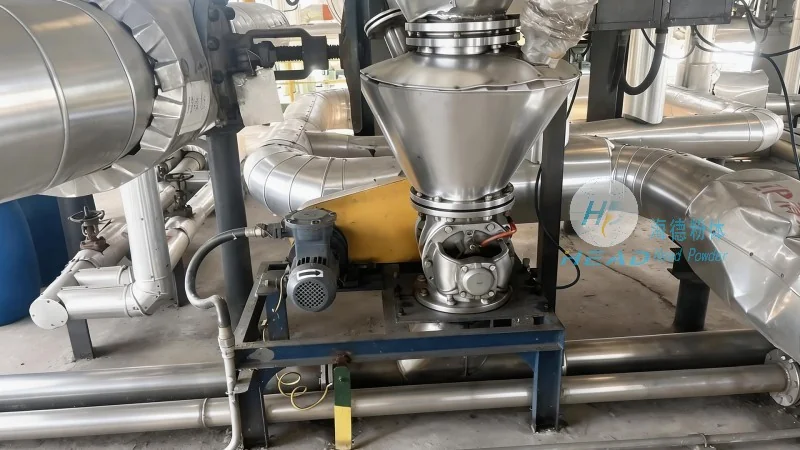
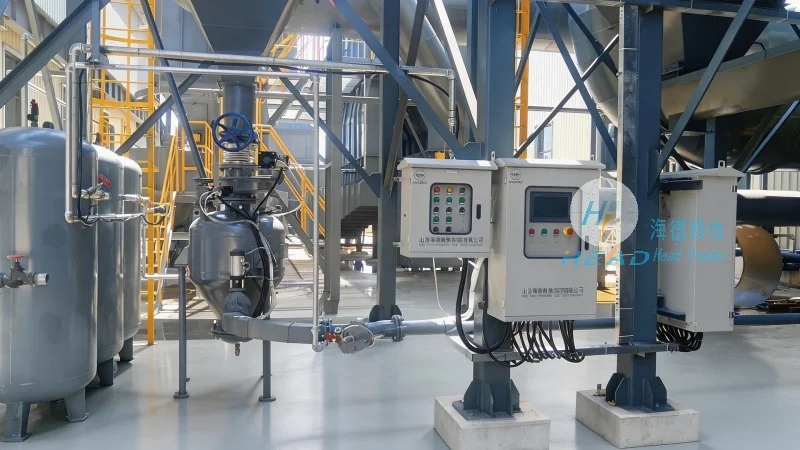
Another common method is pneumatic conveying, which uses air pressure to transport rice bran through a pipeline. This system typically consists of a blower, a hopper for material storage, and a pipeline network. The rice bran is fed into the hopper and then drawn into the pipeline by the air flow. Pneumatic conveyors are particularly suitable for long-distance or high-rise transport, as they can move materials vertically and horizontally over significant distances without the need for multiple transfer points. They are also effective for handling fine powders that might be difficult to convey with mechanical systems. However, pneumatic conveying systems require higher energy input compared to screw conveyors, as they rely on air pressure and flow. Additionally, they may not be suitable for very large quantities of rice bran, as the air flow rate must be carefully managed to prevent material segregation or degradation. Proper maintenance of the blower and pipeline is also essential to ensure consistent performance.
3. Belt Conveyors in Rice Bran Handling
Belt conveyors are another option for rice bran conveyance, especially in applications where bulk quantities need to be transported over longer distances. Belt conveyors consist of a continuous belt that moves over rollers, with the rice bran placed on the belt and carried to the destination. This method is ideal for horizontal transport and can handle larger volumes of material compared to screw or pneumatic systems. Belt conveyors are often used in combination with other equipment, such as hoppers or elevators, to form a complete material handling system. However, belt conveyors may not be as effective for fine powders, as the material can easily fall through the belt or cause slippage. To mitigate this, special belt materials or coatings may be used to improve grip and prevent material loss. Additionally, belt conveyors require regular maintenance to check for wear and tear on the belt and rollers, ensuring smooth operation and preventing breakdowns.
4. Comparison of Conveying Methods
When choosing a conveying method for rice bran, several factors must be considered, including material characteristics, transport distance, required capacity, and operational costs. Screw conveyors are generally the most cost-effective for short to medium distances and for handling dry, free-flowing rice bran. They are simple to install and maintain, making them a popular choice for small to medium-sized operations. Pneumatic conveyors, on the other hand, are better suited for long-distance or high-rise transport, especially when dealing with fine powders. They offer flexibility in layout but require more energy and maintenance. Belt conveyors are ideal for bulk handling over longer distances but may not be as efficient for fine materials. The choice of method also depends on the specific application, such as whether the rice bran is being transported to storage, processing units, or packaging areas. For example, screw conveyors may be used for transporting rice bran from a mill to a storage silo, while pneumatic conveyors might be used to move it to a biofuel production facility located at a different site.
5. Conclusion and Recommendations
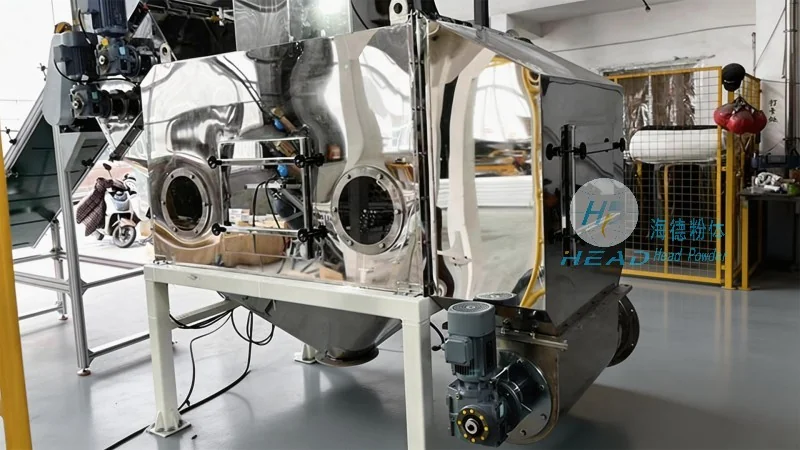
Each conveying method for rice bran has its own advantages and limitations, and the best choice depends on the specific needs of the operation. For many industrial applications, a combination of methods may be used to optimize efficiency and cost. For instance, a screw conveyor might be used for short-distance transport from the mill to a hopper, followed by a pneumatic conveyor for long-distance transport to the final processing unit. This approach allows for flexibility and ensures that the material is handled safely and efficiently throughout the process. When selecting a conveying system, it is essential to consider factors such as material properties, transport distance, required capacity, and budget constraints. Consulting with experts in material handling, such as Shandong HeadPowder Engineering Co., Ltd., can provide valuable insights into the most suitable method for a particular operation. By choosing the right conveying method, rice bran can be transported effectively, reducing operational costs and maximizing the value of this valuable byproduct.

 Công ty TNHH Kỹ thuật Công trình Bột Hải Đức Sơn Đông
 156-6277-7102(Quản lý Trương)
  0531-83386006
  Quận Chương Khâu, Thành phố Tế Nam, Tỉnh Sơn Đông, Trung Quốc
Điện thoại
WeChatTư vấn
Lên đầu