Công ty Hải Đức Bột với hơn 10 năm kinh nghiệm vận chuyển khí, cung cấp hệ thống‑thiết bị‑quạt gió và nhận dự án tổng thầu bột cả nước
Caustic soda pellets, also known as sodium hydroxide (NaOH), are widely used in various industrial processes due to their strong alkaline properties. Proper handling and transportation of these pellets are crucial for maintaining safety, efficiency, and product integrity. This article provides a detailed comparison of common methods used for caustic soda pellet handling, focusing on the advantages and considerations of each approach. The information is presented by Shandong HeadPowder Engineering Co., Ltd., a leading provider of bulk chemical handling solutions based in China.
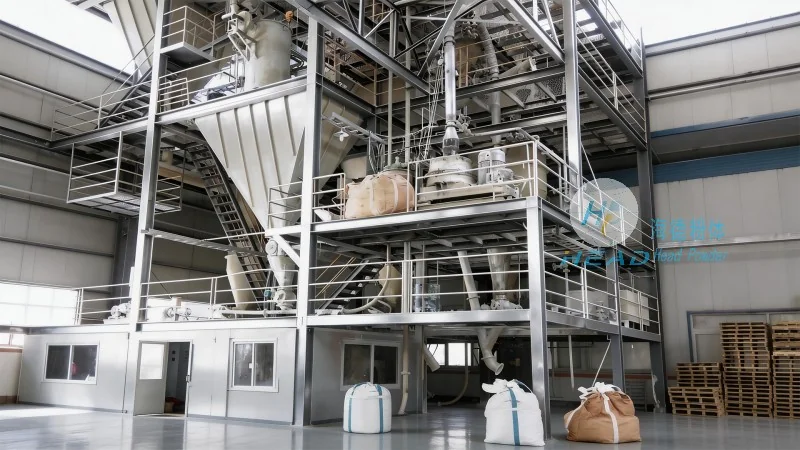
Introduction to Caustic Soda Pellet Handling
Caustic soda pellets are typically stored and transported in bulk quantities, often requiring specialized equipment to manage their flow and prevent spillage or contamination. The choice of handling method depends on factors such as the scale of operation, environmental regulations, and the specific requirements of the downstream processes. Understanding the different options available helps industries select the most suitable approach for their needs.
1. Bulk Bag (FIBC) Handling
Bulk bags, or flexible intermediate bulk containers (FIBCs), are commonly used for the storage and transport of caustic soda pellets. These bags are made from durable materials like polypropylene and are designed to hold large volumes of bulk materials. The process typically involves loading the pellets into the bag using a hopper or conveyor system, followed by sealing the bag to prevent leakage. Bulk bags offer advantages such as cost-effectiveness, ease of handling, and the ability to transport large quantities without the need for specialized containers. However, they may require additional equipment for unloading, such as a forklift or a bulk bag discharger, and may be less suitable for high-volume, continuous operations.
2. Tank Truck Transport
Tank trucks are another popular method for transporting caustic soda pellets, especially for long-distance or bulk deliveries. These vehicles are equipped with insulated tanks to maintain the temperature of the pellets and prevent degradation. The pellets are loaded into the tank using a pump or conveyor system, and the tank is sealed to ensure no leaks occur during transit. Tank truck transport offers high capacity and flexibility, allowing for the delivery of large quantities to multiple locations. However, it requires strict adherence to safety regulations due to the hazardous nature of caustic soda, and the cost of transportation may be higher compared to other methods.
3. Pneumatic Conveying Systems

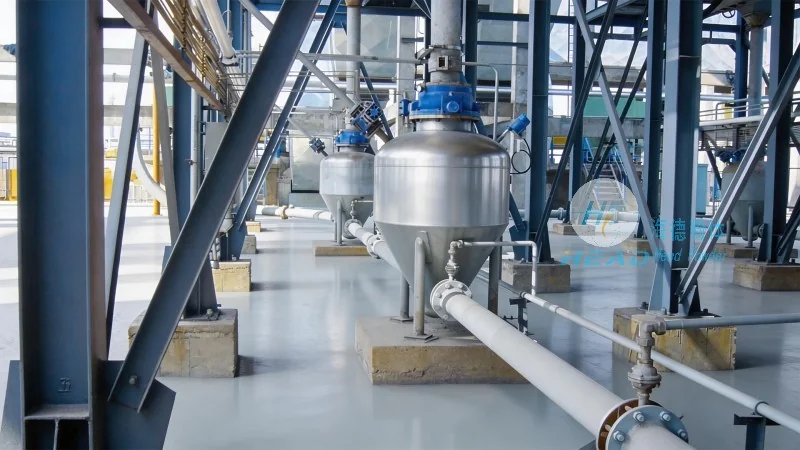
Pneumatic conveying systems use air pressure to transport caustic soda pellets from one location to another. These systems consist of a series of pipes, a blower, and a receiver. The pellets are fed into the system and carried by a stream of air, which moves them through the pipes to the destination. Pneumatic conveying offers advantages such as the ability to transport pellets over long distances without the need for intermediate storage, and it can be integrated with existing production lines. However, it may require higher energy consumption and may not be suitable for very fine or abrasive pellets, as they can cause wear and tear on the system components.
4. Screw Conveyors
Screw conveyors are mechanical devices used to move caustic soda pellets through a tube or trough. The conveyor consists of a rotating screw (helix) that pushes the pellets forward. Screw conveyors are commonly used in industrial settings for short to medium-distance transport, such as moving pellets from a storage bin to a processing unit. They offer advantages such as simplicity, low maintenance, and the ability to handle a wide range of pellet sizes. However, they may be less efficient for high-volume or long-distance transport and can cause some product degradation due to friction.
5. Hydraulic Conveying
Hydraulic conveying systems use water or other liquids to transport caustic soda pellets. The pellets are mixed with water to form a slurry, which is then pumped through a pipeline to the destination. This method is often used for transporting pellets over long distances or in areas with challenging terrain. Hydraulic conveying offers advantages such as the ability to transport pellets through difficult routes and the ability to handle large volumes. However, it requires additional equipment for mixing and pumping, and the process may result in some water contamination, which needs to be managed properly.
Choosing the Right Handling Method
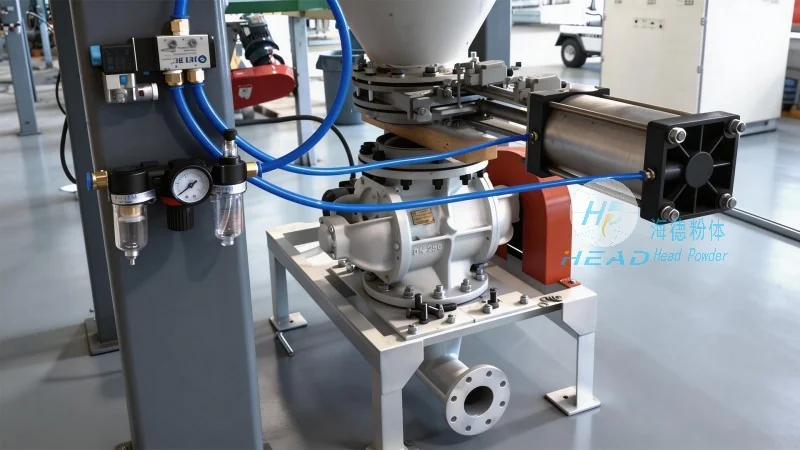
The selection of the most appropriate caustic soda pellet handling method depends on several factors, including the scale of operation, the distance between the source and destination, the required throughput, and safety considerations. For small-scale operations, bulk bags or screw conveyors may be sufficient. For large-scale, long-distance transport, tank trucks or pneumatic conveying systems are often preferred. It is essential to evaluate the cost, efficiency, and safety aspects of each method to ensure the best fit for the specific application.
Conclusion
Proper handling of caustic soda pellets is critical for maintaining safety and efficiency in industrial processes. By understanding the different methods available and their respective advantages and limitations, industries can select the most suitable approach for their needs. Whether using bulk bags, tank trucks, pneumatic systems, screw conveyors, or hydraulic conveyors, each method plays a role in ensuring the safe and effective transport of caustic soda pellets. As the demand for caustic soda continues to grow, the importance of efficient and safe handling methods will only increase, making it essential for companies to invest in the right equipment and processes.

 Công ty TNHH Kỹ thuật Công trình Bột Hải Đức Sơn Đông
 156-6277-7102(Quản lý Trương)
  0531-83386006
  Quận Chương Khâu, Thành phố Tế Nam, Tỉnh Sơn Đông, Trung Quốc
Điện thoại
WeChatTư vấn
Lên đầu