Công ty Hải Đức Bột với hơn 10 năm kinh nghiệm vận chuyển khí, cung cấp hệ thống‑thiết bị‑quạt gió và nhận dự án tổng thầu bột cả nước
When it comes to handling sucrose in industrial settings, selecting the right conveying method is crucial for efficiency, cost-effectiveness, and product integrity. This article provides a detailed comparison of common sucrose conveying methods, highlighting their applications, advantages, and considerations for different operational needs.
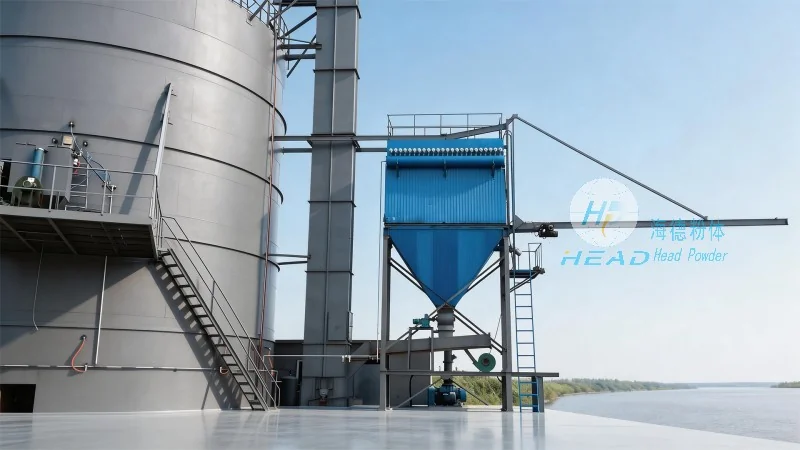
Introduction to Sucrose Conveying Methods
Sucrose, commonly known as table sugar, is a critical ingredient in food and beverage production, as well as in various industrial applications. The process of moving sucrose from storage to processing lines requires reliable and efficient conveying systems. Different methods are employed based on factors such as material properties, production scale, and environmental conditions. Understanding these options helps businesses optimize their operations and maintain the quality of their sucrose products.
1. Gravity Conveying Systems
Gravity conveying relies on the natural force of gravity to move sucrose from one point to another. This method is often used for short distances and when the material is stored at an elevated height. The primary components include chutes, hoppers, and sloped conveyors. The advantages of gravity systems include low energy consumption and minimal maintenance, as they do not require motors or other power sources. However, their effectiveness is limited by the need for a suitable incline and the risk of material degradation due to prolonged exposure to air and light. For HeadPowder, gravity systems are often integrated into larger processing lines to complement other conveying technologies, ensuring a smooth flow from storage to the next stage of production.
2. Mechanical Conveying Systems

Mechanical conveying systems use mechanical power to transport sucrose, offering greater control and flexibility compared to gravity methods. These systems include belt conveyors, screw conveyors, and bucket elevators. Belt conveyors are ideal for transporting bulk sucrose over longer distances, while screw conveyors are suitable for vertical or horizontal movement in confined spaces. Bucket elevators are particularly effective for moving sucrose from lower to higher levels, often used in sugar refineries and processing plants. The key benefits of mechanical systems include high capacity, consistent speed, and the ability to handle varying material conditions. However, they require regular maintenance to ensure smooth operation and prevent wear and tear on components. HeadPowder specializes in designing and manufacturing customized mechanical conveying solutions tailored to specific production requirements, ensuring durability and efficiency in sucrose handling.
3. Pumping Systems for Liquid or Slurry Applications
In some cases, sucrose may be processed as a liquid or slurry, requiring pumping systems to move it through pipelines. Centrifugal pumps and positive displacement pumps are commonly used for this purpose. Centrifugal pumps are efficient for handling large volumes of sucrose solutions, while positive displacement pumps are better suited for viscous or high-concentration slurries. These systems are essential in processes such as sugar refining, where sucrose is dissolved and transported through processing stages. The advantages of pumping systems include the ability to move material over long distances with minimal pressure loss and the capacity to handle varying flow rates. However, they require proper sealing and maintenance to prevent leaks and ensure product purity. HeadPowder’s expertise in fluid handling technology allows them to provide integrated pumping solutions that meet the specific needs of sucrose processing plants, ensuring reliable and consistent performance.
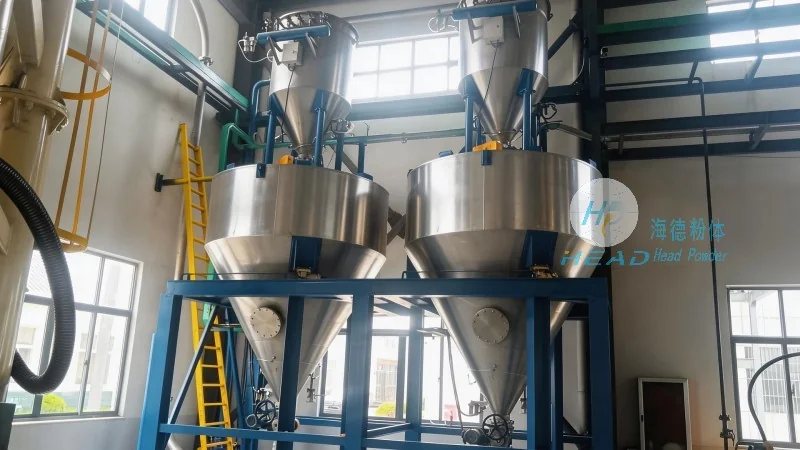
4. Air-Lift and Pneumatic Conveying Systems
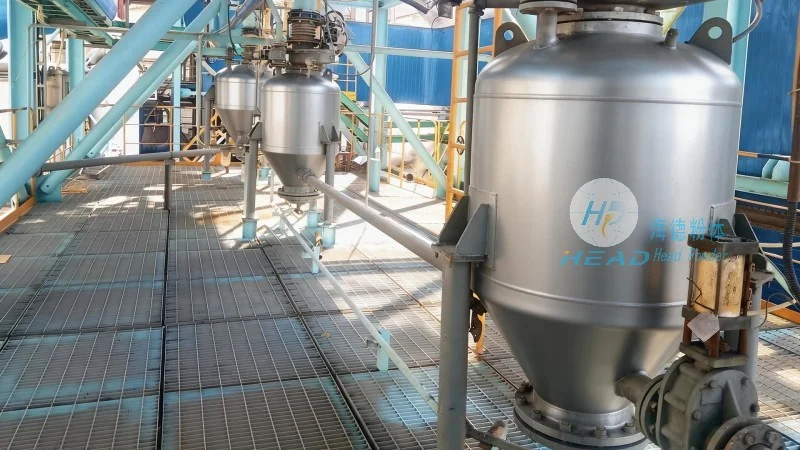
Air-lift and pneumatic conveying systems use compressed air to transport sucrose particles through a pipeline. This method is particularly useful for moving fine or powdery sucrose, as it minimizes product degradation and contamination. The system consists of a hopper, a venturi tube, and a receiver. The compressed air creates a low-pressure zone that draws sucrose into the pipeline, where it is carried to the destination. The advantages of pneumatic systems include high speed, the ability to handle fine materials, and the flexibility to transport material over long distances without the need for multiple components. However, they require significant energy input and may be less efficient for large volumes of bulk sucrose. HeadPowder offers advanced pneumatic conveying solutions that optimize air usage and minimize energy consumption, ensuring cost-effective and reliable sucrose transport in various industrial applications.
5. Comparing and Selecting the Right Conveying Method
Choosing the appropriate sucrose conveying method depends on several factors, including the scale of production, the physical properties of the sucrose (such as moisture content and particle size), and the layout of the processing facility. Gravity systems are cost-effective for short distances but limited by incline requirements. Mechanical systems offer high capacity and control but require maintenance. Pumping systems are ideal for liquid or slurry applications, while pneumatic systems excel in handling fine powders. Businesses should evaluate their operational needs and consider long-term costs when selecting a conveying method. HeadPowder, with its extensive experience in sucrose processing, provides comprehensive guidance and customized solutions to help clients choose the most suitable conveying method for their specific requirements, ensuring optimal performance and efficiency in sucrose handling.
Conclusion
Effective sucrose conveying is a critical component of industrial operations, directly impacting productivity and product quality. By understanding the different conveying methods and their applications, businesses can make informed decisions to enhance their sucrose handling processes. HeadPowder Engineering Co., Ltd., based in Shandong, China, specializes in providing advanced conveying solutions tailored to the unique needs of sucrose processing industries. Their expertise in mechanical, pneumatic, and pumping systems ensures that clients receive reliable, efficient, and cost-effective equipment that meets the highest standards of performance and durability.

 Công ty TNHH Kỹ thuật Công trình Bột Hải Đức Sơn Đông
 156-6277-7102(Quản lý Trương)
  0531-83386006
  Quận Chương Khâu, Thành phố Tế Nam, Tỉnh Sơn Đông, Trung Quốc
Điện thoại
WeChatTư vấn
Lên đầu