Công ty Hải Đức Bột với hơn 10 năm kinh nghiệm vận chuyển khí, cung cấp hệ thống‑thiết bị‑quạt gió và nhận dự án tổng thầu bột cả nước
When it comes to handling fine sand in industrial applications, selecting the right conveying method is crucial for efficiency, cost-effectiveness, and operational reliability. As a leading provider in the field, Shandong HeadPowder Engineering Co., Ltd. specializes in delivering tailored solutions that address the unique challenges of fine sand transportation. This article provides a detailed comparison of common fine sand conveying methods, highlighting their advantages, limitations, and suitability for various industrial scenarios.
1. Understanding Fine Sand and Conveying Challenges
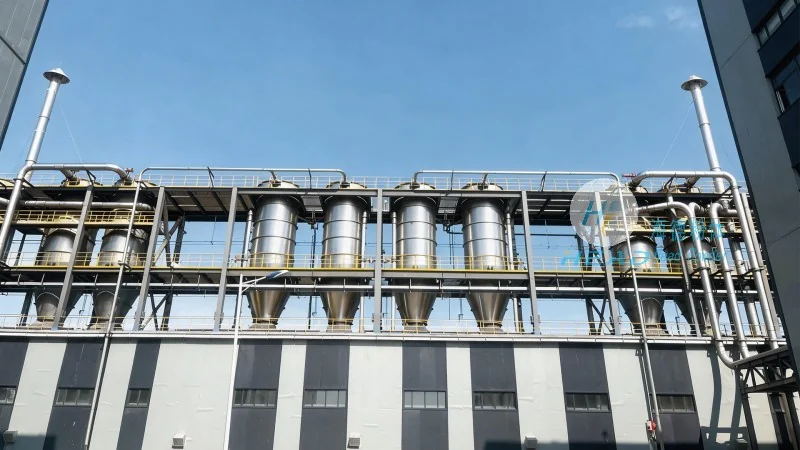
Fine sand, typically defined as particles with a diameter of less than 0.0625 mm (or 250 microns), presents distinct handling characteristics compared to coarser materials. Its fine particle size makes it prone to caking, bridging, and blockages in traditional conveying systems. Additionally, fine sand often has high moisture content or abrasive properties, which can accelerate wear on equipment and reduce overall system lifespan. Effective conveying requires specialized equipment designed to mitigate these challenges while maintaining consistent flow rates and minimizing material loss.
2. Common Fine Sand Conveying Methods Overview
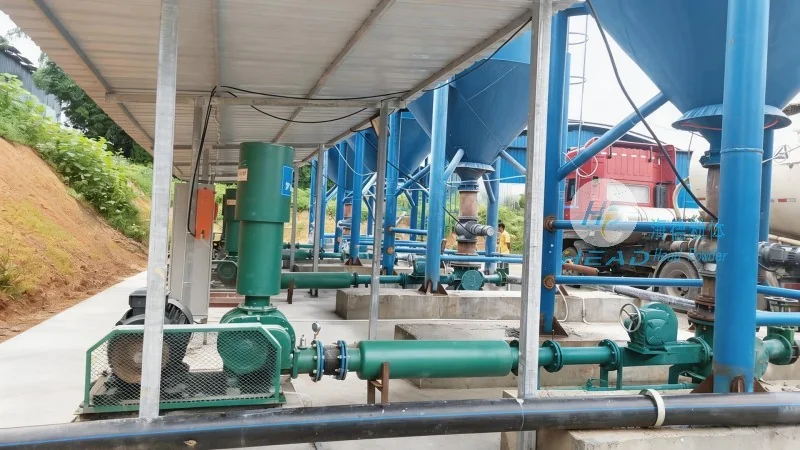
Several methods are widely used for transporting fine sand, each with its own set of advantages and limitations. The primary options include pneumatic conveying, screw conveyors, and pipeline systems. Each method is suited to different operational requirements, such as material volume, distance, and environmental constraints. Understanding these differences is essential for selecting the most appropriate system for a specific application.
3. Pneumatic Conveying Systems
Pneumatic conveying uses air or other gases to transport fine sand through a closed system of pipes. This method is particularly effective for handling materials that are difficult to move mechanically, such as fine powders or granules. There are two main types of pneumatic conveying: pressure and vacuum systems. Pressure systems force air into the conveying line, while vacuum systems create a negative pressure to draw material into the line. Pneumatic conveying offers several benefits, including the ability to transport materials over long distances, minimal product degradation, and the capacity to handle abrasive materials without excessive wear. However, it requires careful control of air pressure and flow rates to prevent material segregation or blockages. Additionally, the system can be more energy-intensive compared to other methods, and maintenance of air filtration systems is essential to prevent dust accumulation and equipment damage.
4. Screw Conveyors for Fine Sand
Screw conveyors, also known as auger conveyors, use a rotating helical screw to move fine sand along a trough or pipe. This method is well-suited for short to medium-distance transportation and is commonly used in applications where the material is relatively dry and free-flowing. Screw conveyors are relatively simple in design, making them cost-effective and easy to install. They can handle a wide range of materials, including fine sand, and are capable of operating in both horizontal and vertical orientations. The main advantages of screw conveyors include their ability to handle abrasive materials without significant wear, low maintenance requirements, and the capacity to transport materials at a consistent rate. However, they are less effective for handling very fine or cohesive materials, as the screw may cause caking or blockages. Additionally, screw conveyors are limited in the distance they can transport material efficiently, typically ranging from a few meters to around 30 meters, depending on the system design.
5. Pipeline Conveying Systems
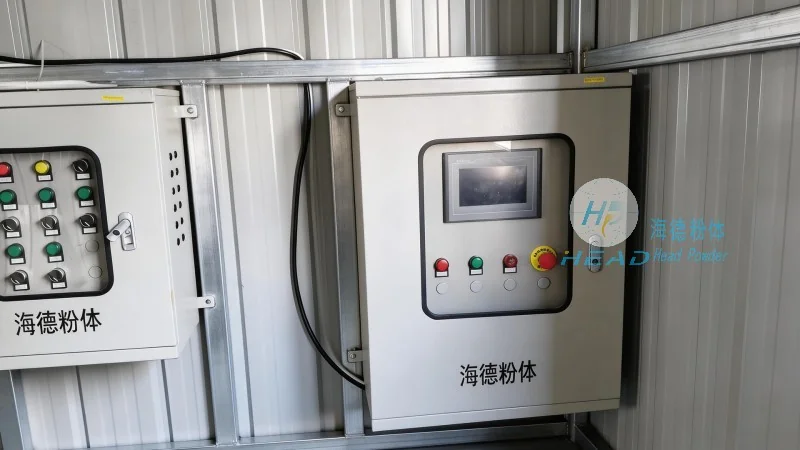
Pipeline conveying systems, also known as slurry pipelines or slurry transport systems, involve transporting fine sand mixed with water or other liquids through a pipeline. This method is ideal for long-distance transportation, such as in mining or construction projects where large volumes of sand need to be moved over several kilometers. The system typically includes a pump station to maintain the flow of the slurry, a pipeline network, and a settling or dewatering facility at the destination. Pipeline conveying offers the advantage of transporting large volumes of material at a relatively low cost per unit, and it can handle abrasive materials without excessive wear on the pipeline. However, it requires significant infrastructure investment, including the pipeline itself and the pump station, and is dependent on the availability of water or other liquids to maintain the slurry consistency. Additionally, the system may be affected by changes in water levels or temperature, which can impact the flow rate and material quality.
6. Comparing Conveying Methods: Key Factors to Consider
When selecting a fine sand conveying method, several factors must be considered to ensure optimal performance and cost-effectiveness. These factors include the distance of material transport, the volume of material to be moved, the nature of the material (e.g., moisture content, abrasiveness), and the operational environment (e.g., indoor or outdoor use). Pneumatic conveying is often preferred for long-distance or high-volume applications where material handling efficiency is critical. Screw conveyors are suitable for shorter distances and applications requiring consistent, low-speed transport. Pipeline systems are ideal for large-scale, long-distance projects where cost per unit is a primary concern. Additionally, the initial investment cost, maintenance requirements, and energy consumption of each system must be evaluated to determine the most economical solution for a specific operation.
7. Tailored Solutions from Shandong HeadPowder Engineering Co., Ltd.
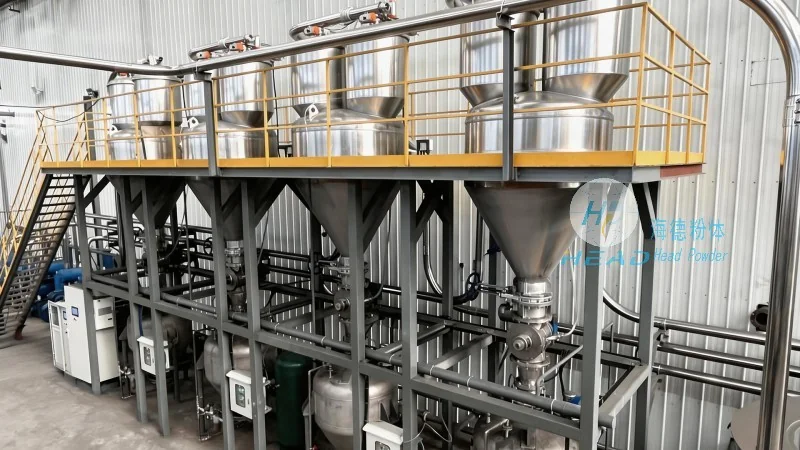
Shandong HeadPowder Engineering Co., Ltd. understands that no single conveying method is universally optimal for all fine sand applications. Our team of experts works closely with clients to assess their specific needs and recommend the most suitable system. Whether the requirement is for pneumatic, screw, or pipeline conveying, we provide customized solutions that address the unique challenges of each project. Our products are designed with durability and efficiency in mind, ensuring that they can withstand the abrasive nature of fine sand and operate reliably over extended periods. We also offer maintenance and support services to minimize downtime and maximize the lifespan of our equipment. By partnering with HeadPowder, clients can benefit from our extensive experience and technical expertise in fine sand handling, ensuring that their conveying systems operate at peak performance.
8. Conclusion
Choosing the right fine sand conveying method is essential for maintaining operational efficiency and minimizing costs in industrial applications. By understanding the characteristics of each method and considering the specific requirements of the project, companies can select the most appropriate system. Shandong HeadPowder Engineering Co., Ltd. is committed to providing high-quality, customized solutions that meet the diverse needs of the fine sand transportation industry. Our expertise in pneumatic conveying, screw conveyors, and pipeline systems ensures that we can deliver effective solutions tailored to our clients' unique challenges. Whether you are in the mining, construction, or manufacturing sector, HeadPowder is your trusted partner for fine sand conveying solutions.

 Công ty TNHH Kỹ thuật Công trình Bột Hải Đức Sơn Đông
 156-6277-7102(Quản lý Trương)
  0531-83386006
  Quận Chương Khâu, Thành phố Tế Nam, Tỉnh Sơn Đông, Trung Quốc
Điện thoại
WeChatTư vấn
Lên đầu