Công ty Hải Đức Bột với hơn 10 năm kinh nghiệm vận chuyển khí, cung cấp hệ thống‑thiết bị‑quạt gió và nhận dự án tổng thầu bột cả nước
For construction and industrial applications, the efficient and reliable transport of sand and soil is a critical operation. Various methods have been developed to handle these materials, each with its own advantages and limitations. This article provides a detailed comparison of common sand and soil conveying methods, helping engineers and project managers select the most suitable option for their specific needs.
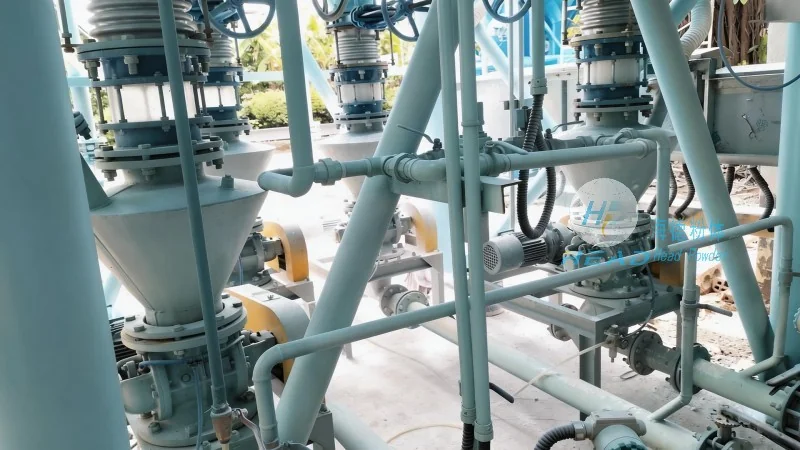
Overview of Conveying Methods
Sand and soil conveying involves moving loose granular materials from one location to another. The choice of method depends on factors such as material characteristics, distance, volume, and environmental considerations. Common methods include pneumatic conveying, belt conveyors, screw conveyors, and hydraulic systems. Each method operates on different principles and is suited to different scenarios.
Pneumatic Conveying Systems
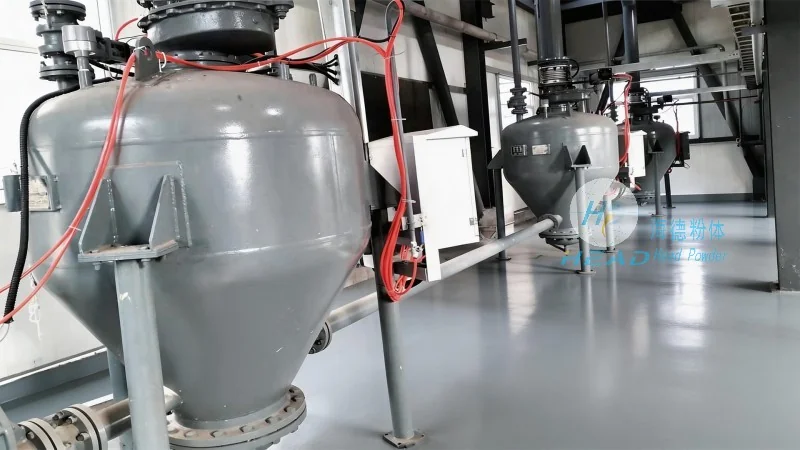
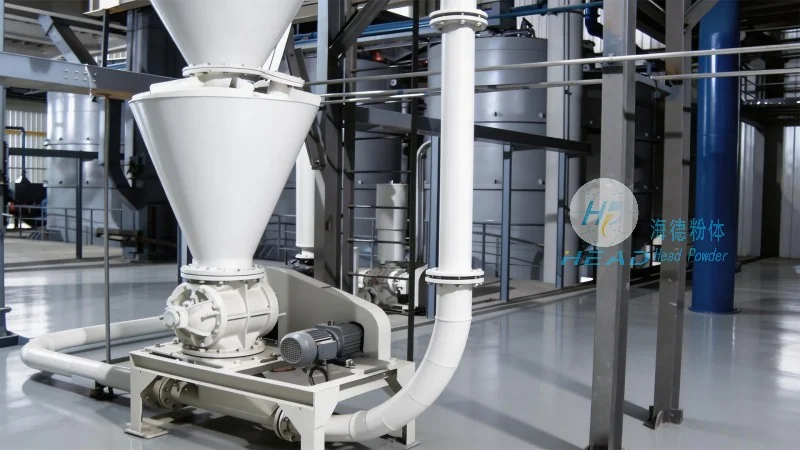
Pneumatic conveying uses air pressure to transport materials through a pipeline. This method is ideal for handling fine powders and granular materials like sand. It offers advantages such as low maintenance, flexibility in layout, and the ability to transport materials over long distances. However, it requires a consistent air supply and may not be suitable for very large volumes or heavy materials. Pneumatic systems are commonly used in industries like mining, construction, and food processing.
Belt Conveyors
Belt conveyors are a classic and widely used method for transporting bulk materials, including sand and soil. They consist of a continuous belt that moves over rollers or pulleys, carrying the material from the loading point to the discharge point. Belt conveyors are capable of handling large volumes and can operate over long distances. They are particularly effective for horizontal or slightly inclined transport. However, they may require more space and have higher initial costs compared to other methods. Proper maintenance is essential to ensure smooth operation and prevent material spillage.
Screw Conveyors
Screw conveyors, also known as auger conveyors, use a rotating screw to move materials along a trough. This method is suitable for transporting granular materials like sand and soil, especially in applications where vertical or inclined transport is needed. Screw conveyors are compact and can be easily integrated into existing systems. They are effective for moderate volumes and can handle materials with varying moisture content. However, they may experience wear and tear on the screw and trough, requiring regular maintenance. The method is commonly used in agricultural, chemical, and construction industries.
Hydraulic Conveying Systems
Hydraulic conveying uses water or other fluids to transport materials through pipelines. This method is particularly effective for transporting wet or slurry materials, such as sand mixed with water. It offers high capacity and can handle materials with high moisture content. However, it requires a robust pumping system and may not be suitable for dry sand or granular materials. Hydraulic systems are often used in mining operations where water is readily available and in applications involving slurry transport.
Choosing the Right Conveying Method
When selecting a sand and soil conveying method, several factors must be considered. The first is the material characteristics, including particle size, moisture content, and density. The second is the distance and layout of the transport route. The third is the required capacity and throughput. Additionally, environmental and safety considerations, such as dust control and noise reduction, play a role in the decision-making process. Consulting with experts from companies like Shandong HeadPowder Engineering Co., Ltd. can provide valuable insights into the most appropriate method for a specific project.
Conclusion
In conclusion, the choice of sand and soil conveying method depends on a combination of technical, operational, and economic factors. Pneumatic, belt, screw, and hydraulic systems each offer unique advantages and are suited to different applications. By carefully evaluating the project requirements and consulting with industry professionals, engineers can select the most efficient and reliable conveying solution. Shandong HeadPowder Engineering Co., Ltd., with its expertise in material handling systems, can assist in designing and implementing the optimal conveying system for various construction and industrial needs.

 Công ty TNHH Kỹ thuật Công trình Bột Hải Đức Sơn Đông
 156-6277-7102(Quản lý Trương)
  0531-83386006
  Quận Chương Khâu, Thành phố Tế Nam, Tỉnh Sơn Đông, Trung Quốc
Điện thoại
WeChatTư vấn
Lên đầu