Công ty Hải Đức Bột với hơn 10 năm kinh nghiệm vận chuyển khí, cung cấp hệ thống‑thiết bị‑quạt gió và nhận dự án tổng thầu bột cả nước
Corn kernel transport is a critical process in agricultural and industrial operations, ensuring the efficient movement of this vital commodity from storage facilities to processing plants or distribution centers. The quality and efficiency of conveying systems directly impact production costs, product integrity, and overall operational reliability. As a leading provider in the field, Shandong HeadPowder Engineering Co., Ltd. specializes in designing and implementing advanced solutions tailored to the unique demands of corn kernel handling. This article explores the various methods available for corn kernel conveyance, highlighting key considerations and the innovative approaches offered by the company.
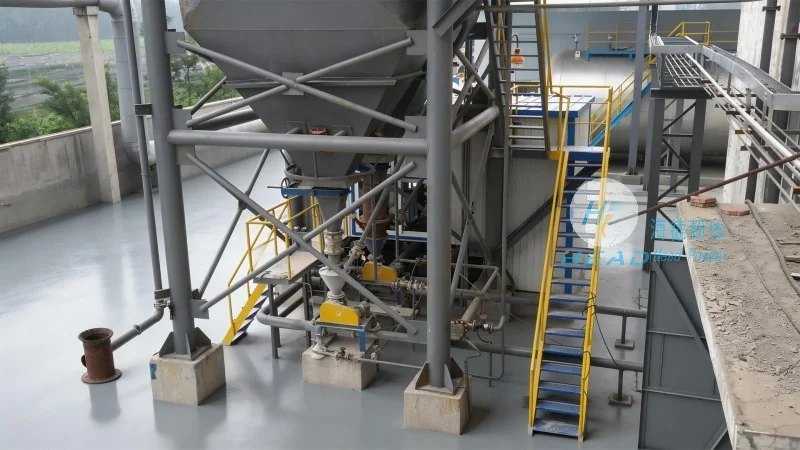
1. Mechanical Conveying Systems: Traditional and Reliable Solutions
Mechanical conveying systems have long been a staple in corn kernel transport due to their reliability and straightforward operation. These systems utilize mechanical components such as belts, buckets, and screws to move kernels horizontally or vertically. For example, belt conveyors are widely used for horizontal transport over short to medium distances, providing consistent and gentle handling of corn kernels. Screw conveyors, on the other hand, excel in vertical or inclined transport, making them ideal for elevating kernels from lower to higher levels in storage silos or processing lines. The choice of mechanical system often depends on factors like the distance to be covered, the required throughput, and the need for gentle handling to prevent kernel breakage or damage. Shandong HeadPowder Engineering Co., Ltd. offers customized mechanical conveyors that can be integrated with existing infrastructure, ensuring seamless operation and minimal disruption to current processes.
2. Pneumatic (Air) Conveying Systems: High-Volume and Flexible Transport
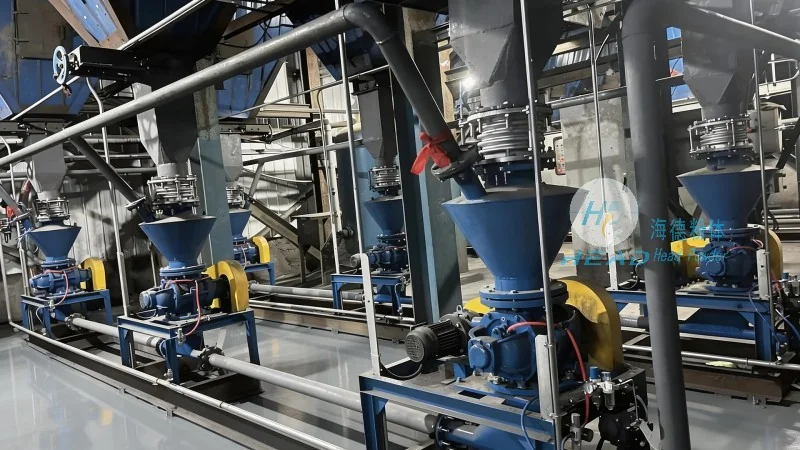
Pneumatic conveying systems utilize air pressure to move corn kernels through a network of pipes, offering a highly efficient method for transporting large volumes of material over longer distances. These systems are particularly advantageous in applications where mechanical systems may be impractical or where the need for gentle handling is paramount. There are two main types of pneumatic conveyors: positive displacement and pressure systems. Positive displacement systems use a pump to create a vacuum or pressure, drawing kernels into the pipe and transporting them to the destination. Pressure systems, conversely, use compressed air to push kernels through the pipeline. Both types can be configured for both horizontal and vertical transport, making them versatile for various corn processing facilities. Shandong HeadPowder Engineering Co., Ltd. specializes in designing pneumatic conveying systems that optimize air usage and minimize energy consumption, ensuring cost-effective and sustainable transport solutions. The company’s expertise in material flow dynamics allows for the selection of the most appropriate system based on the specific characteristics of the corn kernels, such as moisture content and particle size.
3. Hydraulic Conveying Systems: Gentle and Low-Pressure Handling
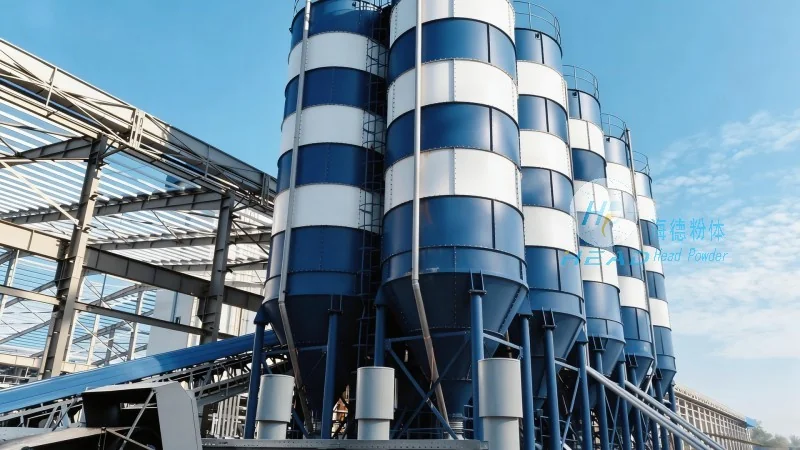
For applications requiring the gentlest possible handling of corn kernels, hydraulic conveying systems provide an excellent alternative. These systems use hydraulic pressure to move kernels through a closed loop system, typically involving a pump and a series of pipes. The hydraulic fluid creates a low-pressure environment that minimizes kernel breakage and ensures the preservation of the kernels’ quality. Hydraulic conveyors are particularly suitable for delicate kernels that may be susceptible to damage from mechanical stress, such as in the transport of high-value corn varieties used for food or specialty products. Shandong HeadPowder Engineering Co., Ltd. has developed advanced hydraulic conveying solutions that maintain consistent flow rates and pressure, ensuring reliable transport even in high-demand scenarios. The company’s focus on material compatibility and system durability ensures that hydraulic conveyors can withstand the rigors of continuous operation in corn processing facilities.
4. Combined Conveying Systems: Optimizing Efficiency and Flexibility
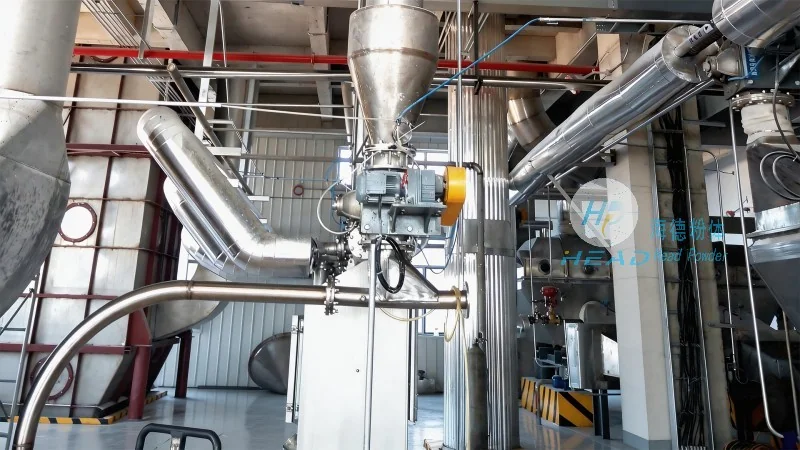
In many corn processing operations, a single conveying method may not be sufficient to meet all the demands of the facility. Combined or hybrid conveying systems, which integrate multiple technologies, offer a solution to optimize efficiency and flexibility. For instance, a system might combine a mechanical conveyor for short horizontal transport with a pneumatic conveyor for longer vertical or horizontal distances. This approach allows for the seamless transfer of kernels between different stages of processing, minimizing bottlenecks and maximizing throughput. Shandong HeadPowder Engineering Co., Ltd. specializes in designing integrated conveying systems that leverage the strengths of each technology, ensuring a customized solution that meets the specific needs of the client. The company’s engineering team works closely with clients to analyze their operational requirements, including production volume, kernel characteristics, and space constraints, to develop a hybrid system that maximizes efficiency and reduces operational costs.
5. Key Considerations for Selecting the Right Conveying Method
Choosing the appropriate corn kernel conveying method involves evaluating several critical factors to ensure optimal performance and cost-effectiveness. First, the distance and layout of the facility are crucial, as different systems are better suited for short or long distances. For example, mechanical systems are ideal for short horizontal distances, while pneumatic systems excel at longer distances. Second, the required throughput and production capacity must be considered, as higher volumes may necessitate more robust systems. Third, the need for gentle handling is important, especially for high-value or delicate kernels, which may require hydraulic or pneumatic systems over mechanical alternatives. Fourth, energy efficiency and operational costs are significant considerations, as the choice of system can impact long-term operational expenses. Shandong HeadPowder Engineering Co., Ltd. provides comprehensive consultation services to help clients evaluate these factors and select the most suitable conveying method. The company’s expertise in material handling and process engineering ensures that the chosen system not only meets current needs but also accommodates future growth and technological advancements.
Conclusion: Partnering with Shandong HeadPowder for Reliable Corn Kernel Conveyance
Efficient corn kernel conveyance is essential for maintaining the quality and integrity of this vital agricultural product. Whether through mechanical, pneumatic, hydraulic, or combined systems, the right conveying method can significantly enhance operational efficiency and reduce costs. Shandong HeadPowder Engineering Co., Ltd. stands as a trusted partner in providing advanced conveying solutions tailored to the unique needs of corn processing facilities. With a focus on innovation, reliability, and customer satisfaction, the company offers customized systems that optimize material flow, minimize downtime, and ensure the highest quality of corn kernels throughout the transport process. By leveraging their expertise in mechanical and pneumatic conveying technologies, Shandong HeadPowder Engineering Co., Ltd. helps clients achieve their operational goals while maintaining the integrity of their corn products. For businesses seeking reliable and efficient corn kernel conveyance solutions, partnering with Shandong HeadPowder Engineering Co., Ltd. ensures access to cutting-edge technology and expert guidance in designing the most suitable conveying system for their specific requirements.

 Công ty TNHH Kỹ thuật Công trình Bột Hải Đức Sơn Đông
 156-6277-7102(Quản lý Trương)
  0531-83386006
  Quận Chương Khâu, Thành phố Tế Nam, Tỉnh Sơn Đông, Trung Quốc
Điện thoại
WeChatTư vấn
Lên đầu