Công ty Hải Đức Bột với hơn 10 năm kinh nghiệm vận chuyển khí, cung cấp hệ thống‑thiết bị‑quạt gió và nhận dự án tổng thầu bột cả nước
Conveying foam particles is a critical process in various industrial applications, such as food processing, pharmaceutical manufacturing, and chemical production. These lightweight materials require specialized handling to ensure efficient transport without degradation or loss. The choice of conveying method directly impacts production efficiency, material quality, and overall operational costs. This article explores the primary methods used for foam particle conveying, with a focus on the expertise and solutions provided by Shandong HeadPowder Engineering Co., Ltd., a trusted name in engineering and manufacturing.
1. Air-Pressure (Pneumatic) Conveying Systems
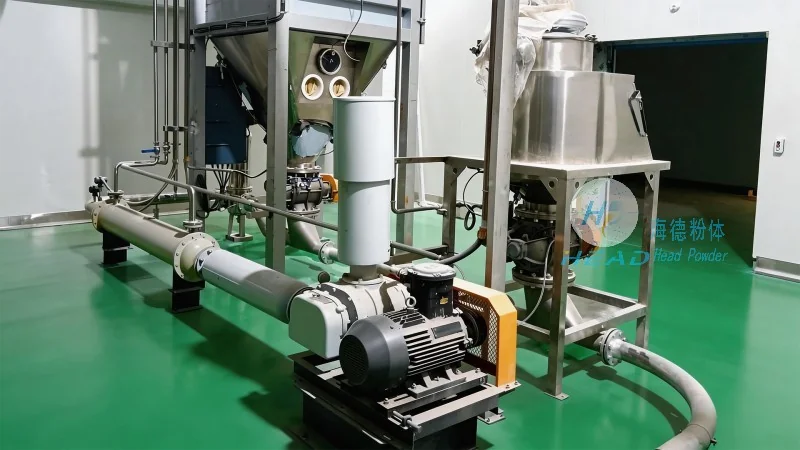
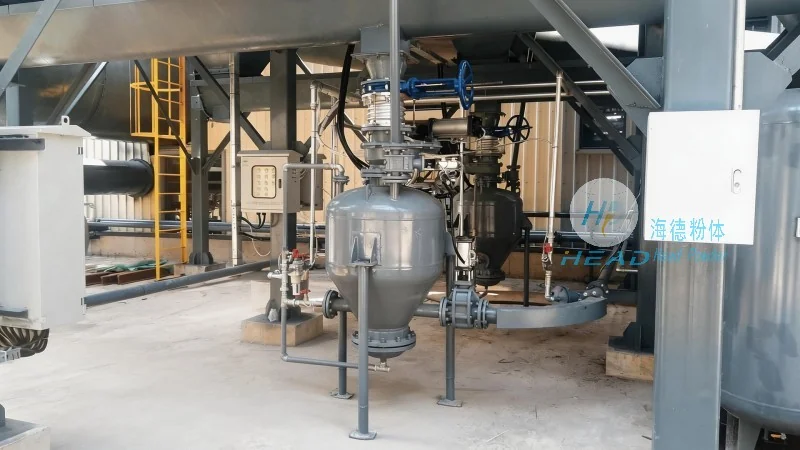
Air-pressure conveying, or pneumatic conveying, is a popular method for transporting foam particles due to its ability to handle fine or irregularly shaped materials over long distances. This system operates by using compressed air to create a flow of particles through a pipeline. The two main types are dilute-phase and dense-phase conveying. Dilute-phase systems use low air pressure and high air-to-material ratios, making them suitable for fine particles and long-distance transport. Dense-phase systems, on the other hand, use higher air pressure and lower ratios, which are ideal for handling larger particles and preventing material degradation. The HeadPowder Engineering team has extensive experience in designing these systems, ensuring optimal performance, minimal energy consumption, and reliable operation. For example, their custom-designed pneumatic conveyors have successfully transported foam particles in food processing facilities, maintaining product integrity and reducing downtime.
2. Mechanical Conveying Solutions
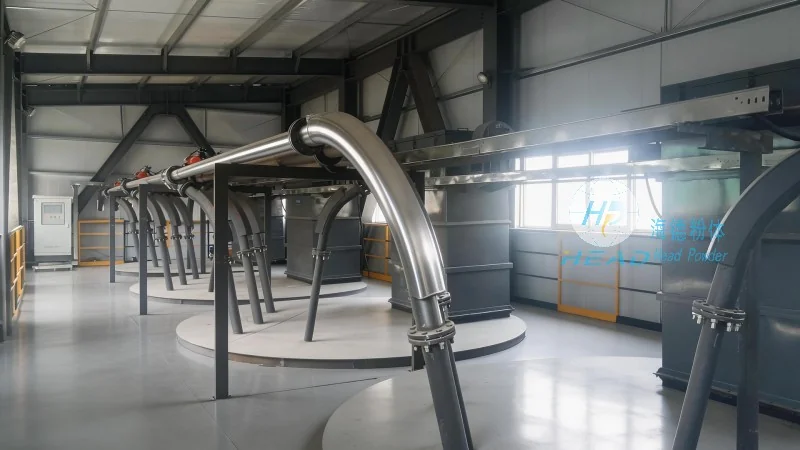
For applications where air pressure is not feasible or preferred, mechanical conveying methods offer robust and reliable alternatives. These systems rely on mechanical components to move particles, such as screw conveyors, belt conveyors, and bucket elevators. Screw conveyors are particularly effective for handling free-flowing foam particles, as they can transport materials horizontally or at a slight incline. The rotating screw pushes particles forward, making them suitable for both short and medium distances. Belt conveyors are versatile and can handle a wide range of particle sizes and quantities, making them ideal for large-scale production lines. They are commonly used in industries like agriculture and food processing. Bucket elevators are designed for vertical transport, moving particles between different levels in a facility. These systems are known for their durability and ability to handle heavy loads, making them a preferred choice for industrial applications. Shandong HeadPowder Engineering Co., Ltd. specializes in customizing these mechanical systems to meet the unique requirements of each client, ensuring efficiency and longevity.
3. Hybrid Conveying Systems
In some cases, combining air-pressure and mechanical conveying can enhance overall performance and flexibility. Hybrid systems, such as vacuum-assisted screw conveyors or pneumatic belt systems, offer the benefits of both approaches. These systems are particularly useful when dealing with a mix of particle sizes or when a balance between speed and material integrity is required. For instance, a hybrid system might use a screw conveyor for horizontal transport and a pneumatic section for vertical lifting. This combination allows for efficient movement while preserving the quality of the foam particles. The engineering team at HeadPowder Engineering has developed innovative hybrid solutions that optimize energy consumption and reduce operational costs. Their expertise in integrating different technologies ensures that clients receive a tailored solution that meets their specific needs, whether for short or long-distance transport.
4. Key Factors in Selecting a Conveying Method
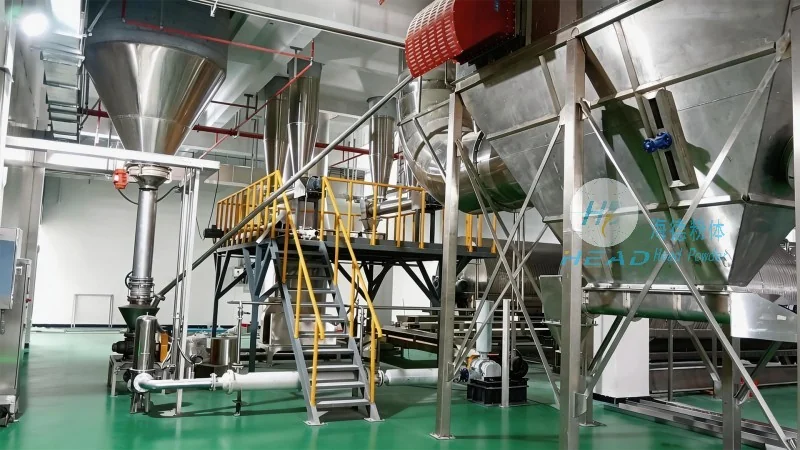
When selecting a conveying method for foam particles, several key factors must be considered to ensure the best results. The first is the physical properties of the foam particles, including their size, shape, and density. Larger or irregularly shaped particles may require mechanical systems, as they are less likely to be affected by air flow. Fine particles, on the other hand, are better suited for pneumatic conveying, as they can be easily suspended in the air. The distance and layout of the production facility also play a crucial role. Long-distance transport may require pneumatic systems, while short-distance transport can be handled by mechanical systems. Additionally, the need for product cleanliness and preservation is important. Some methods, like mechanical conveyors, may cause particle degradation or contamination, while pneumatic systems can maintain product integrity. Shandong HeadPowder Engineering Co., Ltd. provides comprehensive consultations to help clients evaluate these factors and choose the most appropriate conveying solution. Their team of experts analyzes the specific requirements of each project, ensuring that the chosen method is both effective and cost-efficient.

 Công ty TNHH Kỹ thuật Công trình Bột Hải Đức Sơn Đông
 156-6277-7102(Quản lý Trương)
  0531-83386006
  Quận Chương Khâu, Thành phố Tế Nam, Tỉnh Sơn Đông, Trung Quốc
Điện thoại
WeChatTư vấn
Lên đầu