Công ty Hải Đức Bột với hơn 10 năm kinh nghiệm vận chuyển khí, cung cấp hệ thống‑thiết bị‑quạt gió và nhận dự án tổng thầu bột cả nước
When it comes to the efficient handling and transportation of dry coffee beans or ground coffee, selecting the right conveying method is crucial for maintaining product quality and operational efficiency. Shandong HeadPowder Engineering Co., Ltd., a leading provider in the field, offers a range of solutions tailored to the specific needs of coffee processing facilities. This article explores the various methods available for dry coffee conveying, highlighting the advantages and applications of each approach.
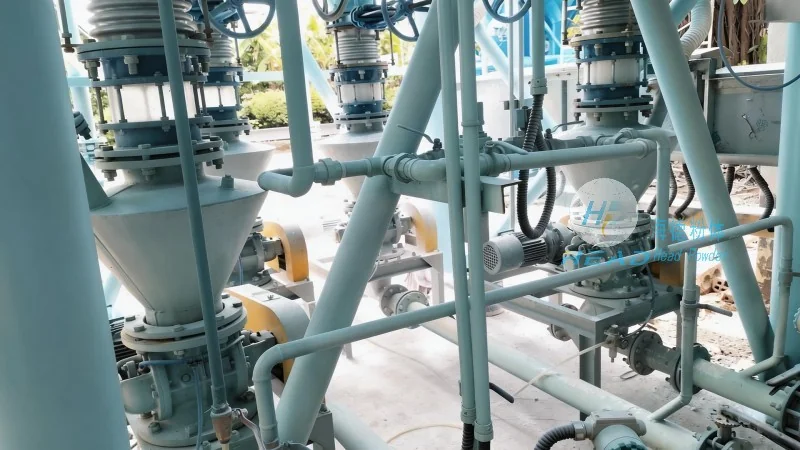
Understanding Dry Coffee Conveying Requirements
Before delving into specific conveying methods, it's essential to understand the key requirements for dry coffee handling. Coffee, whether in bean or ground form, is sensitive to moisture, temperature, and physical damage. Therefore, the chosen conveying system must ensure minimal product degradation, maintain consistent flow rates, and integrate seamlessly with existing processing lines. Factors such as product size, density, and the need for gentle handling play a significant role in determining the most suitable conveying method.
Common Dry Coffee Conveying Methods
Several methods are commonly employed in coffee processing plants to transport dry coffee. The selection depends on factors like the coffee's form (whole bean vs. ground), the required conveying distance, and the desired level of product protection. Below are some of the most effective methods used by industry professionals:
1. Screw Conveyors for Dry Coffee
Screw conveyors, also known as auger conveyors, are widely used for dry coffee conveying due to their simplicity and effectiveness. These systems consist of a rotating screw (auger) enclosed in a trough, which moves the coffee material forward through the conveyor. The screw's pitch and speed can be adjusted to control the flow rate, ensuring gentle handling of the coffee beans or grounds. Screw conveyors are particularly suitable for horizontal or slight incline applications, making them ideal for transporting coffee from storage silos to processing equipment. They are also effective in maintaining product integrity by minimizing exposure to air and preventing excessive friction that could lead to heat buildup or product degradation.
2. Pneumatic Conveying Systems
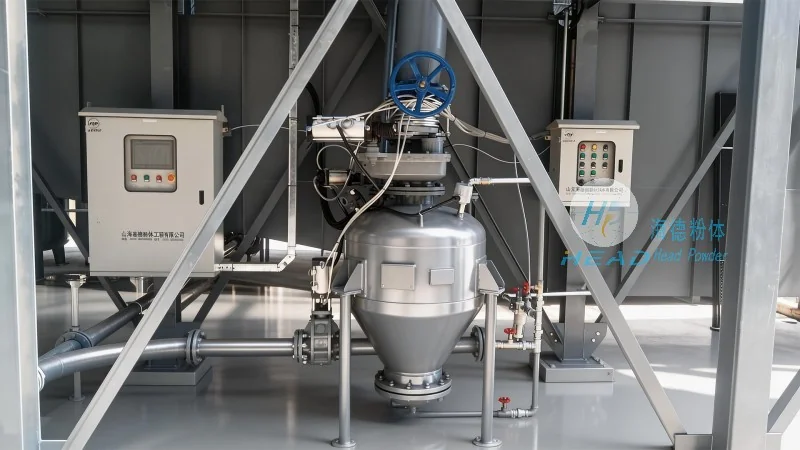
Pneumatic conveying, or air-based transport, is another popular method for dry coffee handling. This system uses compressed air to move coffee particles through a pipeline. There are two main types: pressure and vacuum systems. Pressure systems push the coffee material using compressed air, while vacuum systems draw it using a vacuum. Pneumatic conveying offers advantages such as the ability to transport coffee over longer distances and through vertical or horizontal paths without the need for multiple components. It also allows for the integration of cleaning and dust collection systems, which is beneficial for maintaining hygiene standards in coffee processing facilities. However, it's important to note that pneumatic systems may require more energy and can be more complex to maintain compared to mechanical conveyors.
3. Belt Conveyors for Bulk Coffee
Belt conveyors are commonly used for bulk handling of dry coffee, especially in large-scale processing operations. These systems consist of a continuous belt that moves over rollers or pulleys, transporting the coffee from one point to another. Belt conveyors are highly efficient for horizontal and slight incline applications and can handle large volumes of coffee with minimal labor. They are particularly useful for transporting coffee from raw material storage to the roasting or grinding stages. The key to effective belt conveying is ensuring the belt is properly tensioned and maintained to prevent product spillage or damage. Additionally, the use of appropriate belt materials, such as food-grade rubber, helps maintain product quality and hygiene.
4. Bucket Elevators for Vertical Coffee Transport
For applications requiring vertical transport of dry coffee, bucket elevators are an excellent choice. These systems consist of a series of buckets attached to a chain or belt that moves vertically, lifting the coffee material from a lower to a higher level. Bucket elevators are capable of handling large volumes of coffee and can transport it over significant vertical distances with high efficiency. They are commonly used to move coffee from storage bins to processing equipment located at different levels in the facility. The design of bucket elevators ensures that the coffee is lifted gently, minimizing breakage and maintaining product quality. However, it's important to ensure proper alignment and maintenance of the buckets and chain to prevent product spillage and ensure smooth operation.
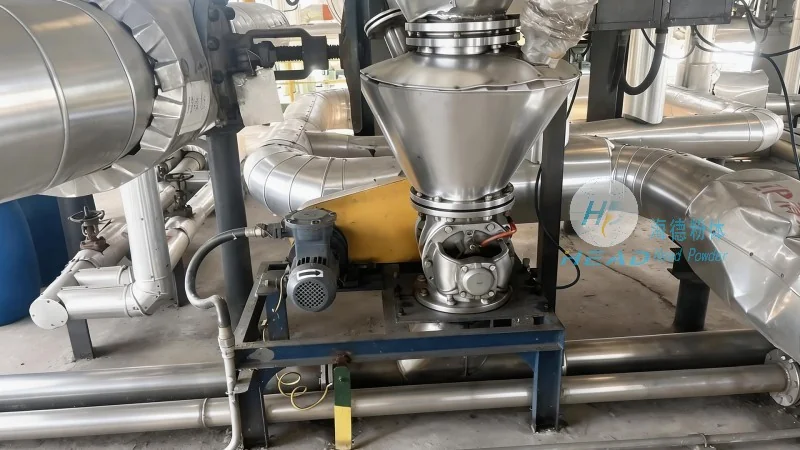
5. Vibrating Conveyors for Gentle Coffee Handling
Vibrating conveyors use vibrations to move dry coffee material along a trough. These systems are particularly effective for handling delicate products like coffee beans or ground coffee, as they provide gentle, consistent movement without the need for mechanical components that could cause friction or damage. Vibrating conveyors are suitable for both horizontal and slight incline applications and can be adjusted to control the flow rate and direction of the coffee. They are often used in combination with other conveying systems to ensure smooth transitions between different processing stages. The use of vibration also helps to aerate the coffee, which can be beneficial for preventing moisture buildup and maintaining product freshness.
Choosing the Right Dry Coffee Conveying Method
When selecting a dry coffee conveying method, it's important to consider several factors to ensure optimal performance and product quality. The first step is to assess the specific requirements of the coffee processing facility, including the type of coffee (whole bean or ground), the required conveying distance, and the desired level of product protection. It's also essential to evaluate the operational costs, including energy consumption, maintenance requirements, and initial investment. Additionally, the integration of the conveying system with existing processing equipment and the need for hygiene and safety standards should be considered.
Shandong HeadPowder Engineering Co., Ltd. specializes in providing customized conveying solutions for coffee processing facilities. Our team of experts works closely with clients to understand their specific needs and recommend the most suitable dry coffee conveying method. Whether it's a screw conveyor for gentle handling or a pneumatic system for long-distance transport, we offer a range of options designed to meet the highest standards of efficiency and product quality. By choosing the right conveying method, coffee processing facilities can ensure smooth operations, maintain product integrity, and enhance overall productivity.

 Công ty TNHH Kỹ thuật Công trình Bột Hải Đức Sơn Đông
 156-6277-7102(Quản lý Trương)
  0531-83386006
  Quận Chương Khâu, Thành phố Tế Nam, Tỉnh Sơn Đông, Trung Quốc
Điện thoại
WeChatTư vấn
Lên đầu