Công ty Hải Đức Bột với hơn 10 năm kinh nghiệm vận chuyển khí, cung cấp hệ thống‑thiết bị‑quạt gió và nhận dự án tổng thầu bột cả nước
When it comes to the efficient and reliable transportation of PVC resin, selecting the right conveying method is crucial for industrial operations. The choice of method depends on factors such as the resin type, processing scale, environmental conditions, and the specific requirements of the production line. In this article, we will explore several common methods used for PVC resin conveying, highlighting their advantages, applications, and operational considerations. As a leading provider of material handling solutions, Shandong HeadPowder Engineering Co., Ltd. specializes in designing and implementing systems tailored to the unique needs of PVC resin processing facilities.
PVC Resin Conveying Methods
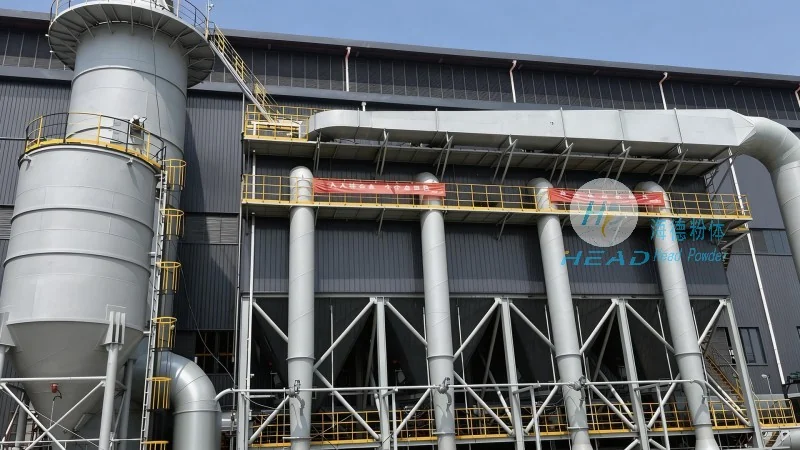
There are multiple approaches to move PVC resin from storage to processing equipment. Each method has its own set of characteristics that make it suitable for different scenarios. The primary methods include pneumatic conveying, screw conveyors, and pipeline systems, among others. Understanding these options allows manufacturers to optimize their material handling processes and enhance overall productivity.
Pneumatic Conveying for PVC Resin
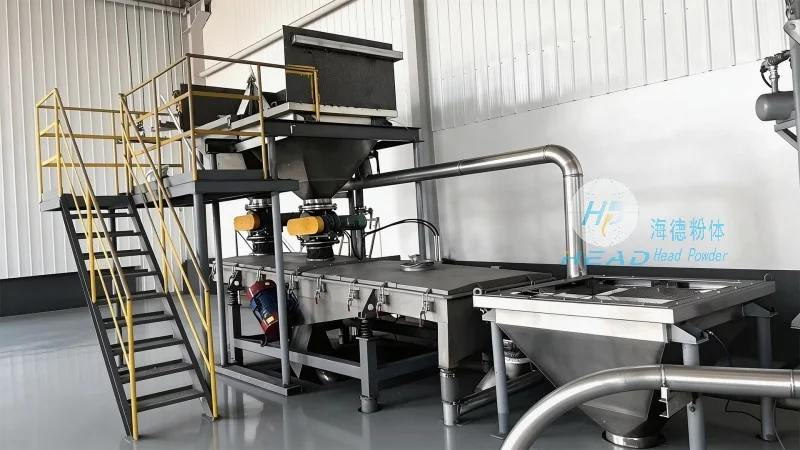
Pneumatic conveying is a widely used technique for transporting PVC resin, especially in applications where dust control and minimal contamination are critical. This method utilizes air pressure to move the resin through a sealed system. There are two main types: pressure and vacuum systems. In pressure systems, air is forced into a hopper or storage tank, pushing the resin through a pipeline to the processing unit. Vacuum systems, on the other hand, draw air and resin into a collection point using a vacuum pump. Pneumatic conveying is particularly effective for handling fine or powdery PVC resins, as it minimizes material degradation and reduces the risk of dust exposure. It is commonly employed in polymer manufacturing plants where hygiene and product purity are paramount.
Screw Conveyors for PVC Resin Handling
Screw conveyors, also known as auger conveyors, are another popular choice for PVC resin conveying. These devices consist of a rotating screw (auger) enclosed in a trough or tube, which moves the resin along the length of the conveyor. Screw conveyors are suitable for both horizontal and inclined transport, making them versatile for various production layouts. They are particularly effective for handling bulk quantities of PVC resin, as they can maintain a consistent flow rate and minimize material segregation. The design of the screw (e.g., solid or ribbon type) and the speed of rotation can be adjusted to suit the specific characteristics of the resin, such as its moisture content or particle size. Screw conveyors are often used in combination with other equipment, such as mixers or extruders, to ensure smooth material transfer throughout the production process.
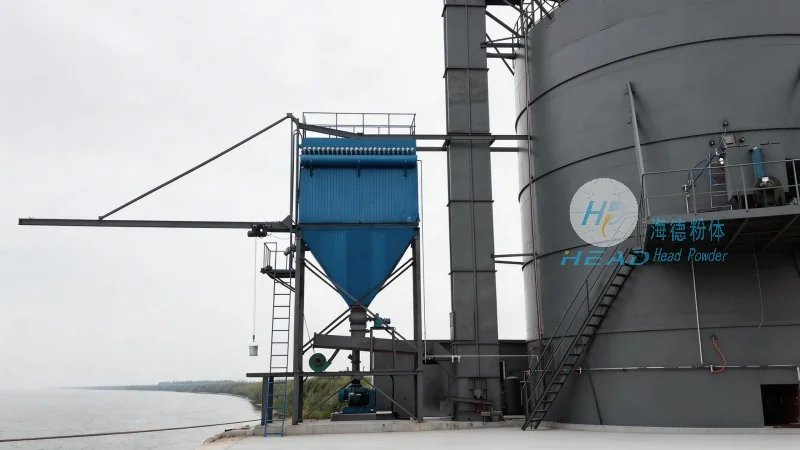
Pipeline Conveying Systems
Pipeline conveying systems represent a more advanced approach to PVC resin transportation, often used in large-scale industrial operations. These systems involve the use of flexible or rigid hoses or pipes to transport the resin under pressure. The resin is typically mixed with a carrier fluid (such as water or a special liquid) to form a slurry, which is then pumped through the pipeline to the processing site. This method is highly efficient for long-distance transport and can handle large volumes of material with minimal energy consumption. Pipeline conveying is particularly advantageous in applications where continuous operation is required, as it allows for uninterrupted material flow. However, it requires careful maintenance to prevent clogging or leakage, and the system must be designed to accommodate the specific rheological properties of the PVC resin.
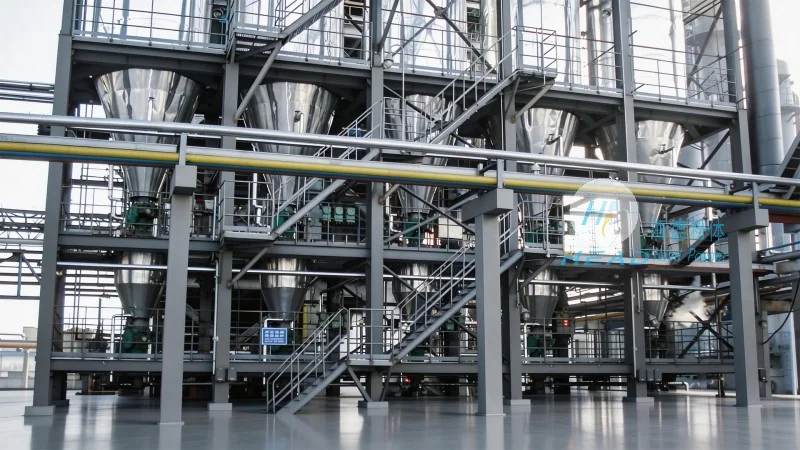
Selection Criteria for PVC Resin Conveying Methods
The choice of PVC resin conveying method should be based on a thorough evaluation of several factors. First, the physical properties of the resin, including its particle size, moisture content, and flowability, play a significant role. Resins with high moisture content or fine particles may require pneumatic conveying to avoid clogging or degradation. Second, the scale of the operation is important; large-scale plants may benefit from pipeline systems or screw conveyors, while smaller facilities might opt for simpler methods like manual handling or small-scale pneumatic systems. Third, environmental considerations, such as dust control and safety, should be addressed. Pneumatic systems, for example, offer better containment compared to open screw conveyors. Finally, cost and maintenance requirements must be considered. While pneumatic systems may have higher initial costs, they can reduce long-term operational expenses by minimizing material loss and equipment wear.
Conclusion
In conclusion, the selection of an appropriate PVC resin conveying method is essential for optimizing industrial processes and ensuring product quality. By understanding the characteristics of different methods—such as pneumatic conveying, screw conveyors, and pipeline systems—manufacturers can choose the most suitable option for their specific needs. Each method offers unique advantages and limitations, and the decision should be based on a comprehensive assessment of operational requirements, material properties, and cost factors. As the demand for PVC products continues to grow, efficient material handling remains a critical aspect of production, and the right conveying method can significantly impact overall efficiency and profitability.

 Công ty TNHH Kỹ thuật Công trình Bột Hải Đức Sơn Đông
 156-6277-7102(Quản lý Trương)
  0531-83386006
  Quận Chương Khâu, Thành phố Tế Nam, Tỉnh Sơn Đông, Trung Quốc
Điện thoại
WeChatTư vấn
Lên đầu