Công ty Hải Đức Bột với hơn 10 năm kinh nghiệm vận chuyển khí, cung cấp hệ thống‑thiết bị‑quạt gió và nhận dự án tổng thầu bột cả nước
When it comes to transporting limestone powder granules, selecting the right conveying method is crucial for efficiency, cost-effectiveness, and operational safety. Limestone powder, often used in construction, industrial applications, and environmental projects, requires reliable transport solutions that can handle its fine particle size and potential dust issues. Various methods have been developed to address these challenges, each with its own advantages and applications.
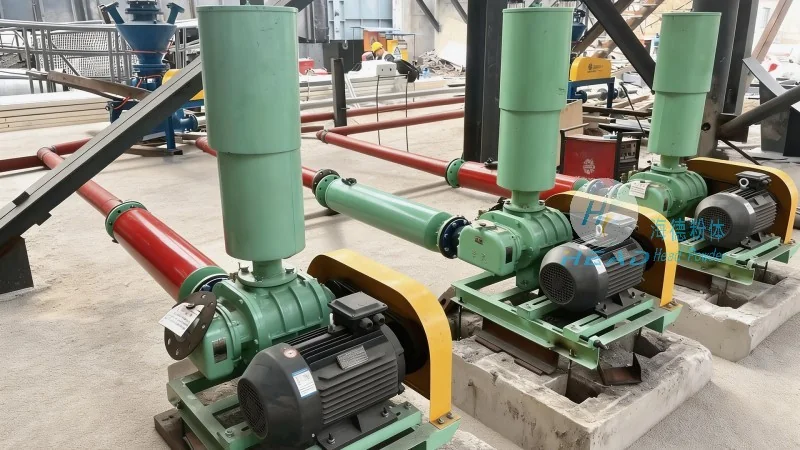
About HeadPowder Engineering Co., Ltd.
HeadPowder, a leading provider of specialized conveying solutions, is based in Shandong, China. With years of experience in the industry, the company focuses on delivering high-quality equipment and systems tailored to the unique needs of limestone powder handling. The company’s headquarters in Shandong positions it to serve a wide range of clients, from small-scale operations to large industrial facilities, ensuring that clients receive expert guidance and support throughout the process.
Common Conveying Methods for Limestone Powder Granules
Several methods are commonly employed for limestone powder granule transport, each suited to different operational requirements. The primary options include mechanical conveying systems, such as belt conveyors and screw conveyors, and pneumatic conveying systems, including positive pressure and negative pressure designs. Each method has distinct characteristics that make it suitable for specific scenarios, such as material flow rate, distance, and environmental considerations.
Mechanical Conveying Systems
Mechanical conveying systems are widely used for limestone powder granule transport due to their reliability and simplicity. Belt conveyors, for instance, are ideal for horizontal or slight incline transport, capable of handling large volumes of material over moderate distances. They are particularly effective when the material is dry and free-flowing, as they minimize dust generation and provide consistent performance. Screw conveyors, on the other hand, are suitable for vertical or inclined transport, offering a compact design that is easy to install and maintain. These systems are often used in confined spaces or when vertical elevation is required, making them a versatile choice for limestone powder handling.
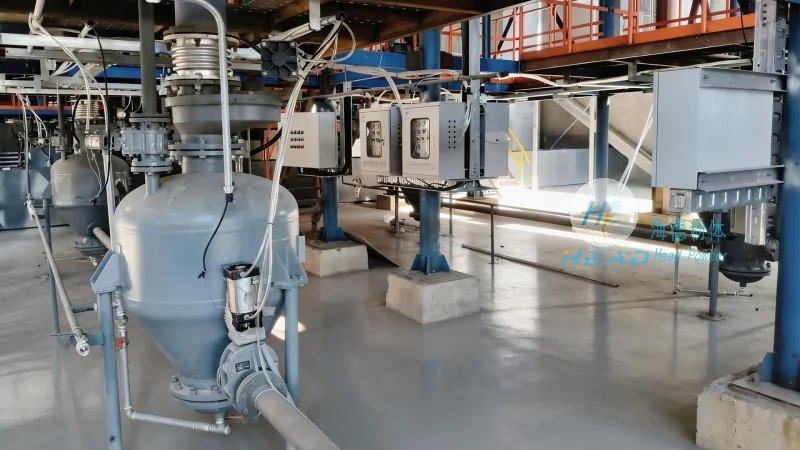
Pneumatic Conveying Systems
Pneumatic conveying systems utilize air to transport limestone powder granules, offering advantages such as flexibility and the ability to handle fine particles that may be difficult to move with mechanical systems. Positive pressure systems, where air is blown into the conveying line, are commonly used for short to medium distances, as they require less pressure and are less prone to clogging. Negative pressure systems, which draw material into the line using suction, are better suited for longer distances or when the material needs to be transported from multiple points. Both types can be designed to handle varying flow rates and particle sizes, ensuring efficient and safe transport of limestone powder granules.
Advanced Conveying Solutions
For more complex applications, advanced conveying solutions may be employed. These include combined systems that integrate mechanical and pneumatic components, providing enhanced flexibility and efficiency. For example, a system might use a screw conveyor to feed material into a pneumatic line, allowing for both vertical and horizontal transport in a single setup. Such hybrid systems are particularly useful in industrial settings where space is limited and material needs to be moved over long distances with high accuracy. Additionally, modern pneumatic systems often incorporate features like air filtration and dust collection to minimize environmental impact and ensure compliance with safety regulations.
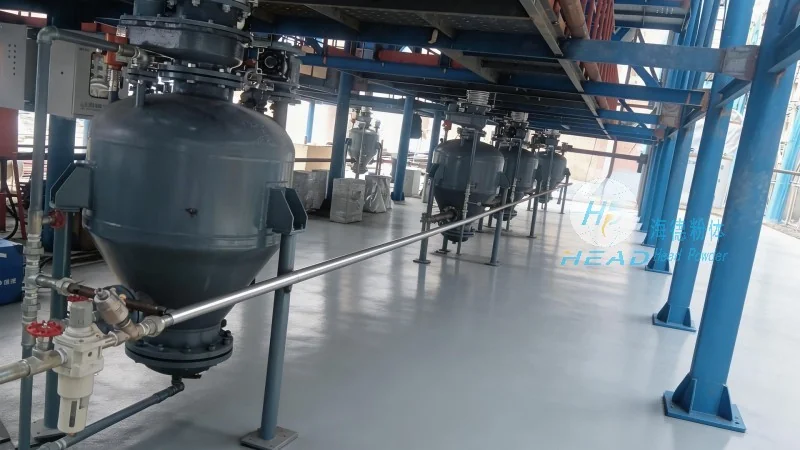
Factors to Consider When Choosing a Conveying Method
When selecting a conveying method for limestone powder granules, several factors must be taken into account. The first is the material’s properties, including particle size, moisture content, and flowability. Fine particles may require pneumatic systems to avoid clogging, while coarser materials might be better suited for mechanical conveyors. The distance and layout of the transport route are also critical, as they determine whether a short-range system or a long-distance solution is needed. Additionally, operational costs, including energy consumption and maintenance requirements, play a significant role in the decision-making process. Finally, safety and environmental considerations, such as dust control and compliance with local regulations, must be addressed to ensure a sustainable and safe operation.
HeadPowder’s Conveying Solutions for Limestone Powder Granules
HeadPowder Engineering Co., Ltd. offers a range of conveying solutions tailored to the specific needs of limestone powder granule transport. The company’s expertise in mechanical and pneumatic systems allows it to provide customized designs that meet the unique requirements of each client. Whether a client needs a simple belt conveyor for short-distance transport or a complex hybrid system for large-scale industrial applications, HeadPowder can deliver a solution that maximizes efficiency and minimizes downtime. The company’s products are designed with durability and reliability in mind, ensuring long-term performance and low maintenance costs. Additionally, HeadPowder provides comprehensive support, including installation, maintenance, and technical assistance, to help clients optimize their conveying systems and achieve their operational goals.

 Công ty TNHH Kỹ thuật Công trình Bột Hải Đức Sơn Đông
 156-6277-7102(Quản lý Trương)
  0531-83386006
  Quận Chương Khâu, Thành phố Tế Nam, Tỉnh Sơn Đông, Trung Quốc
Điện thoại
WeChatTư vấn
Lên đầu