Công ty Hải Đức Bột với hơn 10 năm kinh nghiệm vận chuyển khí, cung cấp hệ thống‑thiết bị‑quạt gió và nhận dự án tổng thầu bột cả nước
When it comes to the efficient handling and transportation of foam powder, selecting the right conveying method is crucial for maintaining product integrity and operational efficiency. As a leading provider in the field, Shandong HeadPowder Engineering Co., Ltd. specializes in solutions tailored to various industrial needs, ensuring that foam powder is moved safely and effectively from one point to another. This article explores the common methods used for foam powder conveying, highlighting the key considerations and applications for each approach.
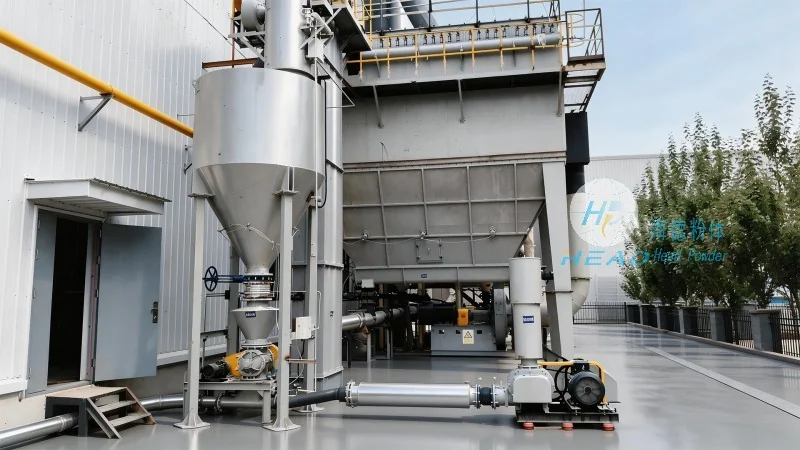
Understanding Foam Powder Conveying: The Foundation of Efficient Material Handling
Before delving into specific methods, it's essential to understand the unique properties of foam powder that influence conveying choices. Foam powder, characterized by its lightweight, porous structure and potential for static charge accumulation, requires specialized equipment to prevent degradation, clogging, or loss of material. The choice of conveying method depends on factors such as the powder's bulk density, flowability, moisture content, and the distance it needs to travel. At Shandong HeadPowder Engineering Co., Ltd., our expertise lies in matching the right conveying system to these variables, ensuring optimal performance and minimal downtime.
Common Methods for Foam Powder Conveying
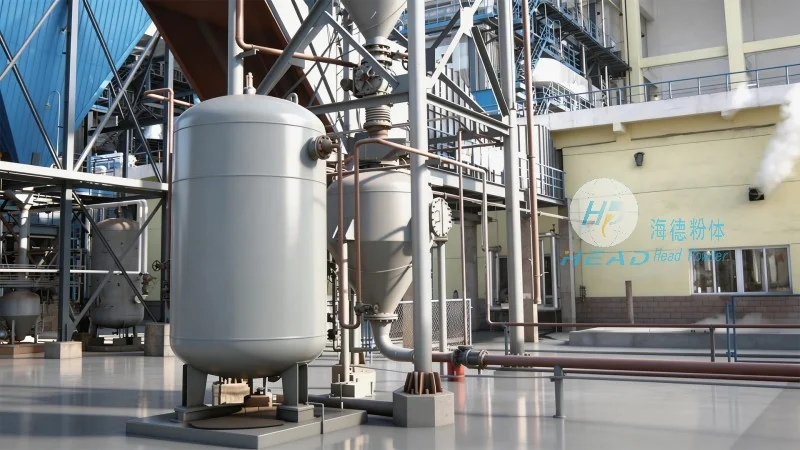
Several methods are widely used in industrial settings for foam powder conveying, each with its own advantages and suitable applications. The most common approaches include mechanical conveying systems, such as screw conveyors and belt conveyors, as well as pneumatic conveying systems, including positive displacement blowers and vacuum pumps. Each method offers distinct benefits, and the selection depends on the specific requirements of the operation.
Mechanical Conveying Systems: Reliability and Versatility
Mechanical conveying systems are among the most traditional and widely adopted methods for foam powder handling. These systems rely on mechanical components to move material through a closed or open channel. One of the primary advantages of mechanical conveyors is their ability to handle a wide range of powder types, including those with high moisture content or abrasive properties. For foam powder, screw conveyors are particularly effective due to their ability to maintain a consistent flow rate and minimize material degradation. The helical screw rotates within a trough, pushing the powder forward without the need for air, which helps prevent static charge buildup. Belt conveyors, on the other hand, are ideal for longer distances and larger volumes, using a continuous belt to transport the powder from one location to another. Both systems are designed to be durable and low-maintenance, making them suitable for continuous industrial operations.
Pneumatic Conveying Systems: Air-Assisted Efficiency
Pneumatic conveying systems utilize air or gas to transport foam powder through a pipeline. This method is particularly advantageous for applications requiring dust-free or enclosed environments, as it eliminates the need for open chutes or hoppers. Positive displacement blowers and vacuum pumps are the two main types of pneumatic systems used for foam powder conveying. Positive displacement blowers operate by forcing air into the pipeline, creating a pressure differential that moves the powder forward. This method is suitable for short to medium distances and can handle high-volume flows. Vacuum pumps, conversely, create a negative pressure in the pipeline, drawing the powder into the system. This approach is ideal for applications where the powder needs to be transported from a lower to a higher elevation or over longer distances. Pneumatic systems are also effective in preventing cross-contamination and maintaining product purity, which is critical for foam powder used in sensitive applications.
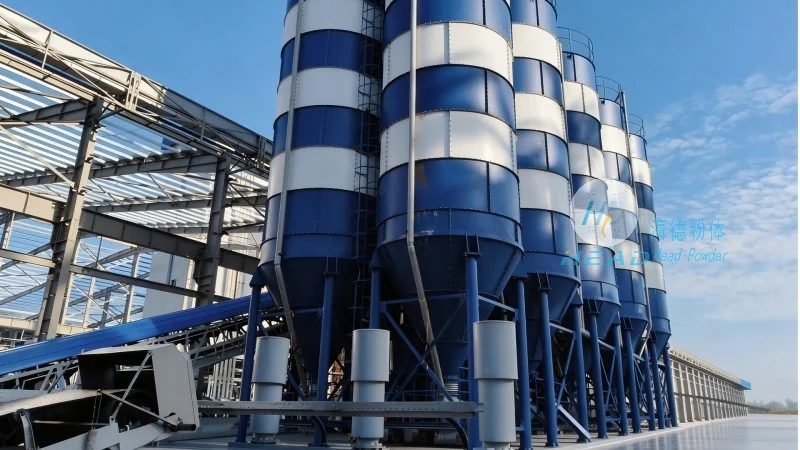
Hybrid Conveying Systems: Combining the Best of Both Worlds
In some cases, combining mechanical and pneumatic elements into a hybrid system can offer the most efficient solution for foam powder conveying. For example, a screw conveyor might be used to feed a pneumatic system, ensuring that the powder is pre-processed before being transported through the pipeline. This approach allows for better control over the flow rate and reduces the risk of clogging in the pneumatic line. Hybrid systems are particularly useful when dealing with foam powders that have varying flow properties or when the conveying distance is significant. At Shandong HeadPowder Engineering Co., Ltd., we design custom hybrid systems that integrate the strengths of both mechanical and pneumatic conveying, providing our clients with tailored solutions that meet their specific operational needs.
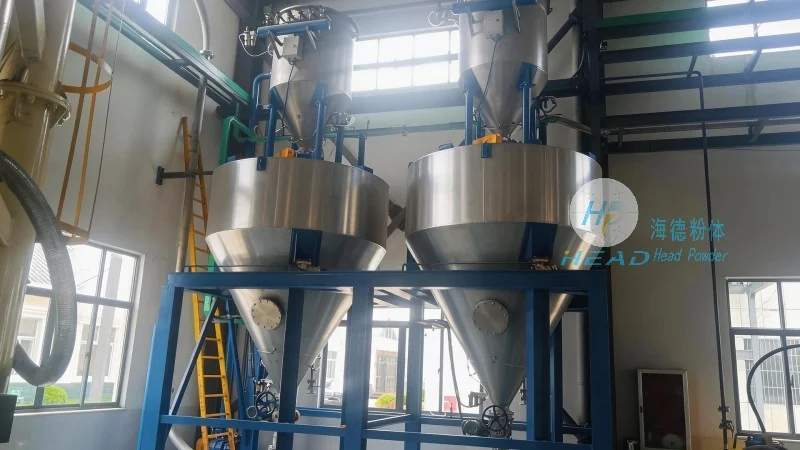
Key Considerations for Selecting the Right Foam Powder Conveying Method
When choosing a conveying method for foam powder, several factors must be taken into account to ensure optimal performance and safety. First, the physical properties of the foam powder, such as its bulk density and flowability, play a critical role in determining the most suitable system. Powders with low bulk density may require higher air velocities in pneumatic systems to maintain flow, while those with poor flowability may benefit from mechanical systems that provide gentle agitation. Second, the distance and elevation changes between the source and destination points are important considerations. Longer distances or significant vertical lifts may necessitate more powerful pneumatic systems or hybrid solutions. Third, the need for dust control and product containment is a key factor, especially in applications where foam powder is used in food, pharmaceutical, or high-purity industries. Mechanical systems with enclosed hoppers and chutes are often preferred in such cases to prevent dust emissions. Finally, operational costs, including energy consumption and maintenance requirements, should be evaluated when selecting a conveying method. Mechanical systems generally have lower energy costs compared to pneumatic systems, but may require more frequent maintenance due to moving parts.
Conclusion: Choosing the Right Foam Powder Conveying Solution
Efficient foam powder conveying is essential for maintaining product quality, reducing downtime, and improving overall operational efficiency. By understanding the unique properties of foam powder and the advantages of different conveying methods, industrial facilities can select the most suitable system for their needs. Shandong HeadPowder Engineering Co., Ltd. offers a range of conveying solutions, including mechanical and pneumatic systems, as well as custom hybrid designs, to meet the diverse requirements of our clients. Our expertise in foam powder handling ensures that we provide reliable, effective, and cost-efficient solutions that help our clients achieve their production goals. Whether you need to transport foam powder over short distances or long distances, vertically or horizontally, our team at Shandong HeadPowder Engineering Co., Ltd. is ready to assist you in selecting the right conveying method for your application.

 Công ty TNHH Kỹ thuật Công trình Bột Hải Đức Sơn Đông
 156-6277-7102(Quản lý Trương)
  0531-83386006
  Quận Chương Khâu, Thành phố Tế Nam, Tỉnh Sơn Đông, Trung Quốc
Điện thoại
WeChatTư vấn
Lên đầu