Công ty Hải Đức Bột với hơn 10 năm kinh nghiệm vận chuyển khí, cung cấp hệ thống‑thiết bị‑quạt gió và nhận dự án tổng thầu bột cả nước
High-temperature fine powder conveying is a critical process in various industrial applications, particularly in sectors such as cement, power generation, and chemical manufacturing. The efficient and safe transport of these materials requires specialized equipment and methods to handle the unique challenges posed by high temperatures and fine particle sizes. In this article, we will explore the common methods used for high-temperature fine powder conveying, focusing on the technical aspects and practical considerations for each approach.
Overview of High-Temperature Fine Powder Conveying
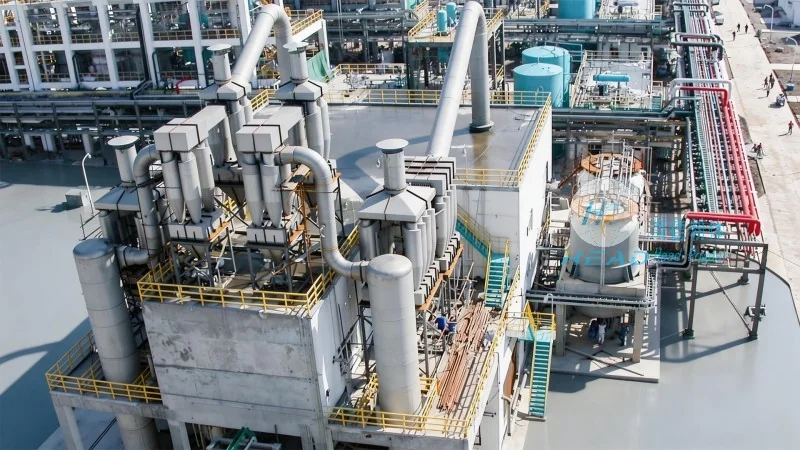
Before delving into specific methods, it is essential to understand the fundamental requirements for conveying high-temperature fine powders. These materials often have low bulk density, high reactivity, and the potential to cause heat-related issues if not handled properly. The primary goals of any conveying system are to ensure reliable transport, minimize material degradation, and maintain operational safety. The choice of conveying method depends on factors like material properties, temperature ranges, system capacity, and environmental considerations.
Common Conveying Methods for High-Temperature Fine Powders
Several methods are widely used for high-temperature fine powder conveying, each with its own advantages and limitations. The most common approaches include positive pressure pneumatic conveying, negative pressure pneumatic conveying, screw conveyors, and belt conveyors. Each method is suited to different operational conditions and material characteristics.
Positive Pressure Pneumatic Conveying
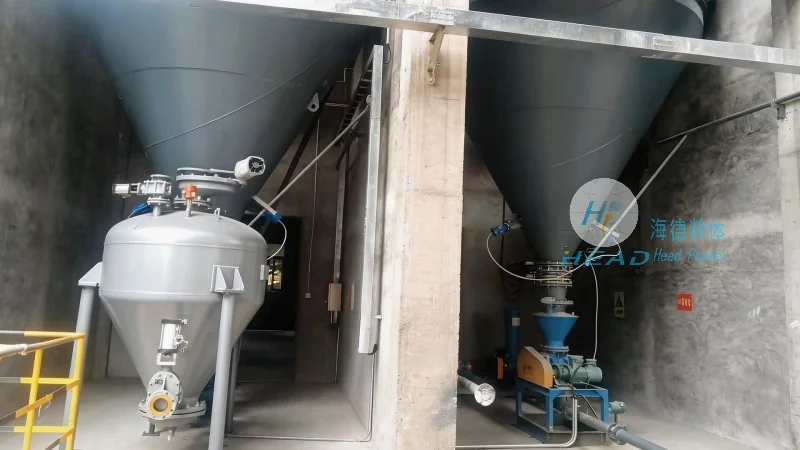
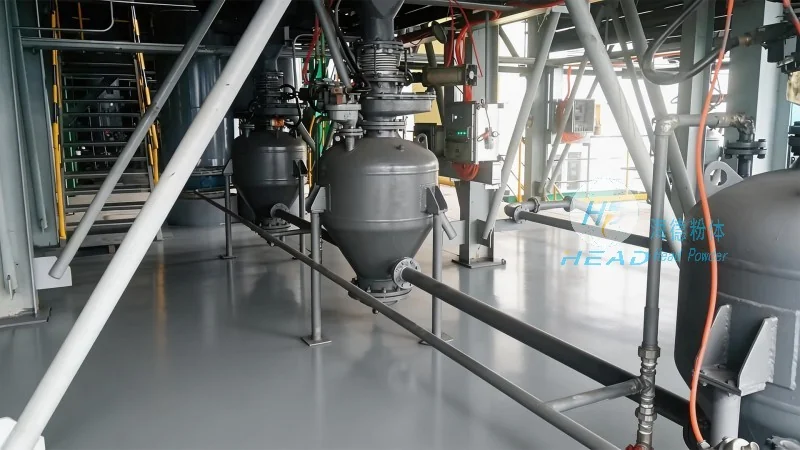
Positive pressure pneumatic conveying systems operate by blowing air or gas into the conveying line, creating a positive pressure that pushes the material forward. This method is particularly effective for high-temperature applications as it can handle materials at elevated temperatures without the need for additional heating or cooling. The system typically consists of a blower, a hopper, and a pipeline network. The high-temperature fine powders are fed into the hopper and then drawn into the pipeline by the positive pressure, ensuring continuous and efficient transport. Positive pressure systems are known for their ability to handle long distances and multiple delivery points, making them suitable for large-scale industrial operations. However, they require careful consideration of air filtration and pressure management to prevent material degradation and ensure system efficiency.
Negative Pressure Pneumatic Conveying
Negative pressure pneumatic conveying, also known as suction conveying, operates by creating a vacuum in the conveying line to draw the material from the source. This method is often preferred for applications where the material is sensitive to high pressures or where the source is located at a higher elevation. The system includes a vacuum pump, a hopper, and a pipeline that draws the material into the system. For high-temperature fine powders, negative pressure systems must be designed to withstand the thermal stresses and ensure that the material does not degrade due to exposure to the vacuum environment. This method is generally more suitable for shorter distances and lower material flow rates compared to positive pressure systems. It is also important to consider the impact of temperature on the vacuum pump performance and the overall system efficiency.
Screw Conveyors for High-Temperature Applications
Screw conveyors are a popular choice for conveying high-temperature fine powders due to their simplicity and reliability. These systems use a rotating screw (or auger) to move the material along a trough. The screw is typically made of heat-resistant materials such as stainless steel or special alloys to withstand the high temperatures involved. Screw conveyors are effective for handling materials with moderate temperatures and can be designed to operate continuously or intermittently. They are particularly useful for applications where the material needs to be mixed or blended during transport. However, screw conveyors have limitations when dealing with very fine powders, as the material can easily clog the screw or the trough. To mitigate this, the screw design may include special flights or a self-cleaning mechanism. Additionally, the material may experience some degradation due to friction and heat generation within the system.
Belt Conveyors for High-Temperature Fine Powder Transport
Belt conveyors are another common method for transporting high-temperature fine powders, especially in applications where the material is abrasive or has a high bulk density. These systems use a continuous belt to move the material from the source to the destination. The belt is typically made of heat-resistant materials such as rubber or special polymers, and the idlers and pulleys are designed to withstand the thermal stresses. Belt conveyors are capable of handling large volumes of material and can operate over long distances. They are particularly effective for horizontal or slightly inclined transport, as the material is carried on the belt surface. However, belt conveyors may require additional measures to prevent material spillage and to maintain the integrity of the belt under high-temperature conditions. The system must also be designed to handle the potential for material buildup and to ensure proper ventilation to prevent overheating.
Selection Criteria for High-Temperature Fine Powder Conveying Systems
The selection of the most appropriate conveying method for high-temperature fine powders depends on several key factors. First, the material properties, including particle size, moisture content, and thermal stability, must be carefully evaluated. Materials with very fine particles may require specialized equipment to prevent clogging and ensure efficient transport. Second, the temperature range of the material is critical, as different systems have varying temperature limits. For instance, some pneumatic systems are designed to handle temperatures up to 500°C, while others may be limited to lower temperatures. Third, the system capacity and required conveying distance are important considerations. Positive pressure systems are generally preferred for long distances and high capacities, while negative pressure systems may be more suitable for shorter distances and lower flow rates. Fourth, operational costs, including energy consumption and maintenance requirements, should be taken into account. Finally, environmental and safety regulations must be considered, as high-temperature fine powders may pose health and safety risks if not handled properly.
Conclusion
In conclusion, high-temperature fine powder conveying is a complex process that requires careful consideration of various factors to ensure efficient and safe operation. The common methods discussed, including positive and negative pressure pneumatic conveying, screw conveyors, and belt conveyors, each offer unique advantages and are suited to different industrial applications. The choice of system depends on the specific material properties, operational requirements, and environmental considerations. By understanding the technical aspects and practical considerations of each method, industrial operators can select the most appropriate conveying system to meet their needs. As a leading provider in the field, Shandong HeadPowder Engineering Co., Ltd. specializes in designing and manufacturing high-quality conveying systems tailored to the unique demands of high-temperature fine powder applications. With a focus on reliability, efficiency, and safety, HeadPowder offers solutions that help industries optimize their material handling processes and enhance overall operational performance.

 Công ty TNHH Kỹ thuật Công trình Bột Hải Đức Sơn Đông
 156-6277-7102(Quản lý Trương)
  0531-83386006
  Quận Chương Khâu, Thành phố Tế Nam, Tỉnh Sơn Đông, Trung Quốc
Điện thoại
WeChatTư vấn
Lên đầu