Công ty Hải Đức Bột với hơn 10 năm kinh nghiệm vận chuyển khí, cung cấp hệ thống‑thiết bị‑quạt gió và nhận dự án tổng thầu bột cả nước
When it comes to handling sawdust particles in industrial settings, selecting the right conveying method is crucial for efficiency, cost-effectiveness, and operational safety. As a leading provider in the field, Shandong HeadPowder Engineering Co., Ltd. specializes in delivering reliable solutions tailored to the unique needs of sawdust processing operations. This article explores the common methods used for sawdust particle conveying, highlighting key considerations and applications.
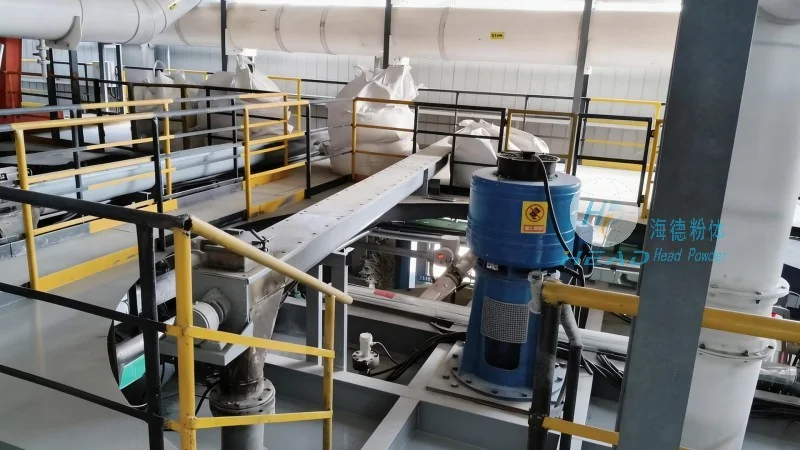
Understanding Sawdust Particle Characteristics for Effective Conveying
Before delving into specific conveying methods, it's essential to understand the physical and chemical properties of sawdust particles. Sawdust typically consists of fine wood particles with varying sizes, moisture content, and density. These characteristics directly impact the choice of conveying system. For instance, high moisture content can affect the flowability of sawdust, while particle size influences the selection of equipment such as hoppers, chutes, and pumps. Shandong HeadPowder Engineering Co., Ltd. emphasizes the importance of assessing these factors to ensure optimal conveying performance.
Common Conveying Methods for Sawdust Particles
Several methods are commonly employed for transporting sawdust particles, each with its own advantages and limitations. The selection of a method depends on factors like the volume of material, distance to be conveyed, and the specific requirements of the processing plant. Below are some of the most widely used approaches:
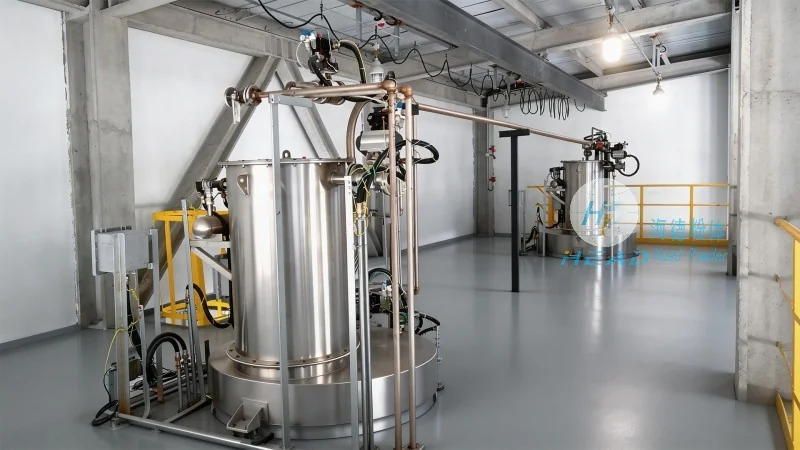
1. Gravity Conveying Systems
Gravity conveying relies on the natural downward movement of sawdust particles under the influence of gravity. This method is often used for short distances and when the material has sufficient flowability. In gravity systems, sawdust is fed into a sloped chute or conveyor, allowing it to move from a higher to a lower elevation. The design of the chute, including its angle and smoothness, is critical to prevent blockages and ensure consistent flow. Shandong HeadPowder Engineering Co., Ltd. offers customized gravity conveyor solutions that optimize the slope and material handling capacity based on the specific sawdust characteristics.
2. Mechanical Conveying Systems
For longer distances or when gravity alone is insufficient, mechanical conveying systems are preferred. These systems utilize mechanical power to move sawdust particles. Common mechanical methods include belt conveyors, screw conveyors, and pneumatic conveyors. Belt conveyors are widely used for horizontal or slightly inclined transport, capable of handling large volumes of sawdust. Screw conveyors, also known as auger conveyors, are effective for vertical or inclined transport, especially when dealing with dry or fibrous sawdust. Pneumatic conveyors, or air-powered systems, use compressed air to transport sawdust particles through a pipeline. This method is ideal for applications requiring dust-free transport or when the material is sensitive to moisture. Shandong HeadPowder Engineering Co., Ltd. provides a range of mechanical conveying equipment tailored to the specific demands of sawdust processing, ensuring reliable and efficient material transport.
3. Hybrid Conveying Systems
In many industrial settings, a combination of gravity and mechanical conveying is employed to achieve optimal results. Hybrid systems often start with a gravity section for initial transport and then use mechanical components to handle longer or more complex routes. This approach balances cost and efficiency, making it suitable for large-scale sawdust processing operations. Shandong HeadPowder Engineering Co., Ltd. specializes in designing and implementing hybrid conveying systems that integrate the best features of both gravity and mechanical methods, ensuring seamless and reliable material handling throughout the process.
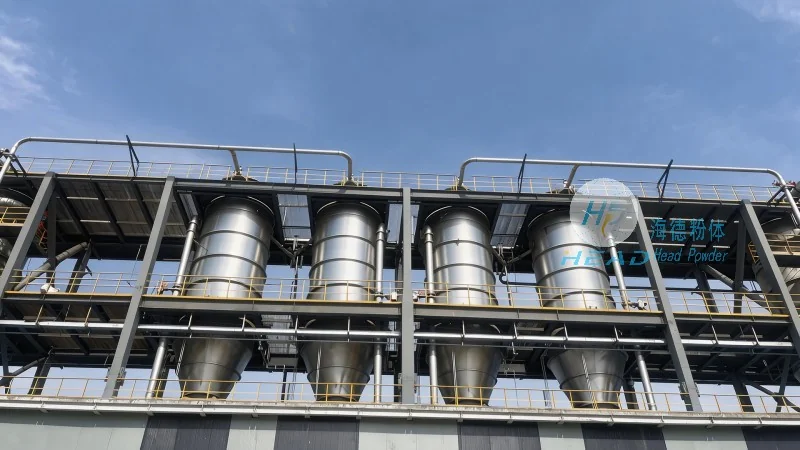
Key Considerations for Sawdust Particle Conveying
Regardless of the chosen conveying method, several key considerations must be addressed to ensure successful operation. First, the moisture content of sawdust is a critical factor. High moisture levels can lead to clogging and reduced flow rates, while low moisture content may cause dust generation and air pollution. Proper moisture control, such as pre-drying or conditioning, is essential to maintain optimal conveying performance. Second, the particle size distribution and uniformity of sawdust affect the efficiency of the conveying system. Coarse particles may require larger equipment, while fine particles may need more gentle handling to prevent degradation. Shandong HeadPowder Engineering Co., Ltd. recommends regular monitoring of sawdust properties and adjusting the conveying system accordingly to maintain consistent performance.
Maintenance and Operational Tips for Sawdust Conveying Systems
Regular maintenance is vital to keep sawdust conveying systems running smoothly and efficiently. This includes cleaning chutes and hoppers to prevent buildup, lubricating moving parts, and inspecting for wear and tear. Additionally, monitoring the system's performance parameters, such as flow rate and pressure, can help identify potential issues before they become major problems. Shandong HeadPowder Engineering Co., Ltd. provides comprehensive maintenance services and technical support to ensure that sawdust conveying systems operate at peak efficiency, minimizing downtime and maximizing productivity.

 Công ty TNHH Kỹ thuật Công trình Bột Hải Đức Sơn Đông
 156-6277-7102(Quản lý Trương)
  0531-83386006
  Quận Chương Khâu, Thành phố Tế Nam, Tỉnh Sơn Đông, Trung Quốc
Điện thoại
WeChatTư vấn
Lên đầu