Công ty Hải Đức Bột với hơn 10 năm kinh nghiệm vận chuyển khí, cung cấp hệ thống‑thiết bị‑quạt gió và nhận dự án tổng thầu bột cả nước
Resin pellet conveying is a critical process in industrial applications, ensuring efficient and reliable transport of resin materials from one point to another. As a leading manufacturer in the field, Shandong HeadPowder Engineering Co., Ltd. specializes in providing advanced solutions for resin pellet handling. This article explores the common methods used for resin pellet conveying, highlighting the key technologies and considerations for optimal performance.
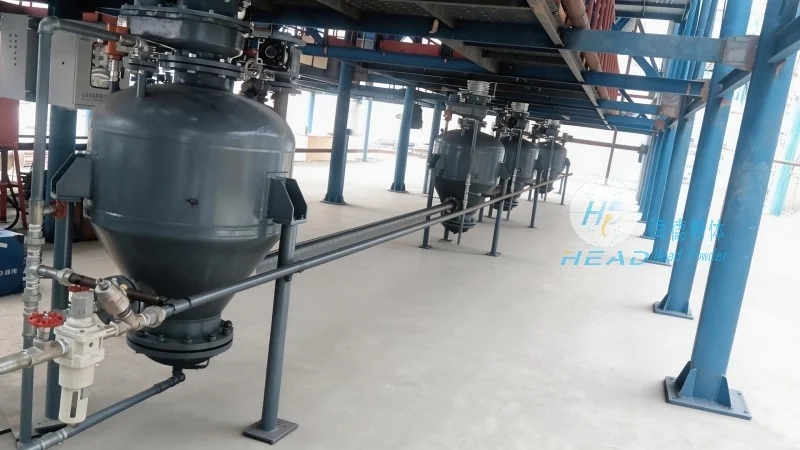
Overview of Resin Pellet Conveying Systems
Resin pellet conveying involves the movement of small, solid resin particles, typically used in polymer manufacturing processes. The efficiency of this process directly impacts production throughput and material quality. Shandong HeadPowder Engineering Co., Ltd. understands the importance of selecting the right conveying method based on factors such as material characteristics, distance, and environmental conditions. The following sections detail the most common approaches to resin pellet conveying.
1. Screw Conveyors for Resin Pellet Transport
Screw conveyors, also known as auger conveyors, are widely used for resin pellet conveying due to their simplicity and effectiveness. These systems consist of a rotating screw (auger) inside a U-shaped or cylindrical housing. As the screw rotates, it pushes the resin pellets forward, making them suitable for horizontal or slightly inclined transport. HeadPowder's screw conveyors are designed with high-quality materials to withstand the abrasive nature of resin pellets, ensuring long service life and minimal maintenance. The company's screw conveyor systems are available in various sizes and configurations, catering to different production scales and operational requirements. Key features include adjustable speed controls, durable construction, and easy cleaning mechanisms, which enhance operational efficiency and hygiene in resin processing facilities.
2. Pneumatic Conveying Systems for Resin Pellets
Pneumatic conveying, or air-powered transport, is another common method for resin pellet handling. This technology uses compressed air to move resin pellets through a pipeline system. There are two main types: pressure and vacuum systems. Pressure systems push the material using compressed air, while vacuum systems draw the material into the pipeline. HeadPowder offers advanced pneumatic conveying solutions that are efficient for long-distance transport and can handle both dry and slightly moist resin pellets. The company's pneumatic systems are equipped with high-efficiency filters to prevent dust and particle contamination, maintaining product purity. Additionally, the design allows for flexible routing, enabling integration into existing production lines without major modifications. Pneumatic conveying is particularly advantageous for applications requiring dust-free environments and automated material transfer.
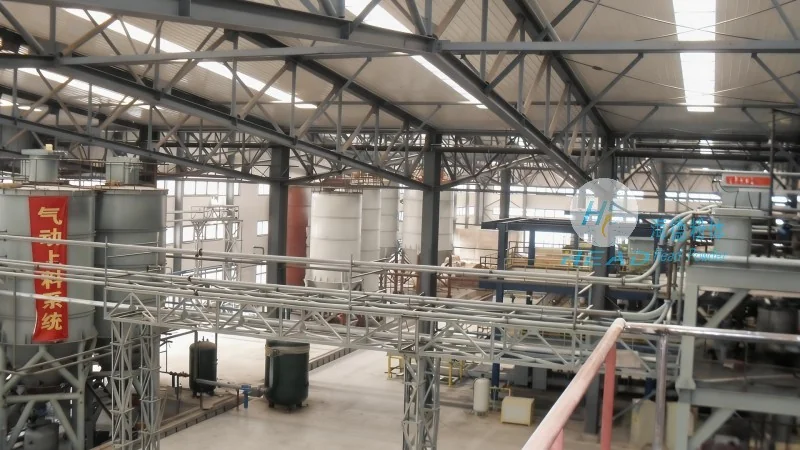
3. Belt Conveyors in Resin Pellet Handling
Belt conveyors are a versatile option for resin pellet conveying, especially in applications involving larger volumes or longer distances. These systems consist of a continuous belt that moves over rollers or a flat surface, transporting resin pellets from one location to another. HeadPowder's belt conveyor solutions are engineered for heavy-duty use, with robust belts and sturdy frame structures capable of handling high loads. The company's belt conveyors can be customized with different belt materials, such as rubber or PVC, to suit specific resin types and environmental conditions. Features like adjustable speed, variable incline angles, and integrated safety mechanisms ensure safe and efficient operation. Belt conveyors are ideal for horizontal and moderate incline transport, making them suitable for both indoor and outdoor resin processing facilities.
4. Bucket Elevators for Vertical Resin Pellet Transport
For vertical transport of resin pellets, bucket elevators are an effective solution. These systems use a series of buckets attached to a belt or chain that moves vertically, lifting resin pellets from lower to upper levels. HeadPowder's bucket elevators are designed with high-capacity buckets and durable materials to handle abrasive resin pellets, ensuring reliable vertical transport. The company's vertical conveying systems are equipped with safety features, such as emergency stop mechanisms and overload protection, to prevent accidents and equipment damage. Additionally, the design allows for efficient material transfer with minimal spillage, maintaining product integrity. Bucket elevators are commonly used in resin manufacturing plants where vertical movement is necessary, such as transferring resin from storage silos to processing units.
5. Vibrating Conveyors for Resin Pellet Movement
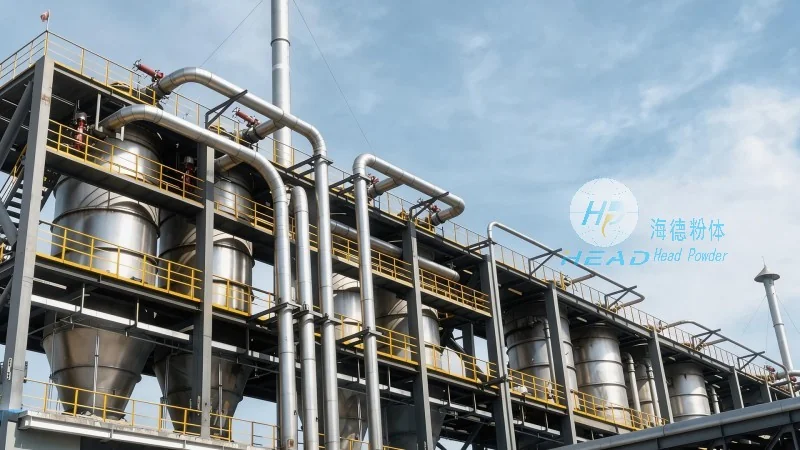
Vibrating conveyors utilize vibration to move resin pellets along a trough. These systems consist of a conveyor bed that vibrates at specific frequencies, causing the resin pellets to move forward. HeadPowder's vibrating conveyors are designed with adjustable vibration parameters, allowing operators to optimize the conveying speed and distance. The company's vibrating systems are suitable for both dry and slightly sticky resin pellets, with options for different trough materials to prevent material adhesion. Features include low energy consumption, quiet operation, and easy maintenance, making them an energy-efficient choice for resin pellet handling. Vibrating conveyors are ideal for applications requiring gentle material handling, such as transporting resin pellets with high moisture content or delicate particles.
Key Considerations for Selecting Resin Pellet Conveying Methods
When choosing a resin pellet conveying method, several factors must be considered to ensure optimal performance and efficiency. Shandong HeadPowder Engineering Co., Ltd. recommends evaluating the following aspects:
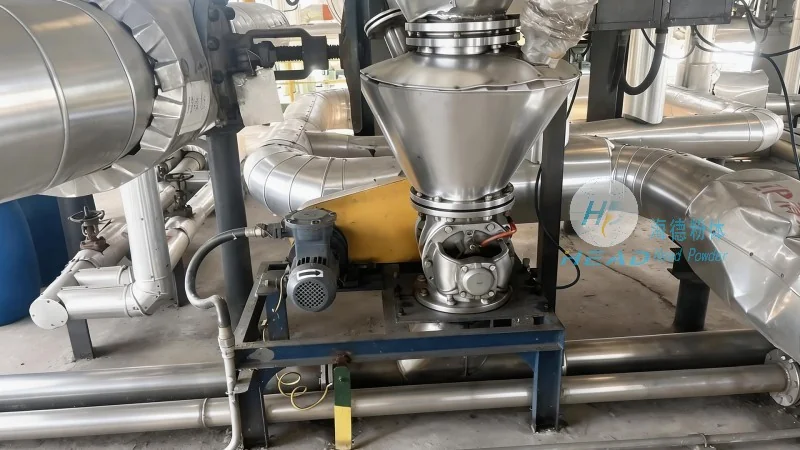
Material Characteristics: The size, shape, and abrasiveness of resin pellets influence the choice of conveying system. For example, abrasive pellets may require more durable components in screw or belt conveyors.
Transport Distance and Layout: The distance and layout of the production facility determine whether a horizontal, vertical, or combination system is suitable. Long-distance transport may favor pneumatic or belt conveyors, while vertical transport requires bucket elevators.
Environmental Requirements: Dust-free environments or specific temperature conditions may dictate the use of enclosed systems, such as pneumatic or screw conveyors with dust collection.
Operational Costs: Energy consumption, maintenance frequency, and initial investment are critical factors. Vibrating conveyors, for instance, offer low energy consumption, while pneumatic systems may have higher air compression costs.
By carefully assessing these factors, industrial manufacturers can select the most appropriate resin pellet conveying method to enhance productivity, reduce downtime, and maintain product quality. Shandong HeadPowder Engineering Co., Ltd. provides comprehensive solutions tailored to individual client needs, ensuring reliable and efficient resin pellet handling in various industrial applications.

 Công ty TNHH Kỹ thuật Công trình Bột Hải Đức Sơn Đông
 156-6277-7102(Quản lý Trương)
  0531-83386006
  Quận Chương Khâu, Thành phố Tế Nam, Tỉnh Sơn Đông, Trung Quốc
Điện thoại
WeChatTư vấn
Lên đầu