Công ty Hải Đức Bột với hơn 10 năm kinh nghiệm vận chuyển khí, cung cấp hệ thống‑thiết bị‑quạt gió và nhận dự án tổng thầu bột cả nước
Alumina crystals are widely used in various industrial applications, including ceramics, refractories, and chemical processing. The efficient and reliable transport of these crystals is crucial for maintaining production efficiency and ensuring product quality. This article explores the various methods available for transporting alumina crystals, providing insights into the most effective approaches for different industrial scenarios.
Overview of Alumina Crystal Transport Methods
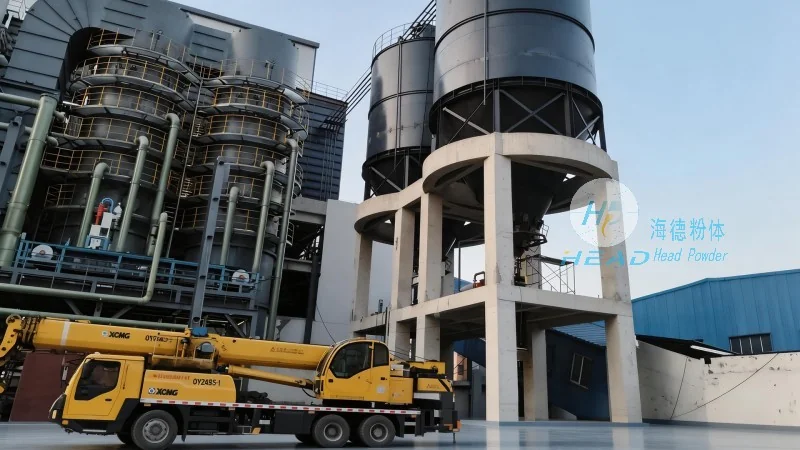
Transporting alumina crystals requires careful consideration of factors such as particle size, moisture content, and the distance over which the material needs to be moved. Different methods are suitable for different conditions, and selecting the right approach can significantly impact operational costs and performance. The primary methods for alumina crystal transport include mechanical conveyors, pneumatic systems, and gravity-based solutions.
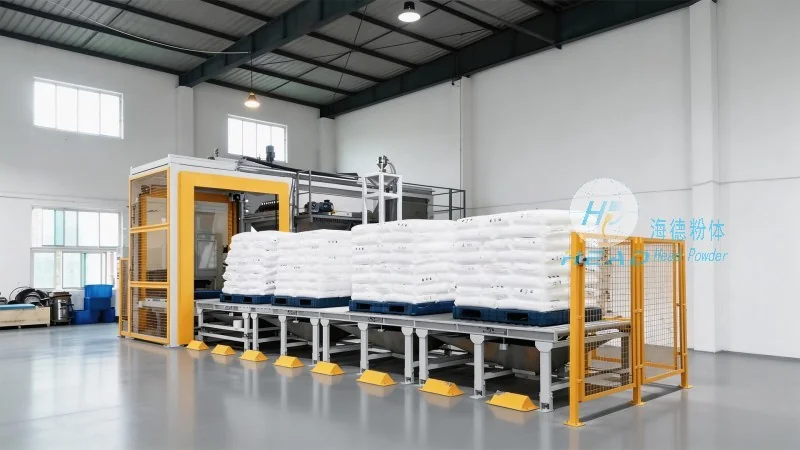
Mechanical Conveying Systems
Mechanical conveying systems are among the most common methods for transporting alumina crystals. These systems utilize mechanical components like belts, screws, and buckets to move the material from one location to another. Headpowder, a leading provider in the field, offers a range of mechanical conveyor solutions tailored to the specific needs of alumina processing facilities. For instance, belt conveyors are ideal for transporting larger alumina crystals over short to medium distances, while screw conveyors are effective for handling finer particles and vertical transport. The choice of mechanical system depends on factors such as the crystal size distribution, the required throughput, and the available space in the processing plant.
Pneumatic Conveying Systems
Pneumatic conveying systems use air or other gases to transport alumina crystals through a pipeline network. This method is particularly suitable for applications where dust control and contamination prevention are critical. Pneumatic systems can be categorized into two main types: dilute-phase and dense-phase. Dilute-phase systems are used for short-distance transport and low to medium particle loads, while dense-phase systems are more efficient for longer distances and higher material loads. Shandong HeadPowder Engineering Co., Ltd. specializes in designing and implementing advanced pneumatic conveying solutions that ensure minimal product degradation and optimal energy efficiency. These systems are equipped with features such as pressure regulation, particle separation, and air filtration to maintain the purity of the alumina crystals throughout the transport process.
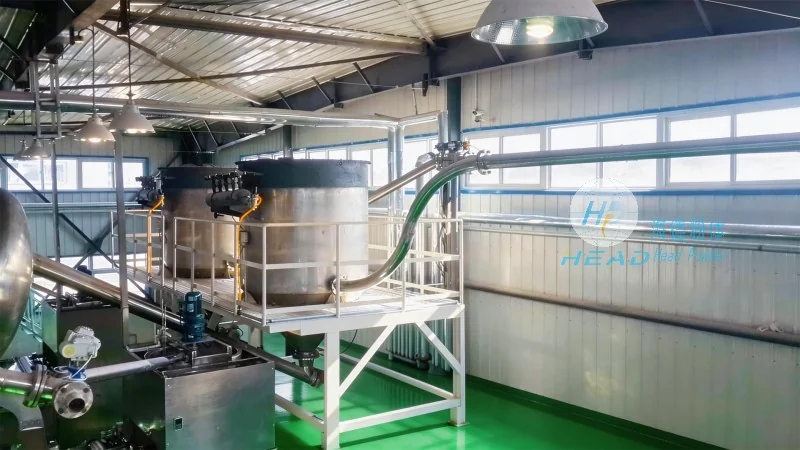
Gravity-Based Transport Solutions
Gravity-based transport methods rely on the natural downward movement of alumina crystals under the influence of gravity. These systems are typically used for short vertical or inclined distances and are often integrated with other conveying equipment. For example, chutes and hoppers can be used to guide alumina crystals from elevated storage to processing units. While gravity systems are simple and cost-effective, they are limited by the need for specific topography and may not be suitable for long or complex transport routes. Headpowder offers gravity-assisted solutions that combine with mechanical or pneumatic systems to optimize the overall transport process, ensuring smooth and efficient material flow.
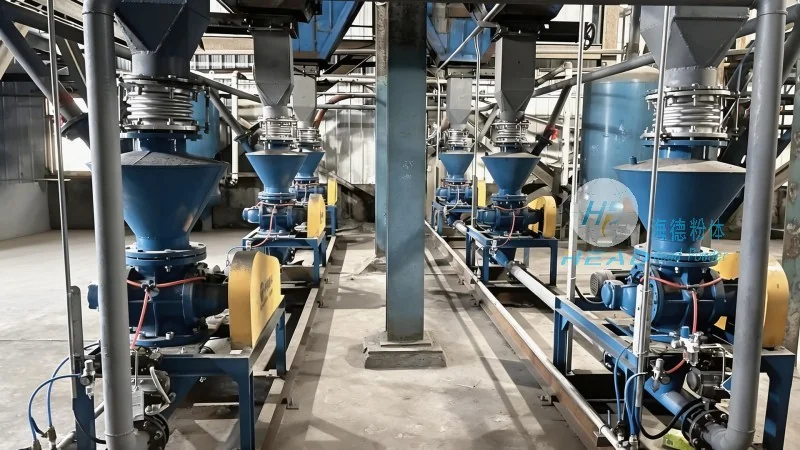
Key Considerations for Selecting a Transport Method
When selecting a method for transporting alumina crystals, several factors must be taken into account to ensure the best results. The first consideration is the physical properties of the alumina crystals, including their size, shape, and moisture content. Larger or irregularly shaped crystals may require more robust mechanical systems, while fine powders might benefit from pneumatic transport to avoid segregation and loss. The distance and layout of the transport route are also critical. Short distances may allow for the use of gravity or simple belt conveyors, whereas longer distances often necessitate pneumatic or combined systems. Additionally, the need for dust control and environmental compliance should be evaluated. Pneumatic systems, for instance, can be equipped with advanced filtration and dust suppression features to meet regulatory requirements. The cost of installation, maintenance, and operation is another important factor. Mechanical systems may have lower initial costs but higher maintenance requirements, while pneumatic systems can be more expensive upfront but offer greater flexibility and efficiency over time.
Conclusion
Transporting alumina crystals effectively requires a careful evaluation of the specific requirements of the industrial application. Mechanical, pneumatic, and gravity-based systems each offer unique advantages and are suitable for different scenarios. By understanding the properties of the alumina crystals and the constraints of the processing environment, industrial facilities can select the most appropriate transport method to enhance productivity, reduce costs, and ensure product quality. Shandong HeadPowder Engineering Co., Ltd. provides comprehensive solutions and expertise to help clients choose and implement the best transport methods for their alumina processing needs, ensuring reliable and efficient material handling in various industrial settings.

 Công ty TNHH Kỹ thuật Công trình Bột Hải Đức Sơn Đông
 156-6277-7102(Quản lý Trương)
  0531-83386006
  Quận Chương Khâu, Thành phố Tế Nam, Tỉnh Sơn Đông, Trung Quốc
Điện thoại
WeChatTư vấn
Lên đầu