Công ty Hải Đức Bột với hơn 10 năm kinh nghiệm vận chuyển khí, cung cấp hệ thống‑thiết bị‑quạt gió và nhận dự án tổng thầu bột cả nước
When it comes to the transportation of sodium hexafluorophosphate, there are several methods that can be employed to ensure safe and efficient delivery. This article will explore the common approaches used in the industry, focusing on the practical aspects of handling this chemical compound.

Understanding Sodium Hexafluorophosphate
Sodium hexafluorophosphate (NaPF₆) is a white crystalline solid commonly used in various industrial applications, including pharmaceuticals and electronics. Its chemical properties require careful handling during transportation to prevent contamination or damage. The choice of transportation method often depends on the quantity, destination, and regulatory requirements for the shipment.
Common Transportation Methods
Several methods are widely used for transporting sodium hexafluorophosphate, each with its own advantages and considerations. The primary methods include bulk shipping via trucks or rail, as well as specialized packaging for smaller quantities. Let's delve into each approach in detail.
Bulk Transportation via Trucks
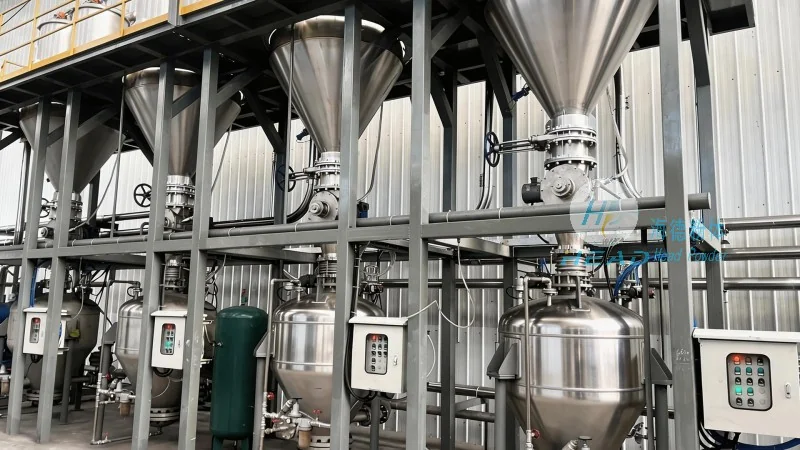
For larger quantities of sodium hexafluorophosphate, bulk transportation using trucks is a common and efficient method. Specialized containers, such as sealed plastic or metal drums, are used to store and transport the material. These containers are designed to prevent leaks and ensure the chemical remains stable during transit. The trucks used for this purpose are typically equipped with temperature control systems to maintain the appropriate conditions for the compound. This method is particularly suitable for local or regional deliveries where speed and flexibility are essential.
Bulk Transportation via Rail
For longer distances or larger volumes, rail transportation offers a cost-effective solution. Railcars are specially designed to carry bulk chemicals, with secure containment systems to prevent spills or leaks. The use of rail reduces the environmental impact compared to road transport, as it involves fewer vehicles on the road. However, rail transport may have longer transit times and is subject to scheduling constraints. This method is ideal for shipments between major industrial centers or for companies that require consistent, large-scale supply.
Specialized Packaging for Smaller Quantities
When transporting smaller quantities of sodium hexafluorophosphate, specialized packaging is often employed. These may include sealed glass or plastic bottles, or smaller metal containers. The packaging is designed to meet strict safety standards, including resistance to breakage and leakage. For international shipments, additional measures such as double sealing and protective wrapping may be required to comply with customs regulations. This method is suitable for laboratory use or for small-scale industrial applications where precise control over the quantity is necessary.
Regulatory Considerations
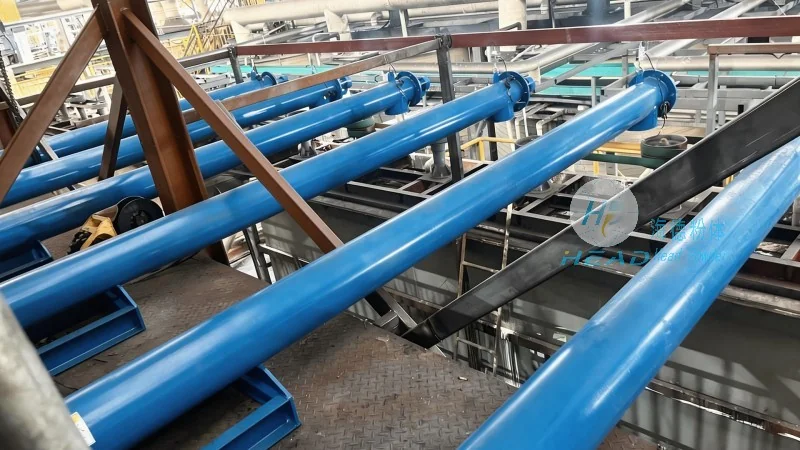
Transporting sodium hexafluorophosphate involves adhering to various regulations and safety guidelines. Different countries have specific rules regarding the classification of hazardous materials, which affects the packaging and labeling requirements. For example, in the United States, the Department of Transportation (DOT) classifies sodium hexafluorophosphate as a hazardous material due to its chemical properties. Proper labeling, including hazard symbols and handling instructions, is mandatory for all modes of transport. Additionally, carriers must ensure that the transportation vehicles are properly maintained and that drivers are trained in handling hazardous materials. Compliance with these regulations is crucial to ensure the safety of both the personnel and the environment during transportation.
Environmental and Safety Measures
Given the potential environmental and health risks associated with sodium hexafluorophosphate, several safety measures are implemented during transportation. The containers used are typically made of materials that are resistant to corrosion and chemical reactions. Regular inspections are conducted to check for any signs of damage or wear. In case of an accident, such as a spill, emergency response plans are in place to contain and clean up the substance. Personnel involved in the transportation process are required to wear appropriate personal protective equipment (PPE), including gloves, goggles, and respirators. These measures help minimize the risk of exposure and ensure the safety of everyone involved.
Conclusion
In conclusion, the transportation of sodium hexafluorophosphate can be achieved through various methods, each tailored to the specific needs of the shipment. Whether through bulk truck or rail transport, or specialized packaging for smaller quantities, the key is to prioritize safety, compliance, and efficiency. By understanding the properties of the chemical and adhering to industry standards, companies can ensure that sodium hexafluorophosphate is transported safely and effectively. Shandong HeadPowder Engineering Co., Ltd., a leading provider in this field, offers expertise and solutions to meet the diverse transportation needs of clients. With a commitment to quality and safety, HeadPowder continues to serve the industrial community with reliable services.

 Công ty TNHH Kỹ thuật Công trình Bột Hải Đức Sơn Đông
 156-6277-7102(Quản lý Trương)
  0531-83386006
  Quận Chương Khâu, Thành phố Tế Nam, Tỉnh Sơn Đông, Trung Quốc
Điện thoại
WeChatTư vấn
Lên đầu