Công ty Hải Đức Bột với hơn 10 năm kinh nghiệm vận chuyển khí, cung cấp hệ thống‑thiết bị‑quạt gió và nhận dự án tổng thầu bột cả nước
Glass fiber, a versatile and widely used material in various industries, requires efficient and reliable transportation methods to ensure its safe delivery from production sites to end-users. The choice of transportation method depends on several factors, including the type of glass fiber, its form (e.g., pellets, fibers, or powders), the distance to be covered, and the specific requirements of the application. This article explores the common methods used for transporting glass fiber, highlighting the key considerations and benefits of each approach.
About HeadPowder: Your Trusted Glass Fiber Transportation Partner
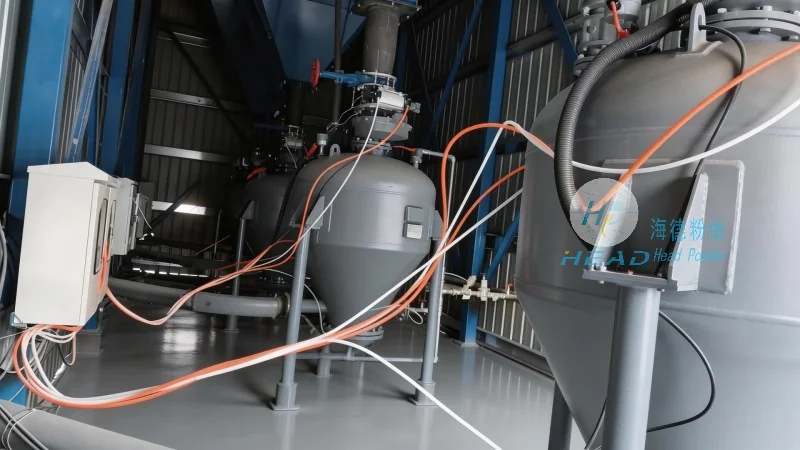
HeadPowder, a leading name in the glass fiber industry, is dedicated to providing high-quality transportation solutions. As Shandong HeadPowder Engineering Co., Ltd., we specialize in handling the complexities of glass fiber logistics, ensuring that our clients receive their products in optimal condition. Our headquarters are located in Shandong, China, where we leverage advanced technology and expertise to deliver tailored transportation services. Whether you need bulk transport or specialized handling, HeadPowder is committed to meeting your glass fiber transportation needs with precision and efficiency.
Common Methods for Glass Fiber Transportation
Several methods are commonly employed for the transportation of glass fiber, each suited to different scenarios and material characteristics. The primary options include bulk handling, containerized transport, and specialized equipment for delicate or high-value glass fiber products. Understanding these methods helps in selecting the most appropriate solution for your specific requirements.
Bulk Handling and Conveying Systems
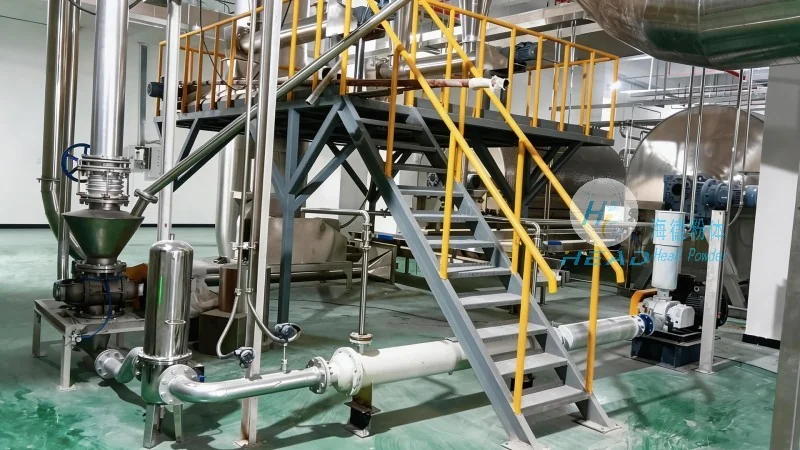
Bulk handling is a widely used method for transporting large quantities of glass fiber, particularly in industrial settings. This approach involves the use of conveyor belts, screw conveyors, and pneumatic conveying systems to move glass fiber from storage areas to processing facilities or transportation vehicles. Bulk handling is efficient for high-volume operations and minimizes material handling time, reducing the risk of contamination or damage. For example, in the production of glass fiber-reinforced composites, bulk conveyors ensure a steady supply of raw material to the manufacturing line. The key advantage of bulk handling is its ability to handle large volumes with minimal labor, making it ideal for continuous production processes.
Containerized Transport for Glass Fiber
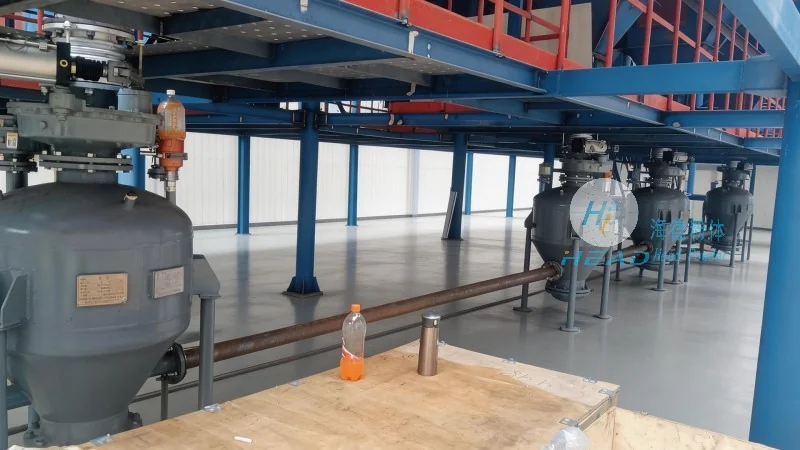
Containerized transport is another effective method for moving glass fiber, especially when dealing with smaller batches or when the material needs to be protected from environmental factors. Glass fiber containers are designed to prevent dust, moisture, and contamination, ensuring that the product remains in pristine condition during transit. These containers can be shipped via trucks, trains, or ships, depending on the destination and distance. Containerized transport is particularly suitable for applications where the glass fiber is used in construction, automotive, or electrical industries, where quality and purity are critical. The use of sealed containers also simplifies customs clearance and reduces the risk of material loss or degradation. For HeadPowder, containerized transport is a standard service, ensuring that our clients receive their glass fiber products in the same condition as when they left our Shandong facility.
Pneumatic Conveying Systems for Delicate Glass Fiber
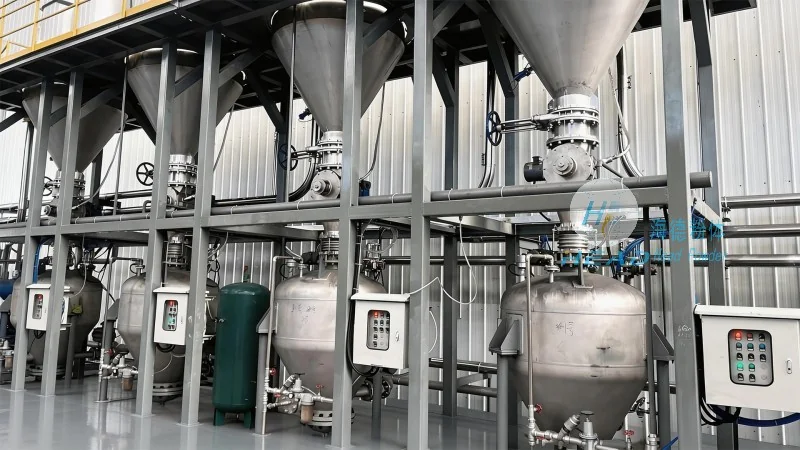
Pneumatic conveying systems are specialized equipment used for transporting glass fiber in a controlled environment, especially for fine powders or fibers that are sensitive to friction or impact. This method involves using air pressure to move the glass fiber through a network of pipes, minimizing the risk of breakage or contamination. Pneumatic conveying is ideal for applications where the glass fiber needs to be handled gently, such as in the production of optical fibers or high-performance composites. The system can be designed to handle different particle sizes and flow rates, providing flexibility in transportation. For HeadPowder, pneumatic conveying is used for sensitive glass fiber products, ensuring that even the most delicate materials are transported safely and efficiently. This method also allows for precise control over the flow rate, reducing waste and optimizing the production process.
Specialized Equipment for High-Value Glass Fiber Products
For high-value or specialized glass fiber products, such as those used in aerospace or medical applications, specialized equipment is often required. These products may include preforms, tows, or coated fibers, which demand extra care during transportation. Specialized equipment like vacuum trucks or enclosed trailers can be used to transport these materials, ensuring that they are protected from external factors and handled with precision. HeadPowder understands the unique requirements of high-value glass fiber products and offers customized transportation solutions to meet these needs. Our team of experts works closely with clients to assess the specific characteristics of their products and select the most appropriate equipment and methods for safe and efficient transport. This approach ensures that even the most sensitive glass fiber products reach their destination without any damage or degradation.
Factors to Consider When Choosing a Glass Fiber Transportation Method
When selecting a glass fiber transportation method, several factors must be taken into account to ensure the best outcome. The first consideration is the type and form of the glass fiber, as different methods are better suited to different product characteristics. For example, bulk handling is ideal for large quantities of pellets, while containerized transport is more suitable for smaller batches of fibers. The distance to be covered is another critical factor, as longer distances may require more robust transportation methods, such as trucks or ships, while shorter distances can be handled by conveyor systems. Additionally, the destination and the specific requirements of the end-user must be considered, as some applications may require specialized handling or protection. For instance, glass fiber used in food or medical applications may need to be transported in sterile containers to meet regulatory standards. Finally, cost and efficiency are important considerations, as different methods have varying costs and operational requirements. By evaluating these factors, businesses can choose the most appropriate glass fiber transportation method that balances cost, efficiency, and product quality.

 Công ty TNHH Kỹ thuật Công trình Bột Hải Đức Sơn Đông
 156-6277-7102(Quản lý Trương)
  0531-83386006
  Quận Chương Khâu, Thành phố Tế Nam, Tỉnh Sơn Đông, Trung Quốc
Điện thoại
WeChatTư vấn
Lên đầu