Công ty Hải Đức Bột với hơn 10 năm kinh nghiệm vận chuyển khí, cung cấp hệ thống‑thiết bị‑quạt gió và nhận dự án tổng thầu bột cả nước
Wood dust, a byproduct of woodworking and processing operations, requires efficient and reliable transportation methods to ensure proper handling and management. The choice of conveying system for wood dust depends on various factors such as material properties, distance, and operational requirements. Common methods include mechanical conveyors like screw conveyors and belt conveyors, as well as pneumatic systems that utilize air pressure to move particles. Each method has its advantages and limitations, making it essential to select the most suitable option for specific applications.

Challenges in Conveying Wood Dust
Conveying wood dust presents unique challenges due to its fine particle size, lightweight nature, and potential for dust explosions if not handled properly. Traditional mechanical systems may struggle with material buildup, clogging, and the need for frequent maintenance. Additionally, the health and safety risks associated with wood dust exposure necessitate robust solutions that minimize airborne particles and ensure compliance with industrial regulations. These challenges highlight the importance of advanced conveying technologies designed specifically for wood dust applications.
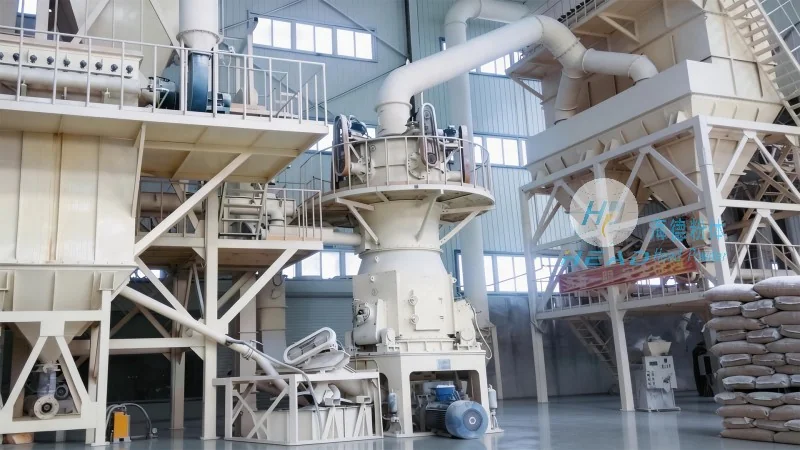
HeadPowder's Pneumatic Conveying Solutions
Shandong HeadPowder Engineering Co., Ltd., a leading provider of industrial conveying systems, specializes in developing and manufacturing high-performance pneumatic conveying solutions tailored for wood dust. The company's expertise lies in designing systems that address the specific challenges of wood dust, including its low density and tendency to create dust clouds. HeadPowder's pneumatic conveying systems utilize positive pressure or negative pressure air flow to transport wood dust efficiently and safely. The technology offers several benefits, including reduced maintenance, lower energy consumption, and improved material handling capabilities compared to traditional mechanical methods.
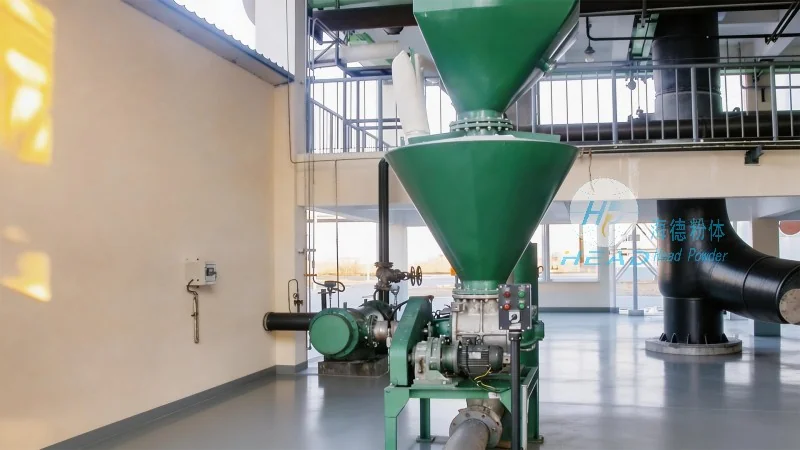
Key Features of HeadPowder's Pneumatic Conveying Systems
HeadPowder's pneumatic conveying systems are engineered with key features that enhance performance and reliability. These include high-capacity air blowers capable of handling large volumes of wood dust, flexible hose or pipe configurations that adapt to various layouts, and advanced control systems that optimize air pressure and flow rates. The systems are also designed with safety features such as explosion-proof components and dust suppression mechanisms to mitigate health and safety risks. Additionally, the materials used in the construction of the conveying components are selected for their resistance to wear and corrosion, ensuring long-term durability in demanding wood processing environments.
Applications and Benefits
HeadPowder's pneumatic conveying solutions are suitable for a wide range of wood dust applications, including transportation from collection points to storage silos, transfer between processing stages, and integration with downstream equipment like pelletizers or dryers. The benefits of using these systems extend beyond efficient material handling, as they contribute to improved workplace safety by reducing airborne dust exposure and minimizing the risk of dust explosions. Furthermore, the energy efficiency of pneumatic systems helps reduce operational costs, making them a cost-effective choice for wood processing facilities. The systems also offer flexibility in layout design, allowing for easy integration into existing production lines without significant modifications.
Conclusion
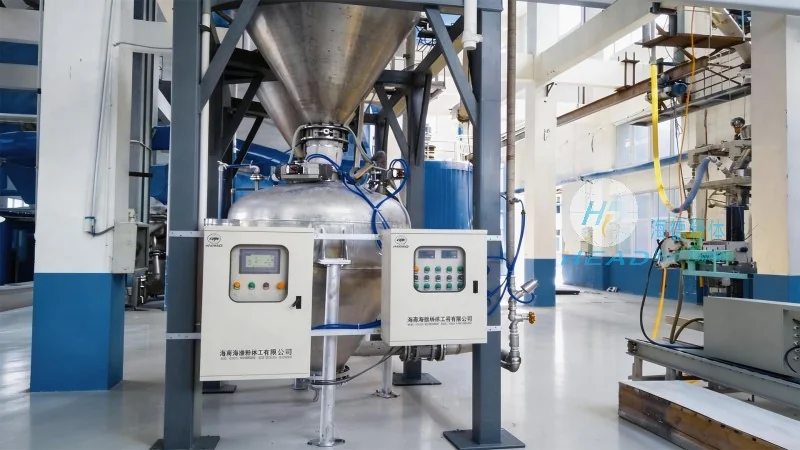
When considering wood dust conveying methods, it is crucial to evaluate the specific needs of the application and choose a system that provides optimal performance, safety, and efficiency. HeadPowder's pneumatic conveying solutions offer a reliable and advanced approach to handling wood dust, addressing the challenges associated with traditional methods. With their expertise in industrial conveying systems, HeadPowder provides tailored solutions that meet the unique requirements of wood processing facilities, ensuring safe and efficient material handling. By investing in HeadPowder's technology, wood processing companies can enhance their operational efficiency, improve workplace safety, and reduce long-term costs associated with material handling.

 Công ty TNHH Kỹ thuật Công trình Bột Hải Đức Sơn Đông
 156-6277-7102(Quản lý Trương)
  0531-83386006
  Quận Chương Khâu, Thành phố Tế Nam, Tỉnh Sơn Đông, Trung Quốc
Điện thoại
WeChatTư vấn
Lên đầu