Công ty Hải Đức Bột với hơn 10 năm kinh nghiệm vận chuyển khí, cung cấp hệ thống‑thiết bị‑quạt gió và nhận dự án tổng thầu bột cả nước
When it comes to transporting river sand, selecting the right method is crucial for efficiency, cost-effectiveness, and operational safety. River sand, a vital raw material in construction and manufacturing, requires reliable and efficient conveying solutions to meet industrial demands. This article explores common river sand conveying methods, with a focus on the advantages and applications of pneumatic conveying, a modern and effective approach for handling such materials.
Overview of River Sand Conveying Methods
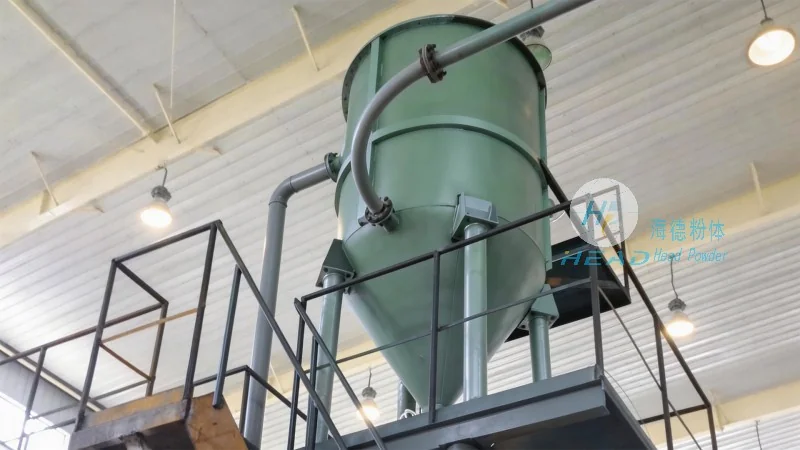
River sand, characterized by its fine particles and varying moisture content, demands specialized handling to prevent segregation, caking, or loss of material during transport. Traditional methods like belt conveyors, bucket elevators, and screw conveyors have been widely used, but they often face challenges with dust generation, material degradation, and limited flexibility in handling varying particle sizes. In contrast, pneumatic conveying systems offer a more advanced solution that addresses these issues while providing enhanced control and efficiency.
Pneumatic Conveying: A Modern Solution for River Sand Transport
HeadPowder, a leading provider of material handling solutions, specializes in pneumatic conveying systems tailored for river sand applications. Pneumatic conveying utilizes compressed air or gas to transport materials through a pipeline network, eliminating the need for mechanical components like belts or buckets that can cause wear and maintenance issues. This method is particularly effective for river sand due to its ability to handle fine, dry, or slightly moist particles without causing segregation or clumping.
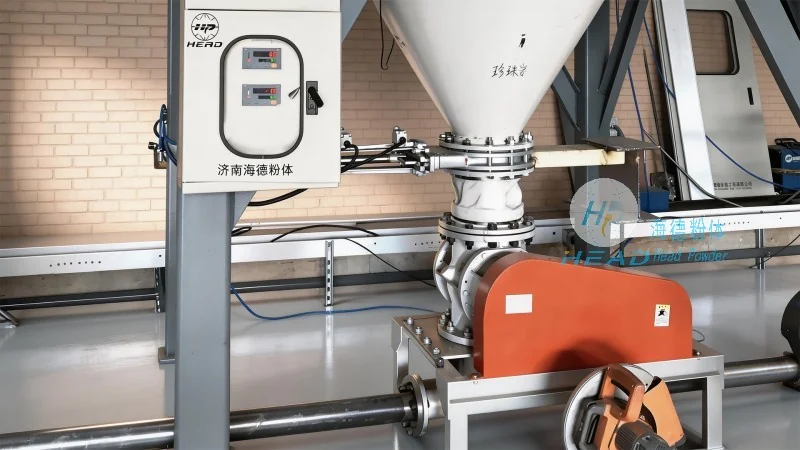
The core components of a pneumatic conveying system for river sand include a hopper for material storage, a rotary airlock or feeder to control material flow, a conveying line (often equipped with bends and filters), and a receiver or discharge point. The system operates by feeding sand into the hopper, where it is then drawn into the conveying line by the air flow. The compressed air propels the sand particles through the pipeline, ensuring a consistent and controlled flow. This process minimizes material degradation and reduces the risk of dust exposure compared to traditional methods.
Advantages of Pneumatic Conveying for River Sand
One of the primary advantages of pneumatic conveying for river sand is its ability to handle varying particle sizes and moisture levels without compromising efficiency. Unlike mechanical conveyors that may struggle with fine particles or moisture, pneumatic systems maintain consistent flow rates and prevent material buildup. Additionally, the enclosed pipeline design reduces dust emissions, improving workplace safety and compliance with environmental regulations. This makes pneumatic conveying an ideal choice for industries where dust control is critical, such as construction, foundries, and sand processing facilities.
Another key benefit is the flexibility of pneumatic conveying systems. They can be easily integrated into existing production lines and adapted to different operational requirements. The ability to adjust air pressure and flow rates allows for precise control over material transport, ensuring that the sand reaches its destination without loss or degradation. This flexibility also enables the system to handle multiple material types or varying production volumes, making it a versatile solution for diverse industrial applications.
Applications and Industries Using Pneumatic Conveying for River Sand
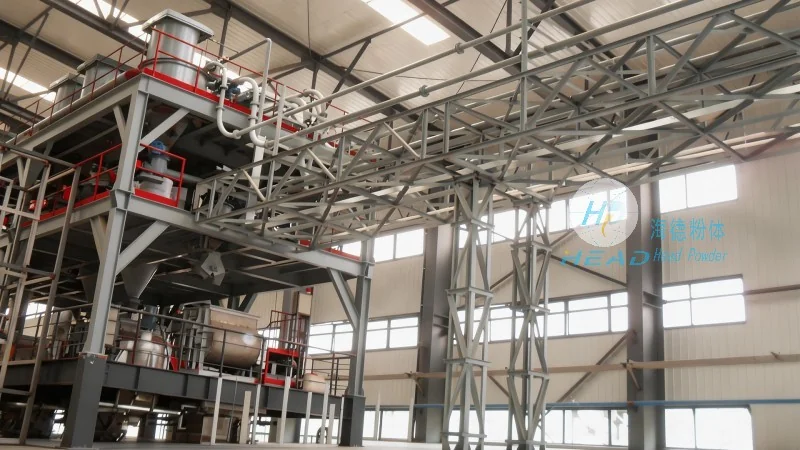
Pneumatic conveying systems are widely used in various industries that rely on river sand as a raw material. In the construction sector, these systems are employed in sand processing plants to transport sand from storage silos to mixing facilities or construction sites. The efficiency of pneumatic conveying ensures that sand is delivered in a consistent state, meeting the quality standards required for concrete production and other building materials.
In the foundry industry, river sand is used as a molding material, and pneumatic conveying systems help transport it from storage to the molding machines. This ensures a steady supply of sand, reducing downtime and improving production throughput. Similarly, in the glass manufacturing industry, sand is a critical component in the production of glass products, and pneumatic conveying provides a reliable method for transporting it from raw material storage to the glass melting furnaces.
Conclusion: Choosing the Right Conveying Method for River Sand
When selecting a river sand conveying method, it is essential to consider factors such as material properties, operational requirements, and environmental regulations. While traditional methods like belt conveyors have their place, pneumatic conveying offers significant advantages in terms of efficiency, flexibility, and safety. HeadPowder, with its expertise in material handling solutions, provides customized pneumatic conveying systems that are tailored to the specific needs of river sand applications. By leveraging advanced technology and engineering, these systems ensure reliable and cost-effective transport of river sand, supporting the efficiency and productivity of industrial operations.

 Công ty TNHH Kỹ thuật Công trình Bột Hải Đức Sơn Đông
 156-6277-7102(Quản lý Trương)
  0531-83386006
  Quận Chương Khâu, Thành phố Tế Nam, Tỉnh Sơn Đông, Trung Quốc
Điện thoại
WeChatTư vấn
Lên đầu