Công ty Hải Đức Bột với hơn 10 năm kinh nghiệm vận chuyển khí, cung cấp hệ thống‑thiết bị‑quạt gió và nhận dự án tổng thầu bột cả nước
Soapstone, a natural mineral with unique properties, is widely used in various industrial applications. Efficient and reliable conveying methods are essential for handling soapstone, ensuring smooth material transport from source to processing or storage locations. This article explores common soapstone conveying methods, with a focus on the advantages and applications of pneumatic conveying systems.
Introduction to Soapstone Conveying
Soapstone, known for its heat resistance and non-porous surface, is utilized in sectors such as construction, manufacturing, and healthcare. The selection of an appropriate conveying method depends on factors like material characteristics, distance, volume, and operational environment. Traditional methods include gravity, mechanical, and pneumatic systems, each with distinct benefits and limitations.
Company Overview: Shandong HeadPowder Engineering Co., Ltd.
Shandong HeadPowder Engineering Co., Ltd., a leading manufacturer based in China, specializes in providing customized material handling solutions. With years of experience in the industry, the company offers advanced equipment and technical expertise to meet diverse conveying needs. HeadPowder's commitment to quality and innovation ensures reliable performance in soapstone and other material transport applications.
Common Soapstone Conveying Methods
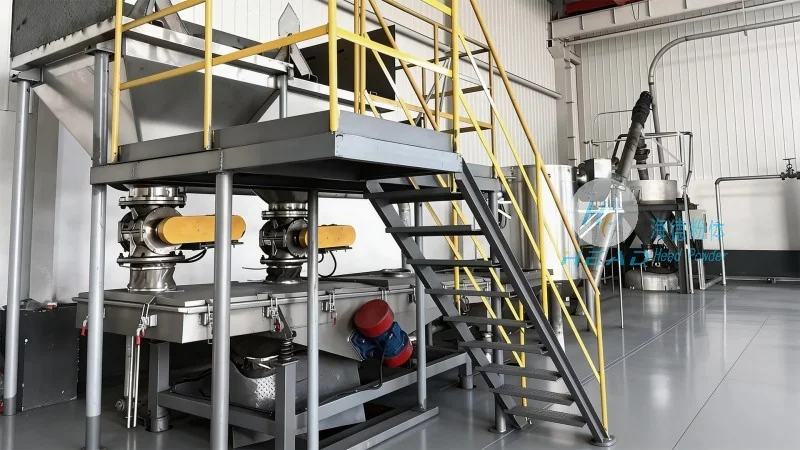
Several methods are employed for soapstone transport, catering to different operational requirements. Gravity conveying involves using inclined chutes or hoppers to allow material to flow downward under gravity. This method is simple and cost-effective for short distances and low volumes but may not be suitable for steep angles or large quantities.
Mechanical conveying systems, such as belt conveyors or screw conveyors, utilize mechanical components to move soapstone. Belt conveyors are ideal for horizontal or slight incline transport, while screw conveyors are effective for vertical or inclined movement. These systems are robust and can handle moderate to high volumes but may require regular maintenance.
Pneumatic Conveying: The Preferred Method for Soapstone
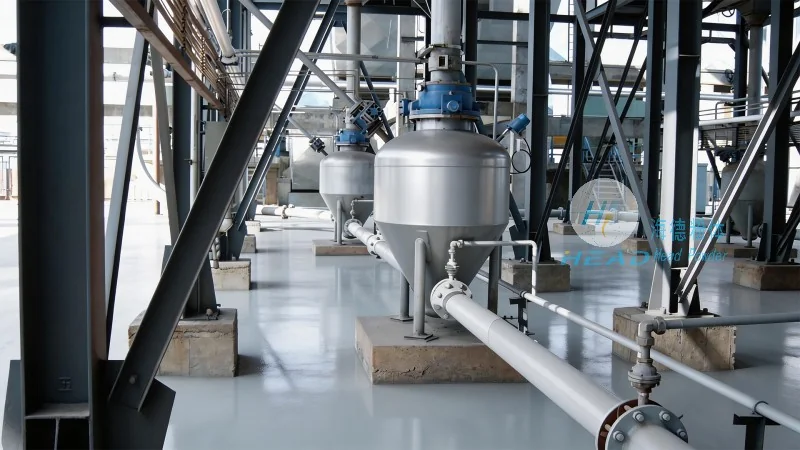
Pneumatic conveying, or air-based transport, is increasingly recognized as the most efficient method for soapstone handling. This technology uses compressed air to transport material through a pipeline system, eliminating the need for mechanical components and reducing maintenance costs. Pneumatic systems are particularly advantageous for handling fine or dusty soapstone, as they prevent material degradation and contamination.
The core components of a pneumatic conveying system include a blower, hopper, pipeline, and control valves. The blower generates the necessary air pressure to move soapstone particles, while the hopper stores the material and feeds it into the pipeline. Control valves regulate the flow rate and direction, ensuring smooth and controlled transport. This system can handle both bulk and fine soapstone, making it versatile for various industrial applications.
Advantages of Soapstone Pneumatic Conveying
Compared to traditional methods, pneumatic conveying offers several key advantages. First, it provides a closed system, preventing dust and contamination from entering the environment. This is crucial for maintaining product quality and compliance with environmental regulations. Second, the system is flexible, allowing for changes in transport routes and distances without major modifications. Third, it reduces labor costs by automating the material handling process, improving overall operational efficiency.
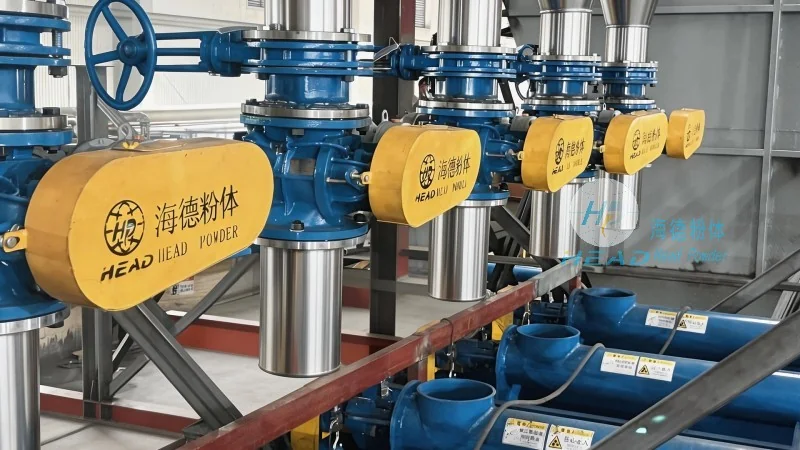
Additionally, pneumatic conveying systems are compact and can be integrated into existing facilities, minimizing space requirements. The technology also offers high material throughput, making it suitable for large-scale production lines. These benefits make pneumatic conveying the preferred choice for many industries dealing with soapstone.
Applications of Soapstone Pneumatic Conveying
Soapstone pneumatic conveying is widely used in various industries. In the construction sector, it is employed to transport soapstone for countertops, flooring, and decorative elements. Manufacturing facilities use it to move soapstone for processing into finished products, such as tiles or carved items. The healthcare industry also benefits from this technology, as soapstone is used in medical equipment and devices, requiring clean and efficient transport.
Furthermore, the system is suitable for applications where material purity is critical, such as in pharmaceutical or food processing industries. The closed system ensures that soapstone remains free from contaminants, meeting stringent quality standards. This makes pneumatic conveying an ideal solution for industries where product integrity is paramount.
Conclusion
Efficient soapstone conveying is essential for optimizing industrial processes and ensuring product quality. While gravity and mechanical methods have their uses, pneumatic conveying stands out as the most advanced and versatile solution. Shandong HeadPowder Engineering Co., Ltd. offers specialized pneumatic conveying systems tailored to the unique needs of soapstone handling, providing reliable and cost-effective solutions for businesses across various sectors.

 Công ty TNHH Kỹ thuật Công trình Bột Hải Đức Sơn Đông
 156-6277-7102(Quản lý Trương)
  0531-83386006
  Quận Chương Khâu, Thành phố Tế Nam, Tỉnh Sơn Đông, Trung Quốc
Điện thoại
WeChatTư vấn
Lên đầu