Công ty Hải Đức Bột với hơn 10 năm kinh nghiệm vận chuyển khí, cung cấp hệ thống‑thiết bị‑quạt gió và nhận dự án tổng thầu bột cả nước
Efficient and reliable transportation of coal and stone powder is crucial in various industrial applications, from mining and processing to material handling and distribution. The choice of conveying method significantly impacts operational efficiency, cost-effectiveness, and safety. This article explores the primary methods used for transporting coal and stone powder, highlighting the key considerations and applications for each approach.
1. Belt Conveyor Systems for Coal and Stone Powder
Belt conveyors are among the most widely used and versatile solutions for transporting bulk materials like coal and stone powder. These systems consist of a continuous loop of belt, typically made from durable rubber or synthetic materials, supported by rollers and pulleys. The belt is driven by a motor, allowing it to move material from the loading point to the discharge point. For coal and stone powder, headpowder offers specialized belt conveyor designs that can handle abrasive and heavy loads, ensuring long service life and minimal maintenance. The company’s expertise in material handling engineering ensures that the conveyor systems are tailored to specific operational requirements, such as load capacity, distance, and environmental conditions. Belt conveyors are particularly effective for long-distance horizontal or slightly inclined transport, making them ideal for mining sites, power plants, and processing facilities.
2. Pneumatic (Air) Conveying Systems
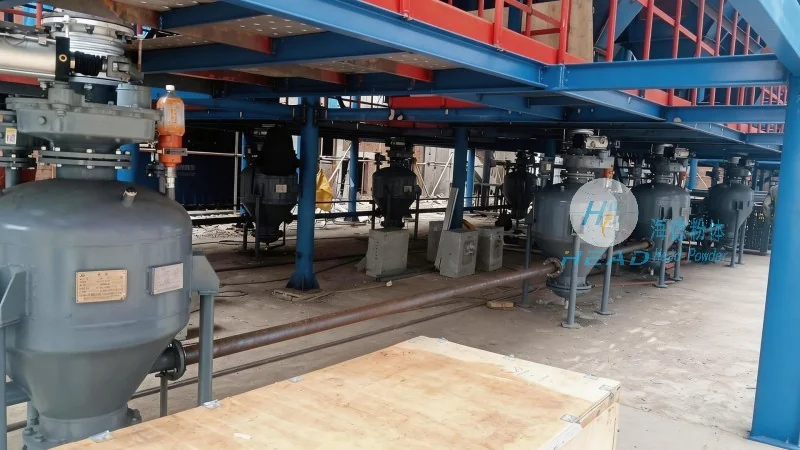
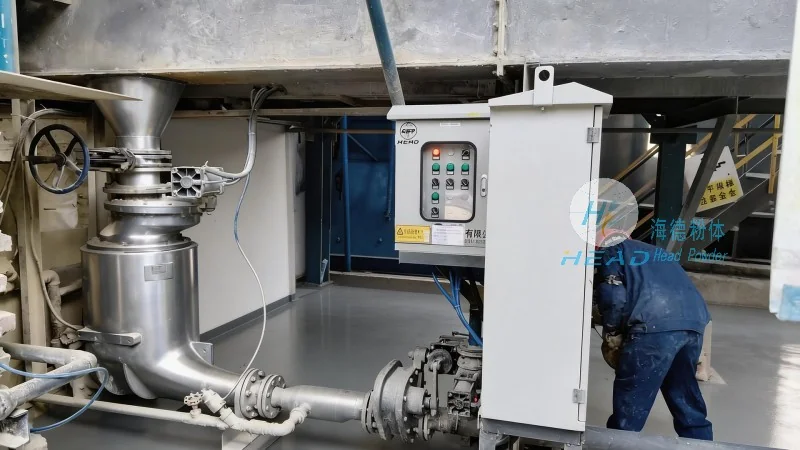
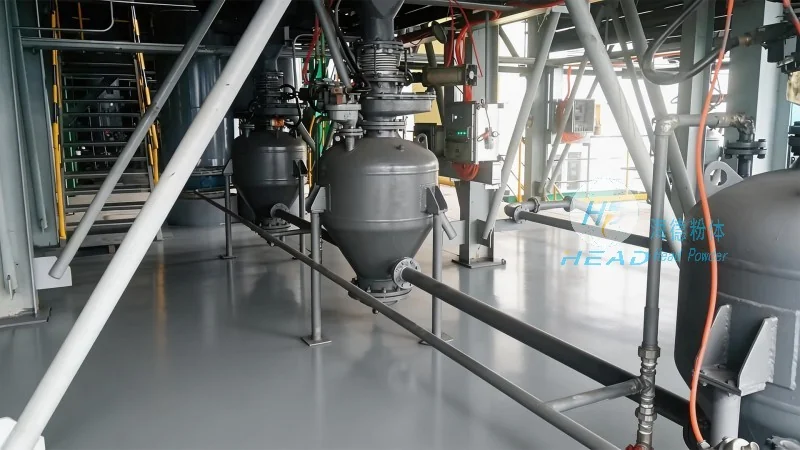
Pneumatic conveying, or air conveying, uses compressed air to transport coal and stone powder in a closed system. This method is highly efficient for transporting fine powders and granular materials over moderate distances. The system typically includes a hopper for material storage, a blower or compressor to generate airflow, and a pipeline network to move the material. Headpowder provides advanced pneumatic conveying solutions that can handle both dilute and dense phase transport, optimizing energy consumption and material flow. Pneumatic systems are particularly suitable for applications where dust control and contamination prevention are critical, such as in food processing or pharmaceutical industries. However, they may require more complex equipment and higher energy input compared to other methods.
3. Screw Conveyors for Bulk Material Handling
Screw conveyors, also known as auger conveyors, use a rotating screw or helical blade to move coal and stone powder through a tube or trough. This method is ideal for vertical or inclined transport, as well as for handling materials that are prone to clogging or require gentle handling. Headpowder manufactures screw conveyors with robust construction and variable speed drives, allowing for precise control over material flow. These conveyors are particularly effective for transporting materials with high moisture content or sticky properties, as the screw design prevents material buildup and ensures smooth operation. Screw conveyors are commonly used in processing plants, storage facilities, and manufacturing environments where space is limited or material needs to be elevated.
4. Bucket Elevators for Vertical Transport
Bucket elevators are specialized vertical conveyors designed to transport coal and stone powder from lower to higher levels. These systems consist of a vertical or inclined trough with a continuous chain or belt that carries buckets or containers filled with material. The buckets are lifted by the moving chain and discharged at the top, while the empty buckets return to the bottom for another load. Headpowder offers high-capacity bucket elevators that can handle large volumes of bulk materials with minimal space requirements. These elevators are ideal for applications where vertical transport is necessary, such as in coal handling plants, cement production, and material storage facilities. The company’s designs incorporate durable materials and efficient drive systems, ensuring reliable operation even under heavy loads and harsh conditions.
5. Hydraulic Conveying Systems
Hydraulic conveying systems use fluid pressure to transport coal and stone powder through pipes. This method is particularly effective for transporting fine powders and slurries over long distances, as it can maintain a consistent flow and minimize material degradation. Headpowder provides hydraulic conveying solutions that combine the benefits of fluid transport with the reliability of mechanical systems. These systems are commonly used in mining operations where water is readily available, as the fluid can be recycled and reused, reducing operational costs. Hydraulic conveyors are also suitable for applications requiring high pressure and flow rates, such as in industrial processing plants. However, they require regular maintenance of hydraulic components and may be less flexible for varying material types.
6. Combination Conveying Systems
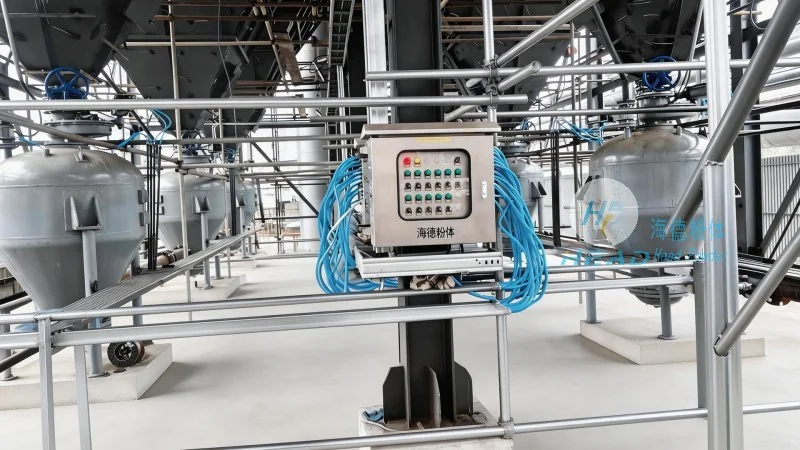
In many industrial settings, a single conveying method may not be sufficient to meet all operational requirements. Headpowder specializes in designing and manufacturing combination conveying systems that integrate multiple technologies to optimize material transport. These systems may combine belt conveyors with pneumatic or screw conveyors, or use bucket elevators in conjunction with other equipment. The company’s engineers work closely with clients to develop customized solutions that address specific challenges, such as material variability, space constraints, or environmental regulations. Combination systems are particularly effective for complex processes, such as in power plants where coal is transported from storage to boilers, or in mining operations where ore is processed and transported to processing facilities.
7. Key Considerations for Choosing a Conveying Method
When selecting a conveying method for coal and stone powder, several factors must be considered to ensure optimal performance and cost-effectiveness. These include the material characteristics (e.g., particle size, moisture content, abrasiveness), the required transport distance and elevation, the available space and layout of the facility, and the operational budget. Headpowder provides comprehensive consultation services to help clients evaluate these factors and choose the most suitable conveying solution. The company’s expertise in material handling engineering ensures that the selected system meets safety standards, regulatory requirements, and long-term operational goals. By considering these factors, businesses can select a conveying method that maximizes efficiency, reduces downtime, and minimizes maintenance costs.
8. Conclusion
Efficient transportation of coal and stone powder is essential for the smooth operation of industrial processes. The choice of conveying method depends on various factors, including material properties, operational requirements, and budget constraints. Headpowder, as a leading manufacturer of material handling equipment, offers a range of solutions tailored to the specific needs of clients. Whether using belt conveyors, pneumatic systems, screw conveyors, or combination systems, the company’s products are designed to provide reliable, durable, and cost-effective performance. By leveraging the expertise of Shandong HeadPowder Engineering Co., Ltd., businesses can enhance their material handling capabilities and improve overall operational efficiency.

 Công ty TNHH Kỹ thuật Công trình Bột Hải Đức Sơn Đông
 156-6277-7102(Quản lý Trương)
  0531-83386006
  Quận Chương Khâu, Thành phố Tế Nam, Tỉnh Sơn Đông, Trung Quốc
Điện thoại
WeChatTư vấn
Lên đầu