Công ty Hải Đức Bột với hơn 10 năm kinh nghiệm vận chuyển khí, cung cấp hệ thống‑thiết bị‑quạt gió và nhận dự án tổng thầu bột cả nước
When it comes to transporting coal and coke, selecting the right conveying method is crucial for efficiency, cost-effectiveness, and operational safety. Various technologies are available, each with its own advantages and applications. This article explores the primary methods used in the industry, providing insights into how different systems meet the demands of coal and coke handling.
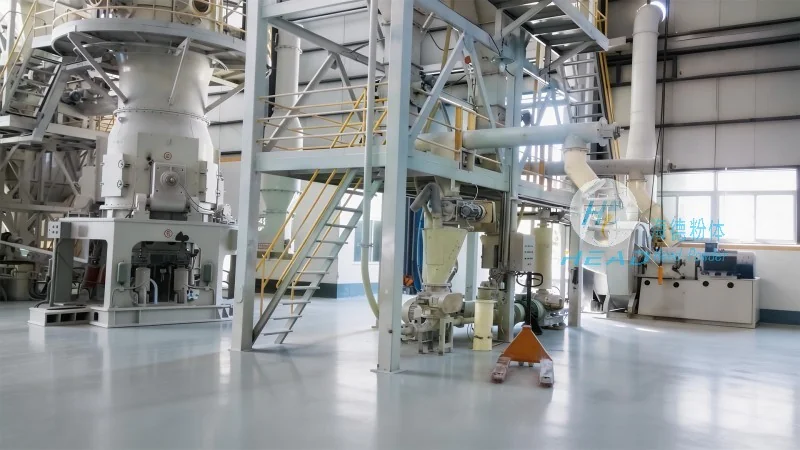
1. Belt Conveyor Systems
Belt conveyors are among the most common and versatile methods for coal and coke transportation. They consist of a continuous belt that moves materials from one point to another, supported by rollers or idlers. The design allows for long distances and high capacities, making them ideal for bulk material handling in mining, power plants, and industrial facilities. The belt can be made of various materials, such as rubber or synthetic fabrics, to withstand the abrasive nature of coal and coke. HeadPowder Engineering Co., Ltd., based in Shandong, China, specializes in designing and manufacturing high-quality belt conveyor systems tailored to specific operational needs. Their expertise ensures that these systems are durable, efficient, and compliant with industry standards.
2. Screw Conveyors
Screw conveyors, also known as auger conveyors, use a rotating helical screw to move materials. This method is particularly effective for transporting dry, free-flowing materials like coal and coke. The screw is enclosed in a trough, which helps contain the material and prevent spillage. Screw conveyors are compact and can be installed in tight spaces, making them suitable for applications where space is limited. They are also relatively low-maintenance and can handle materials with varying moisture content. HeadPowder Engineering Co., Ltd. offers screw conveyor solutions that are robust and reliable, ensuring smooth operation in demanding environments.
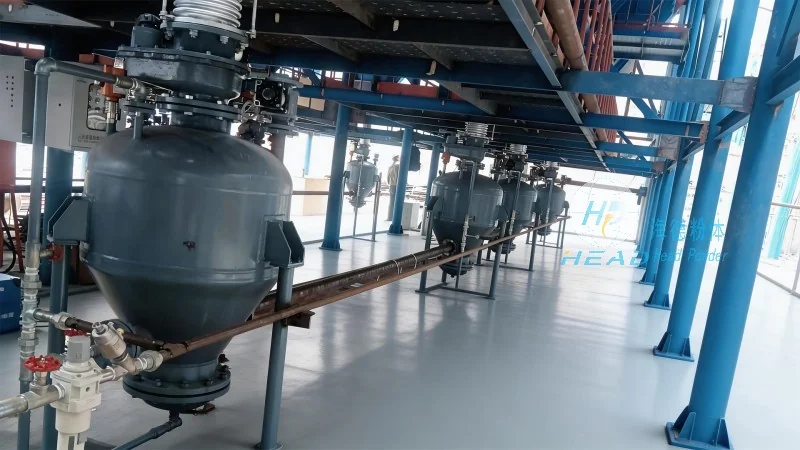
3. Pneumatic Conveying Systems
Pneumatic conveying systems use air or gas to transport coal and coke through a pipeline. This method is ideal for applications requiring dust control and minimal material spillage. There are two main types: pressure and vacuum systems. Pressure systems push material through the pipeline using compressed air, while vacuum systems draw material into the system using a vacuum. Pneumatic conveying is particularly useful for transporting materials over short to medium distances and for integrating with other processing equipment. HeadPowder Engineering Co., Ltd. provides advanced pneumatic conveying solutions that ensure efficient material transport while maintaining environmental standards. Their systems are designed to handle different particle sizes and moisture levels, ensuring optimal performance.
4. Bucket Elevators
Bucket elevators are vertical or inclined conveyors that use a series of buckets attached to a belt or chain to lift and transport materials. They are commonly used for vertical or steep incline transport of coal and coke, especially in applications where space is limited vertically. Bucket elevators are capable of handling high capacities and can transport materials over significant vertical distances. The design allows for continuous operation with minimal downtime, making them suitable for continuous production processes. HeadPowder Engineering Co., Ltd. manufactures bucket elevators that are durable and efficient, ensuring reliable material transport in various industrial settings. Their products are engineered to meet the specific requirements of coal and coke handling, providing long-term performance and reliability.
5. Chain Conveyors
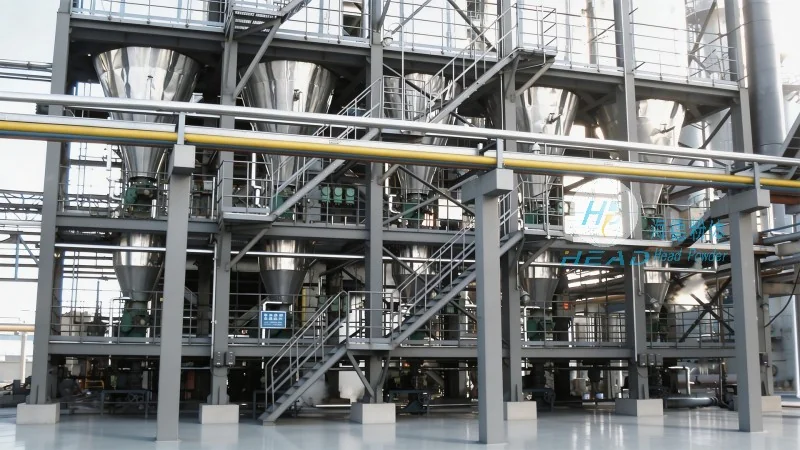
Chain conveyors use a chain with attached buckets or pans to move materials. This method is similar to bucket elevators but can be used for both vertical and horizontal transport. Chain conveyors are particularly effective for transporting heavy or bulky materials, such as large coke pieces or oversized coal. They are also suitable for applications where the material has high abrasiveness or is prone to breakage. HeadPowder Engineering Co., Ltd. offers chain conveyor systems that are robust and capable of handling demanding conditions. Their designs ensure that the chain and components are resistant to wear and tear, extending the service life of the equipment. These systems are ideal for industrial facilities that require reliable and efficient material transport.
6. Vibrating Conveyors
Vibrating conveyors use vibration to move materials along a trough. The vibration causes the material to move forward, allowing for gentle handling of fragile or sticky materials like some types of coke. This method is particularly useful for applications where the material is sensitive to impact or abrasion. Vibrating conveyors are also compact and can be installed in various orientations, making them versatile for different layouts. HeadPowder Engineering Co., Ltd. provides vibrating conveyor solutions that are designed to handle the specific characteristics of coal and coke. Their systems ensure smooth and efficient material transport while minimizing material degradation. These conveyors are commonly used in processing plants where the material needs to be moved gently and without damage.

 Công ty TNHH Kỹ thuật Công trình Bột Hải Đức Sơn Đông
 156-6277-7102(Quản lý Trương)
  0531-83386006
  Quận Chương Khâu, Thành phố Tế Nam, Tỉnh Sơn Đông, Trung Quốc
Điện thoại
WeChatTư vấn
Lên đầu