Công ty Hải Đức Bột với hơn 10 năm kinh nghiệm vận chuyển khí, cung cấp hệ thống‑thiết bị‑quạt gió và nhận dự án tổng thầu bột cả nước
When it comes to managing rice production and distribution, selecting the right transport method is crucial for maintaining quality and operational efficiency. The choice of rice transport method depends on various factors including the scale of operation, the distance of transport, and the specific requirements of the rice variety. In this article, we explore several common methods used in the rice industry, providing insights into their applications and benefits.
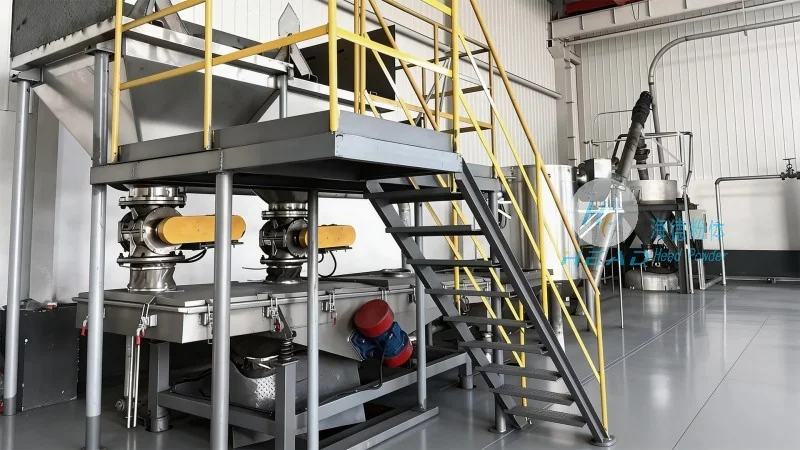
1. Mechanical Conveying Systems
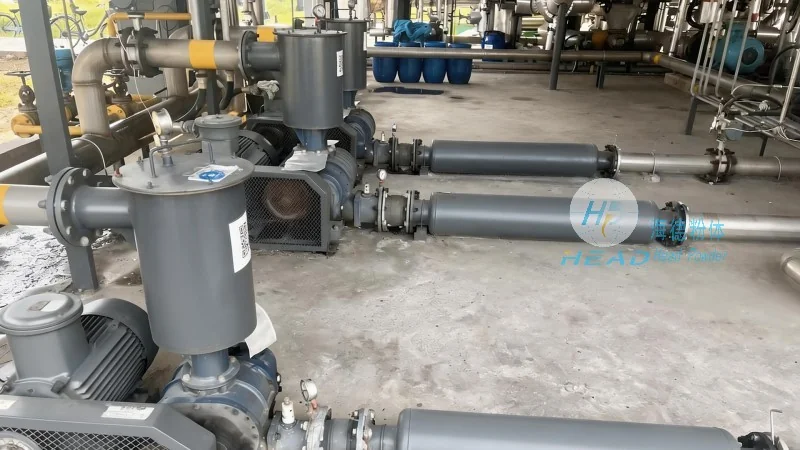
Mechanical conveying systems are widely used in modern rice processing facilities for their ability to handle large volumes of rice with minimal human intervention. These systems typically include belt conveyors, screw conveyors, and bucket elevators, each designed to move rice from one stage of processing to another. Belt conveyors, for instance, are ideal for transporting rice over short to medium distances, while screw conveyors are effective for vertical or inclined movement. The use of mechanical conveyors not only enhances productivity but also reduces the risk of damage to the rice grains, ensuring that the final product meets quality standards. HeadPowder Engineering, a leading provider in the field, offers advanced mechanical conveying solutions tailored to the specific needs of rice processing plants.
2. Manual Handling and Traditional Methods
Despite the prevalence of mechanical systems, manual handling and traditional methods still play a role in rice transport, especially in smaller or rural operations. Farmers and workers may use baskets, sacks, or carts to move rice from the field to storage or processing facilities. While these methods are labor-intensive and may result in higher labor costs, they are often preferred in regions where mechanization is not feasible or economically viable. The manual handling of rice also allows for better quality control, as workers can inspect the grains for defects or impurities during the transport process. However, it is important to note that manual methods are less efficient for large-scale operations and may not be suitable for long-distance transport.
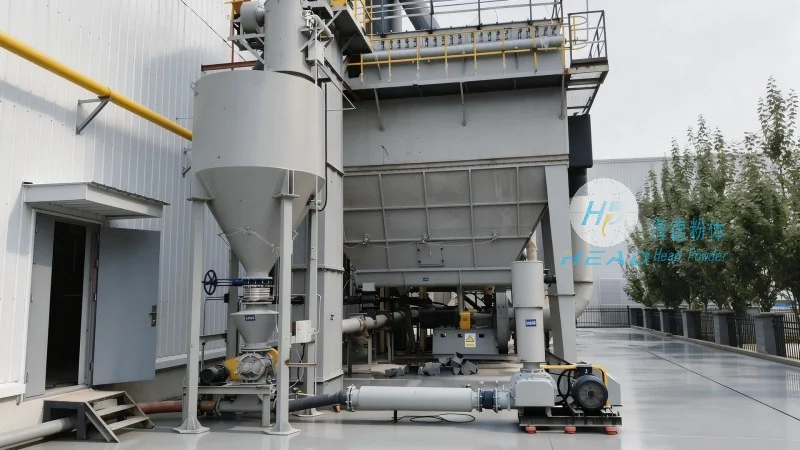
3. Hydraulic and Pneumatic Transport
Hydraulic and pneumatic systems offer alternative solutions for rice transport, particularly in situations where traditional methods are impractical. Hydraulic conveyors use fluid power to move rice through pipes or hoses, while pneumatic systems utilize compressed air to transport rice in a closed system. These methods are often used in high-tech processing plants where precision and control are essential. For example, pneumatic transport can be used to move rice from a storage silo to a milling machine without the need for direct human contact. The use of hydraulic and pneumatic systems reduces the risk of contamination and improves the overall hygiene of the rice handling process. HeadPowder Engineering specializes in designing and manufacturing custom hydraulic and pneumatic transport solutions that meet the stringent requirements of the rice industry.
4. Integration of Modern Technologies
Advancements in technology have led to the integration of sensors, automation, and data analytics into rice transport systems, enhancing their efficiency and reliability. Modern conveyors are equipped with sensors that monitor the flow rate, temperature, and moisture content of the rice, providing real-time data to operators. This data can be used to optimize the transport process, reduce energy consumption, and prevent quality issues. Additionally, automation systems can be programmed to adjust the speed and direction of the conveyor based on the type of rice being transported, ensuring that each grain is handled with care. The integration of modern technologies not only improves the performance of rice transport systems but also contributes to sustainable practices in the industry.
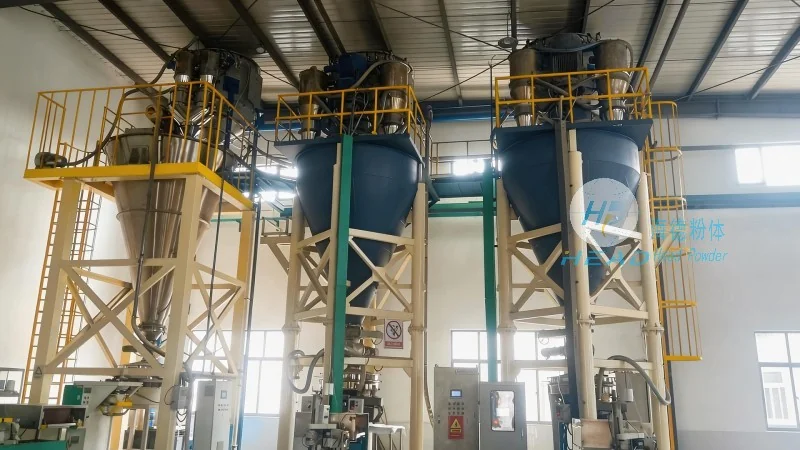
5. Considerations for Choosing the Right Transport Method
When selecting a rice transport method, several factors must be considered to ensure the best fit for the operation. The first consideration is the scale of the operation; small-scale farms may benefit from manual or traditional methods, while large processing plants require mechanical or automated systems. The distance of transport is another critical factor; short distances may be suitable for belt conveyors, while long distances may require more sophisticated systems like hydraulic or pneumatic transport. The type of rice being transported also plays a role; for example, delicate varieties may require gentler handling methods to prevent breakage. Finally, the budget and available resources must be taken into account, as different transport methods have varying costs and maintenance requirements. By carefully evaluating these factors, rice producers and processors can choose the most effective transport method that meets their specific needs and ensures the quality of their product.

 Công ty TNHH Kỹ thuật Công trình Bột Hải Đức Sơn Đông
 156-6277-7102(Quản lý Trương)
  0531-83386006
  Quận Chương Khâu, Thành phố Tế Nam, Tỉnh Sơn Đông, Trung Quốc
Điện thoại
WeChatTư vấn
Lên đầu