Công ty Hải Đức Bột với hơn 10 năm kinh nghiệm vận chuyển khí, cung cấp hệ thống‑thiết bị‑quạt gió và nhận dự án tổng thầu bột cả nước
Heavy calcium carbonate (often referred to as heavy calcium) is a widely used industrial material in various sectors, including plastics, coatings, and paper. The efficient and reliable conveying of this material is crucial for maintaining production efficiency and ensuring product quality. In this article, we will explore the different methods used for heavy calcium carbonate conveying, focusing on the technical aspects and practical applications of each method.
Understanding Heavy Calcium Carbonate and Its Conveying Requirements
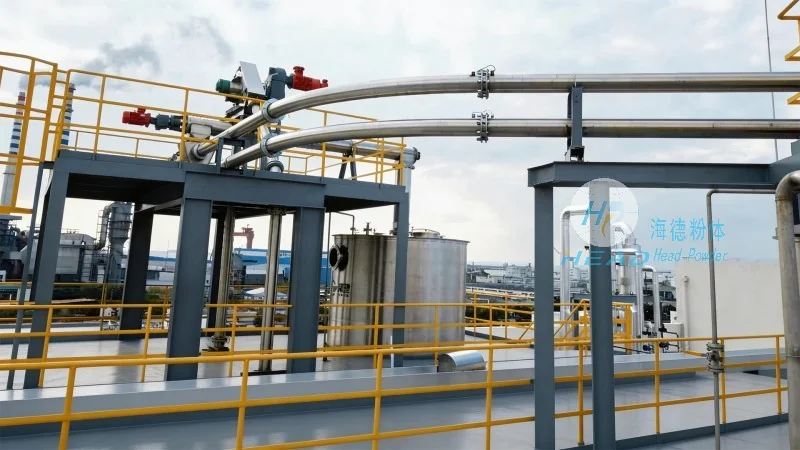
Before delving into the specific conveying methods, it is essential to understand the properties of heavy calcium carbonate that influence its handling. Heavy calcium carbonate is typically a fine powder with a specific gravity around 2.7, making it prone to dust generation and requiring specialized equipment to handle safely and effectively. The conveying methods must address challenges such as dust control, material flow consistency, and energy efficiency to meet industrial standards.
Common Conveying Methods for Heavy Calcium Carbonate
There are several established methods for conveying heavy calcium carbonate, each with its own advantages and suitable applications. The choice of method depends on factors like the material's bulk density, the distance to be conveyed, and the required flow rate. The primary methods include:
Pneumatic Conveying Systems
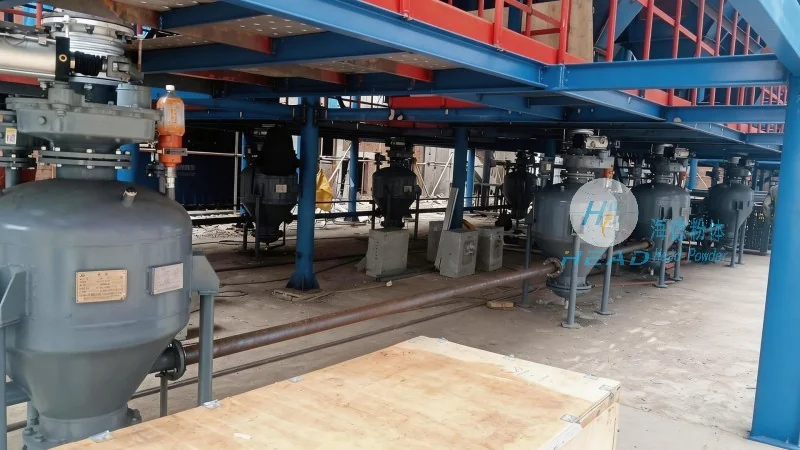
Pneumatic conveying is a popular method for transporting heavy calcium carbonate, especially in applications where dust control is a priority. This system uses air pressure to move the material through a pipeline. There are two main types of pneumatic conveying: pressure and vacuum systems. Pressure systems use compressed air to push the material forward, while vacuum systems use a vacuum to draw the material into the pipeline. The headpowder company, Shandong HeadPowder Engineering Co., Ltd., specializes in designing and manufacturing customized pneumatic conveying solutions tailored to the specific needs of clients. Their expertise ensures that the conveying systems are efficient, low-maintenance, and compliant with industry safety standards.
Mechanical Conveying Systems
Mechanical conveying methods, such as screw conveyors and belt conveyors, are also widely used for heavy calcium carbonate. Screw conveyors use a rotating screw to move the material along a trough, while belt conveyors use a continuous belt to transport the material. These systems are often preferred for shorter distances and lower flow rates. The mechanical conveying systems from headpowder are engineered to handle the abrasive nature of heavy calcium carbonate, ensuring long service life and minimal downtime. The company's design team considers factors like material abrasiveness, temperature, and environmental conditions to select the appropriate components, such as high-quality stainless steel or special coatings, to prevent wear and corrosion.
Hydraulic Conveying Systems
Hydraulic conveying systems use water or other liquids to transport heavy calcium carbonate. This method is particularly effective for handling materials with high moisture content or for long-distance transport. The material is suspended in the liquid and moved through pipelines. Hydraulic conveying systems are known for their high capacity and ability to handle large volumes of material. However, they require additional equipment for liquid management and may have higher maintenance costs compared to pneumatic or mechanical systems. Headpowder provides hydraulic conveying solutions that are designed for durability and efficiency, ensuring reliable operation in demanding industrial environments.
Electromagnetic Conveying Systems
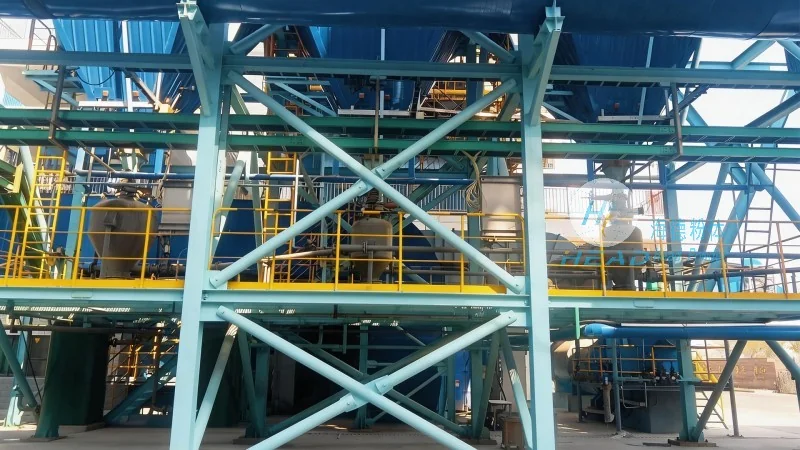
Electromagnetic conveying is a less common but innovative method that uses electromagnetic fields to move heavy calcium carbonate. This technology is still in the development stage but shows promise for certain applications. The system works by creating a magnetic field that induces movement in the material, allowing it to be transported without physical contact. While still experimental, electromagnetic conveying has the potential to reduce wear and energy consumption in the future. Headpowder is actively researching and developing new technologies to incorporate advanced conveying methods into their products, ensuring they remain at the forefront of the industry.
Factors to Consider When Choosing a Conveying Method
When selecting a conveying method for heavy calcium carbonate, several factors must be considered to ensure optimal performance and cost-effectiveness. These factors include the material's properties, the distance and height of the conveyance, the required flow rate, and the available space. The headpowder team conducts thorough assessments of each client's specific requirements to recommend the most suitable conveying system. They also provide comprehensive support, including installation, maintenance, and training, to ensure that the system operates at its best. By considering these factors and leveraging their expertise, clients can choose a conveying method that maximizes efficiency, minimizes downtime, and meets all safety and regulatory requirements.
Conclusion
Choosing the right heavy calcium carbonate conveying method is critical for maintaining production efficiency and ensuring product quality. With a range of options available, from pneumatic to mechanical and hydraulic systems, companies like Shandong HeadPowder Engineering Co., Ltd. (headpowder) provide tailored solutions that address the unique challenges of each application. By understanding the properties of heavy calcium carbonate and the advantages of each conveying method, businesses can make informed decisions that lead to improved operational performance and cost savings. Headpowder's commitment to quality, innovation, and customer satisfaction makes them a trusted partner for heavy calcium carbonate conveying solutions.

 Công ty TNHH Kỹ thuật Công trình Bột Hải Đức Sơn Đông
 156-6277-7102(Quản lý Trương)
  0531-83386006
  Quận Chương Khâu, Thành phố Tế Nam, Tỉnh Sơn Đông, Trung Quốc
Điện thoại
WeChatTư vấn
Lên đầu