Công ty Hải Đức Bột với hơn 10 năm kinh nghiệm vận chuyển khí, cung cấp hệ thống‑thiết bị‑quạt gió và nhận dự án tổng thầu bột cả nước
When it comes to handling and transporting bentonite—a key industrial clay used in various applications such as drilling fluids, paper manufacturing, and foundry casting—choosing the right conveyance method is crucial for efficiency, cost-effectiveness, and operational safety. The methods employed can significantly impact the overall performance of processing lines, and understanding the available options is essential for industrial operators. This article explores the primary methods for bentonite conveyance, detailing their characteristics, advantages, and typical applications.
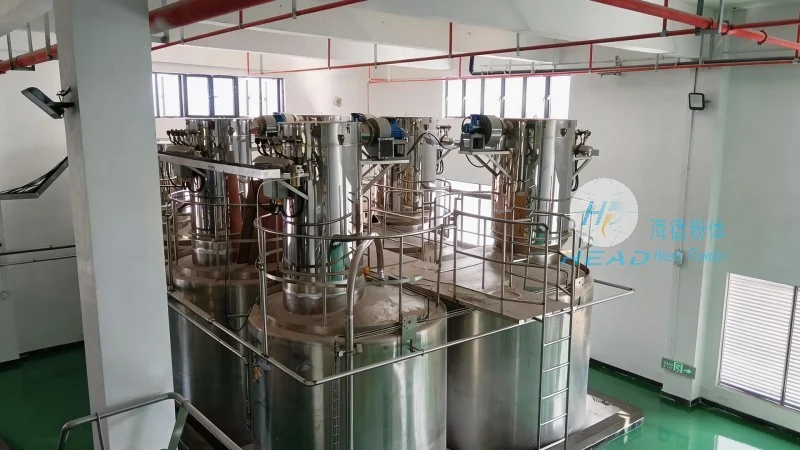
1. Screw Conveyors (Auger Conveyors)
Screw conveyors, also known as auger conveyors, are among the most common and versatile equipment for transporting bentonite. These systems consist of a rotating screw (or helical blade) enclosed within a U-shaped or tubular housing. As the screw rotates, it pushes the material forward, allowing for both horizontal and inclined transport. For bentonite, screw conveyors are particularly effective due to their ability to handle dry or slightly moist powders without the need for additional moisture control. The design minimizes material degradation and ensures a consistent flow rate, making it suitable for continuous processing operations. In industrial settings, screw conveyors are often used in combination with other equipment, such as mixers or storage silos, to form integrated bentonite handling systems. The compact design of screw conveyors also makes them ideal for spaces with limited vertical or horizontal clearance, a common constraint in many processing facilities.
2. Belt Conveyors
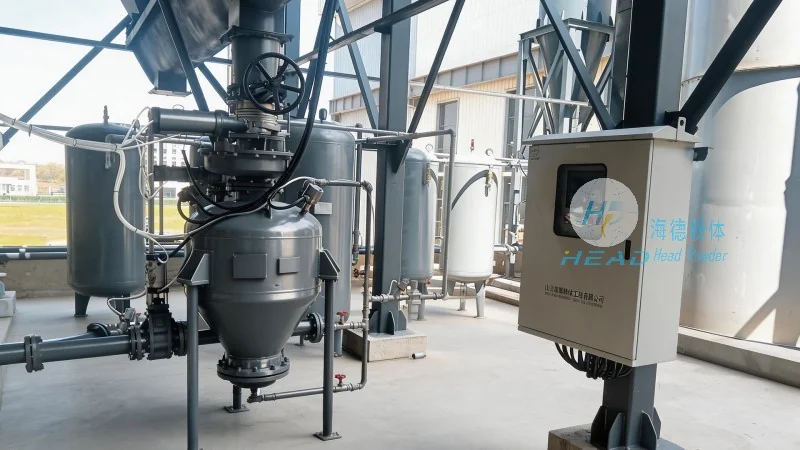
Belt conveyors represent another widely used method for bentonite transport, especially in applications requiring long-distance or high-volume material movement. These systems utilize a continuous belt, typically made of rubber or synthetic materials, that moves over rollers or pulleys. The belt is driven by a motor, and the material is placed on the belt surface, which then transports it to the desired location. Belt conveyors are particularly advantageous for bentonite because they can handle large quantities of material with minimal maintenance. The smooth, continuous motion of the belt reduces the risk of material segregation or degradation, which is critical for maintaining the quality of bentonite used in sensitive applications like drilling fluids. Additionally, belt conveyors can be easily integrated with other processing equipment, such as crushers or classifiers, to form a seamless material handling line. Their ability to operate at high speeds and over extended distances makes them suitable for large-scale industrial operations, where efficiency and throughput are paramount.
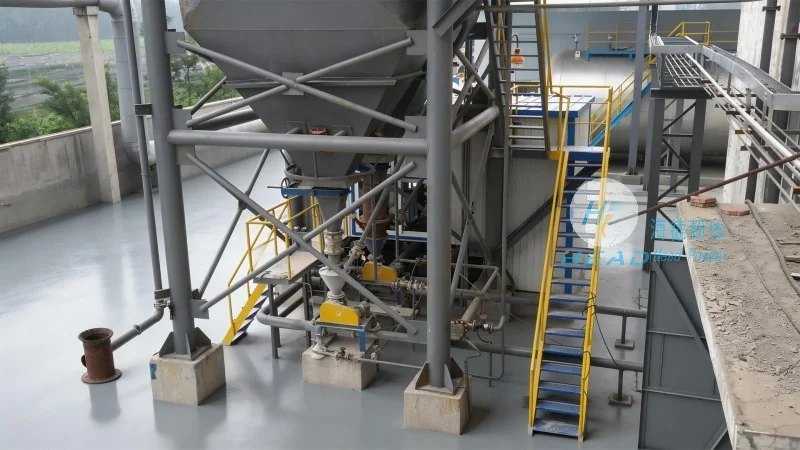
3. Pneumatic Conveying Systems
Pneumatic conveying systems use air or other gases to transport bentonite particles through a pipeline. This method is particularly effective for handling fine, dry powders like bentonite, as it minimizes the risk of material degradation and contamination. There are two main types of pneumatic conveying: pressure and vacuum systems. Pressure systems force air through the pipeline, pushing the material forward, while vacuum systems create a negative pressure to draw the material into the pipeline. For bentonite, pressure systems are more commonly used due to their ability to handle larger particle sizes and higher material loads. Pneumatic conveying offers several benefits, including the ability to transport material over long distances (up to several kilometers) and through vertical lifts, without the need for intermediate transfer points. This reduces the risk of material spillage and improves overall operational safety. However, pneumatic systems require careful design to ensure proper air flow and pressure control, as improper operation can lead to material blockages or system inefficiencies. They are particularly suitable for applications where dust control and hygiene are critical, such as in food processing or pharmaceutical industries, though they can also be adapted for industrial bentonite handling.
4. Bucket Elevators
Bucket elevators are vertical or inclined conveyors that use a chain or belt with attached buckets to transport bentonite. The buckets are filled with material at the bottom of the elevator and then lifted vertically or at an angle, depositing the material at the top. This method is highly efficient for vertical transport of bentonite, especially in applications where the material needs to be lifted to elevated storage silos or processing equipment. Bucket elevators are particularly effective for handling dry, free-flowing powders like bentonite, as the buckets prevent material from falling back or being discharged prematurely. The design minimizes material degradation and ensures a consistent flow rate, making it suitable for continuous processing operations. One of the key advantages of bucket elevators is their ability to handle high material loads with minimal power consumption, which is important for large-scale industrial applications. However, bucket elevators require regular maintenance to ensure the buckets remain in good condition and the chain or belt operates smoothly. They are commonly used in combination with other equipment, such as feeders or mixers, to form a complete bentonite handling system. The vertical design of bucket elevators also allows for space-saving installation, which is beneficial in facilities with limited horizontal space.

 Công ty TNHH Kỹ thuật Công trình Bột Hải Đức Sơn Đông
 156-6277-7102(Quản lý Trương)
  0531-83386006
  Quận Chương Khâu, Thành phố Tế Nam, Tỉnh Sơn Đông, Trung Quốc
Điện thoại
WeChatTư vấn
Lên đầu