Công ty Hải Đức Bột với hơn 10 năm kinh nghiệm vận chuyển khí, cung cấp hệ thống‑thiết bị‑quạt gió và nhận dự án tổng thầu bột cả nước
When it comes to efficiently transporting mineral sand, selecting the right conveying method is crucial for optimizing operations and ensuring cost-effectiveness. As a leading provider in the industry, Shandong HeadPowder Engineering Co., Ltd. specializes in delivering tailored solutions that meet the diverse needs of mining and processing facilities. This article explores the various methods of mineral sand conveying, highlighting their applications, advantages, and considerations for different operational scenarios.
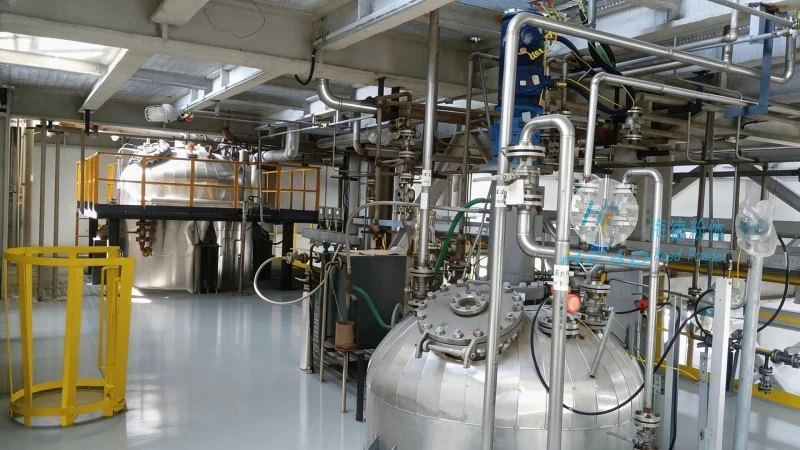
1. Belt Conveyors: The Workhorse of Bulk Material Handling
Belt conveyors are among the most widely used systems for mineral sand transportation due to their versatility and efficiency. These systems consist of a continuous belt that moves over rollers or pulleys, transporting sand from one location to another. The design of belt conveyors can be customized to handle various sand types, including fine and coarse particles, and can be configured with inclines or declines to suit different site layouts. One of the key advantages of belt conveyors is their ability to transport large volumes of material over long distances with minimal maintenance. They are particularly suitable for open-pit mining operations and processing plants where continuous material flow is essential. The robust construction of these systems ensures durability in harsh environments, making them a reliable choice for industrial applications.
2. Screw Conveyors: Ideal for Horizontal and Slight Inclined Transport
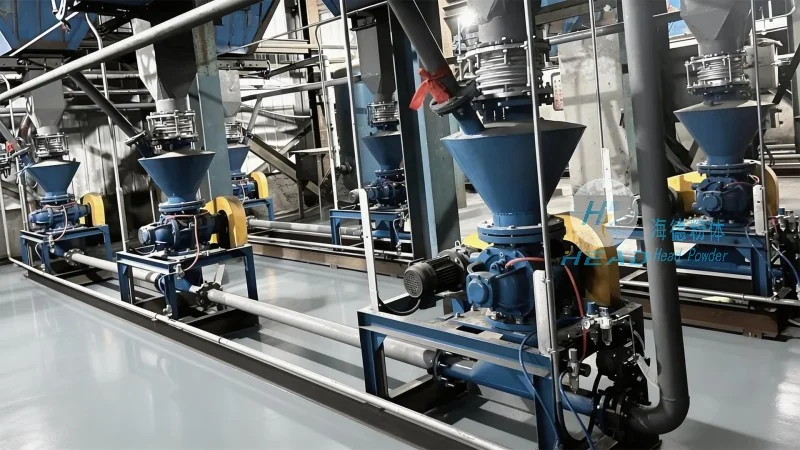
Screw conveyors, also known as auger conveyors, are an excellent option for transporting mineral sand in horizontal or slightly inclined directions. These systems utilize a rotating screw (auger) enclosed in a tube to move material forward. The design allows for compact installations and can be integrated into existing processing lines without significant modifications. Screw conveyors are particularly effective for handling dry sand with low to moderate moisture content, as they prevent material segregation and ensure consistent flow. Their enclosed design also helps contain dust and minimize environmental impact, which is a critical consideration in modern mining operations. While screw conveyors are less suitable for long-distance transport compared to belt systems, they excel in applications requiring precise control over material movement, such as feeding silos or processing equipment.
3. Pneumatic Conveying Systems: The Solution for Dust-Free and Flexible Transport
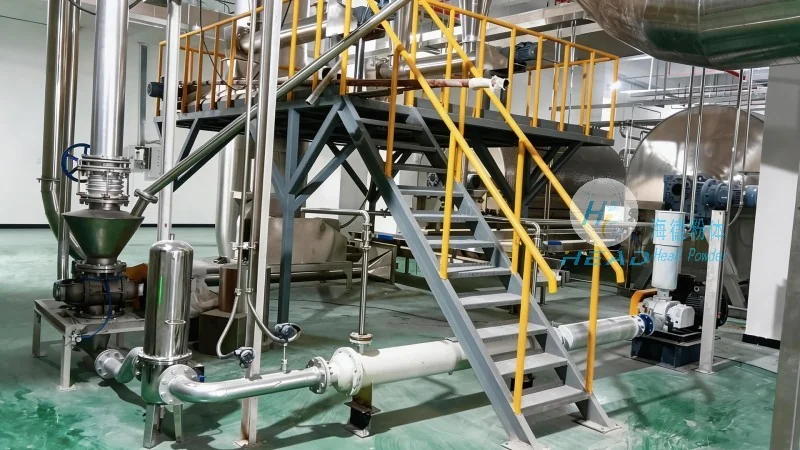
Pneumatic conveying systems use air pressure to transport mineral sand through a network of pipes. This method is ideal for applications where dust control and flexibility are paramount. The system consists of a hopper, a blower, and a pipeline network that moves sand from the source to the destination. Pneumatic conveyors are particularly effective for transporting fine sand and can handle materials with high moisture content or abrasive properties. One of the main advantages of this method is its ability to transport material vertically and horizontally with minimal space requirements. The enclosed pipeline design ensures that dust is contained and does not spread into the environment, making it a preferred choice for indoor or controlled outdoor applications. However, pneumatic systems require higher energy input compared to mechanical conveyors, and the initial investment can be higher due to the need for specialized equipment and ductwork.
4. Vibrating Conveyors: Efficient for Bulk Material Handling with Low Maintenance
Vibrating conveyors use vibration to move mineral sand along a trough. These systems are designed to handle a wide range of sand types, including sticky or cohesive materials that may be difficult to transport with other methods. The conveyor consists of a trough supported by vibration motors, which cause the material to move forward due to the vibration. Vibrating conveyors are particularly effective for applications requiring gentle handling, such as transporting sand with high moisture content or containing delicate particles. They are also suitable for long-distance transport and can be configured with multiple sections to handle complex layouts. The low maintenance requirements of vibrating conveyors make them a cost-effective solution for many industrial operations. However, they may not be as efficient for very fine or powdery sand, as the vibration can cause material segregation or clogging in the trough.
5. Hydraulic Conveying: A Specialized Method for Specific Applications
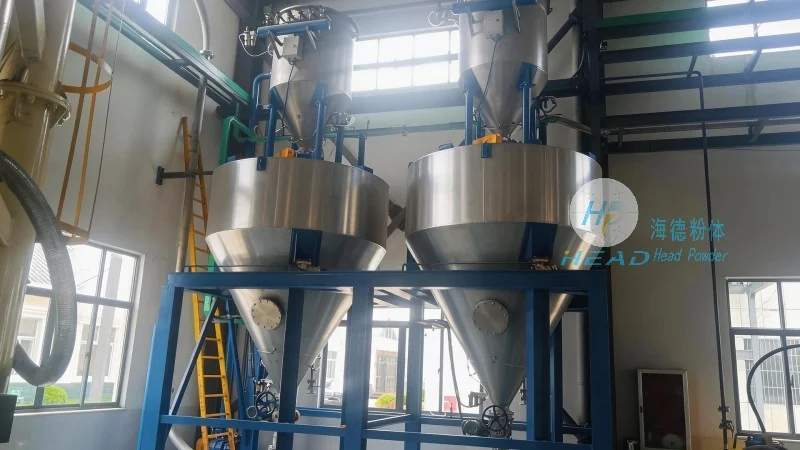
Hydraulic conveying systems use water to transport mineral sand, typically in a slurry form. This method is most commonly used in mining operations where the sand is mixed with water to create a slurry that can be pumped through pipelines. Hydraulic conveyors are particularly effective for transporting sand over long distances, especially in underground mining or remote locations where other methods may be impractical. The system consists of a slurry pump, pipelines, and a settling tank to separate the sand from the water. One of the main advantages of hydraulic conveying is its ability to handle high volumes of material with minimal energy input. However, this method requires careful management of water usage and disposal, as the slurry must be treated to prevent environmental contamination. Hydraulic systems are also more complex to install and maintain compared to other conveying methods, making them suitable only for specific applications where their unique advantages outweigh the drawbacks.
6. Combining Methods for Optimal Mineral Sand Conveying
In many industrial settings, a combination of conveying methods is used to achieve the best results. For example, a mining operation might use a belt conveyor to transport sand from the pit to a processing plant, then switch to a screw conveyor to feed a silo, and finally use a pneumatic system to deliver the sand to a specific processing unit. This integrated approach allows for efficient material flow and minimizes bottlenecks in the production process. Shandong HeadPowder Engineering Co., Ltd. specializes in designing and implementing such integrated conveying systems, ensuring that each component is optimized for the specific needs of the operation. By combining different methods, companies can achieve higher productivity, lower operational costs, and improved safety in their mineral sand handling processes.
When selecting a mineral sand conveying method, it is essential to consider factors such as the type and size of the sand, the distance to be covered, the environmental regulations in the area, and the overall budget. Each method has its strengths and limitations, and the best choice depends on the specific requirements of the application. With the expertise of Shandong HeadPowder Engineering Co., Ltd., businesses can ensure that their mineral sand conveying systems are not only efficient but also sustainable and compliant with industry standards. By investing in the right conveying technology, companies can enhance their operational performance and achieve long-term success in the mining and processing industry.

 Công ty TNHH Kỹ thuật Công trình Bột Hải Đức Sơn Đông
 156-6277-7102(Quản lý Trương)
  0531-83386006
  Quận Chương Khâu, Thành phố Tế Nam, Tỉnh Sơn Đông, Trung Quốc
Điện thoại
WeChatTư vấn
Lên đầu