Công ty Hải Đức Bột với hơn 10 năm kinh nghiệm vận chuyển khí, cung cấp hệ thống‑thiết bị‑quạt gió và nhận dự án tổng thầu bột cả nước
When it comes to handling and transporting starch, selecting the right method is crucial for efficiency and product integrity. As a leading provider in the industry, Shandong HeadPowder Engineering Co., Ltd. specializes in delivering tailored solutions that address the unique needs of starch processing operations. Based in Shandong, China, HeadPowder offers a range of transport systems designed to optimize workflow and ensure consistent performance in starch handling applications.
Understanding Starch Transport: The Core Principles
Starch, a primary ingredient in many food and industrial products, requires careful handling to maintain its quality and prevent degradation. The choice of transport method depends on several factors, including the type of starch (e.g., corn, potato, or tapioca), the volume of material, the distance to be covered, and the desired level of automation. Each method has its advantages and limitations, making it essential to evaluate the specific requirements of your operation before making a decision.
Common Starch Transport Methods
There are several established methods for transporting starch, each suited to different operational scenarios. The most common approaches include gravity-based systems, mechanical conveyors, and pneumatic (air) transport systems. Each method leverages different principles to move starch from one location to another, and understanding their characteristics can help in selecting the most appropriate solution for your needs.
Gravity Transport Systems
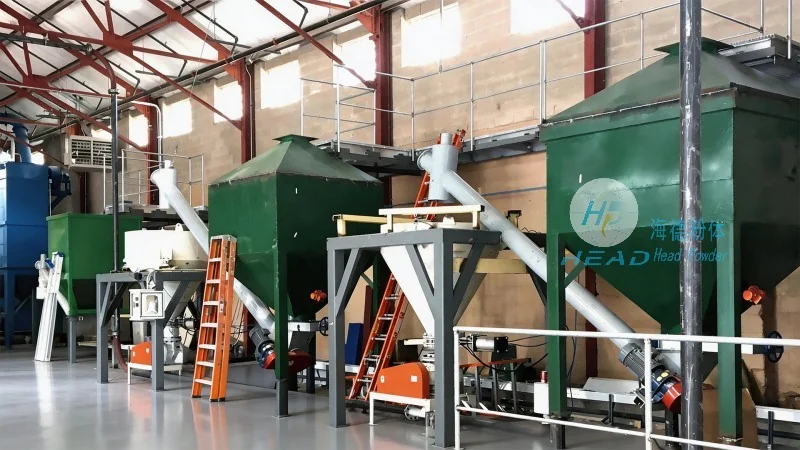
Gravity transport, also known as chute or sloped pipe systems, relies on the natural force of gravity to move starch from a higher to a lower elevation. This method is simple and cost-effective, making it ideal for short distances and low-volume applications. The starch is typically poured or discharged from a storage silo or hopper into a sloped pipe, which directs it to the processing area. While effective for certain scenarios, gravity systems may not be suitable for long distances or when precise control over flow rate is required.
Mechanical Conveyors: Belt and Screw Conveyors
For medium to high-volume starch transport, mechanical conveyors are often the preferred choice. Two common types are belt conveyors and screw (auger) conveyors. Belt conveyors use a continuous belt to move starch along a fixed path, while screw conveyors utilize a rotating screw to push material forward. Both systems are highly reliable and can handle a wide range of starch types, including powders and granules. They offer better control over flow rates and can be integrated with other processing equipment, making them versatile for various industrial applications.
Pneumatic (Air) Transport Systems
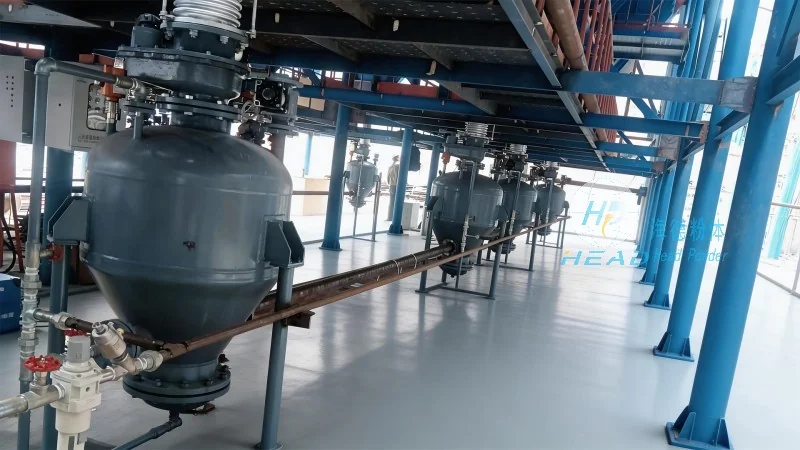
Pneumatic transport, or air conveying, is a more advanced method that uses compressed air to move starch through a pipeline. This system is particularly effective for long-distance transport and can handle fine powders without causing dust or contamination. The starch is suspended in the air stream and transported to the destination, where it is collected and separated from the air. Pneumatic systems are ideal for applications requiring high levels of automation and minimal human intervention, though they may require more maintenance and energy compared to other methods.
Choosing the Right Starch Transport Method: Factors to Consider
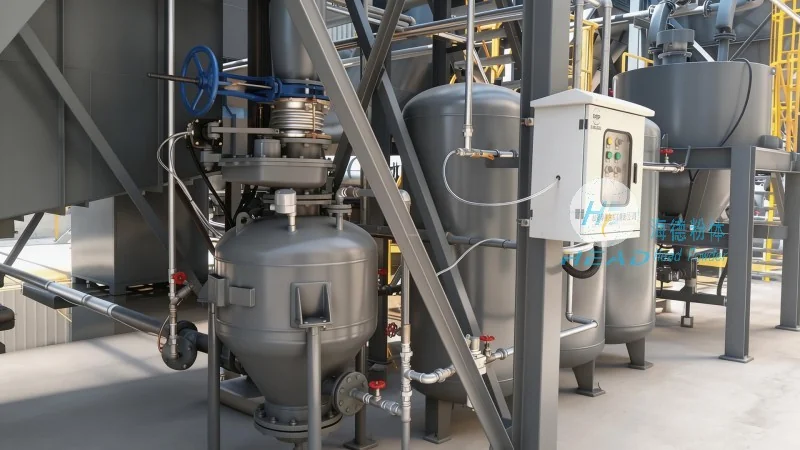
When selecting a starch transport method, several key factors should be evaluated to ensure optimal performance. The first consideration is the distance and elevation change between the source and destination. For short horizontal or vertical distances, gravity or mechanical conveyors may suffice, while pneumatic systems are better suited for longer distances or when precise control is needed. The volume of starch to be transported is another critical factor; high-volume operations may benefit from mechanical or pneumatic systems, whereas low-volume applications can use gravity or smaller conveyors.
Material characteristics, such as particle size, moisture content, and flowability, also play a significant role. For example, fine starch powders may require pneumatic transport to avoid clogging, whereas bulkier granules can be handled by screw or belt conveyors. Additionally, the need for dust control and environmental compliance may influence the choice of system. Some methods, like pneumatic transport, can help minimize dust exposure, while others may require additional dust suppression measures.
HeadPowder's Expertise in Starch Transport Solutions
Shandong HeadPowder Engineering Co., Ltd. understands the complexities of starch transport and offers customized solutions tailored to each client's specific requirements. With years of experience in the industry, HeadPowder provides comprehensive support, from system design and installation to maintenance and troubleshooting. The company's team of experts works closely with clients to assess their operational needs, recommend the most suitable transport method, and ensure that the chosen system meets all safety and regulatory standards.
HeadPowder's commitment to quality and innovation is reflected in its product range, which includes a variety of conveyors, silos, and pneumatic systems designed for efficient starch handling. By leveraging advanced technology and engineering expertise, HeadPowder helps clients optimize their starch transport processes, reduce operational costs, and improve overall productivity. Whether you need a simple gravity chute or a complex pneumatic system, HeadPowder is dedicated to delivering reliable and effective solutions that enhance your starch processing operations.

 Công ty TNHH Kỹ thuật Công trình Bột Hải Đức Sơn Đông
 156-6277-7102(Quản lý Trương)
  0531-83386006
  Quận Chương Khâu, Thành phố Tế Nam, Tỉnh Sơn Đông, Trung Quốc
Điện thoại
WeChatTư vấn
Lên đầu