Công ty Hải Đức Bột với hơn 10 năm kinh nghiệm vận chuyển khí, cung cấp hệ thống‑thiết bị‑quạt gió và nhận dự án tổng thầu bột cả nước
Carbon black and coal powder are critical raw materials across industries like rubber, plastics, and pigments. Efficient and reliable conveying of these powders is vital for maintaining production efficiency and product quality. This article explores primary methods for transporting carbon black and coal powder, focusing on technologies and considerations that ensure safe, effective material handling.
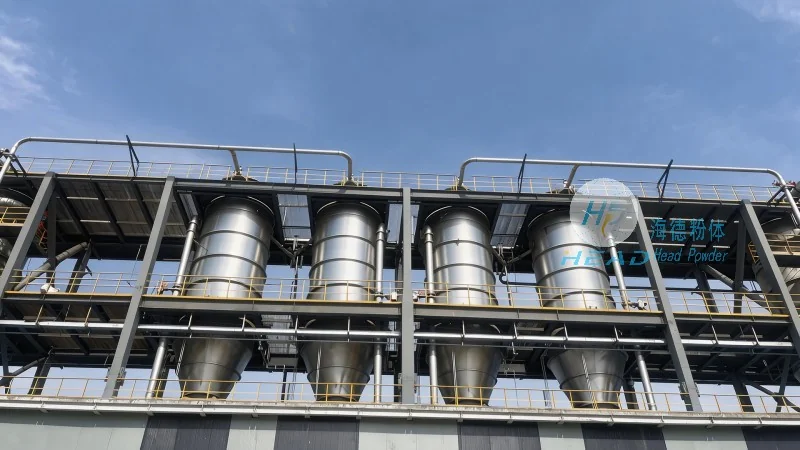
Overview of Conveying Systems for Carbon Black and Coal Powder
Conveying systems for carbon black and coal powder must address key challenges, including dust control, consistent material flow, and equipment durability. These fine powders often create dust, posing health and safety risks, while their abrasive nature demands specialized equipment to prevent wear and maintain performance. The choice of method depends on material properties, conveyance distance, and required flow rate.
Common Conveying Methods for Carbon Black and Coal Powder
Several methods are commonly used for transporting carbon black and coal powder. Each has advantages suited to different operational conditions.
Pneumatic Conveying Systems
Pneumatic conveying is widely used for fine powders like carbon black and coal powder. This system moves material via air or gases through a pipeline. Two main types exist: pressure (compressed air pushes material) and vacuum (suction pulls material). Pneumatic conveying offers benefits like low maintenance, long-distance capability, and closed-system operation to reduce dust exposure. However, it may require higher energy and careful pressure control for consistent flow.
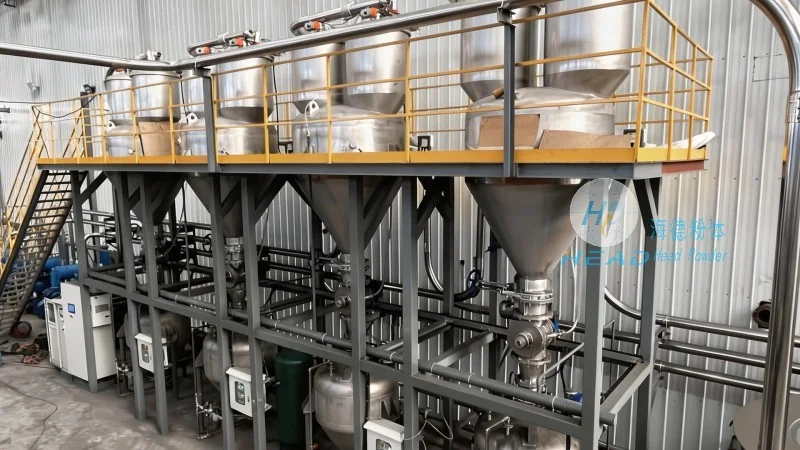
Screw Conveyors
Screw conveyors (auger conveyors) use a rotating screw inside a tube or trough to move material forward. Suitable for horizontal or slight inclines, they are effective for bulk materials. Simple in design and easy to integrate into production lines, they are cost-effective. Yet, they may not suit very fine powders due to excessive friction and wear, and are less ideal for long distances due to potential buildup and higher energy use.
Belt Conveyors
Belt conveyors are prevalent in bulk material handling, including carbon black and coal powder transport. They use a continuous belt (often rubber or durable materials) to move material. Effective for horizontal/slight inclines and high volumes, they are low-cost and easy to install. However, they may struggle with fine powders (material sticking to the belt) and require regular maintenance to prevent wear and blockages.
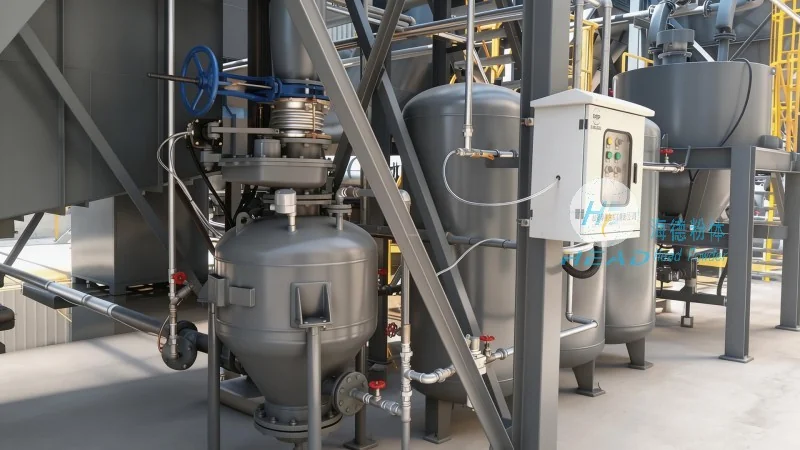
Bucket Elevators
Bucket elevators handle vertical or steeply inclined conveyance. They use a chain with buckets that move up/down inside a vertical/inclined casing, lifting and discharging material. Capable of large volumes and significant vertical distances, they prevent caking/sticking by keeping material in buckets. However, they demand more maintenance due to moving parts and potential wear on buckets/casing.
Considerations for Choosing the Right Conveying Method
When selecting a conveying method for carbon black and coal powder, key factors include material properties (particle size, moisture, abrasiveness), conveyance distance and flow rate, and dust control/safety needs. For example, fine powders may need pneumatic or low-friction systems, while coarser materials suit screw/belt conveyors. Longer distances may require pressure pneumatic or bucket elevators, while lower flow rates fit simpler systems. Closed systems (e.g., pneumatic) are preferred for dust control, and systems must minimize buildup to avoid downtime.
Conclusion
Efficient conveying of carbon black and coal powder is essential for production efficiency and quality. The method depends on material properties, distance, and flow rate. Pneumatic, screw, belt, and bucket elevators each have strengths and limitations. By carefully evaluating these factors, manufacturers ensure safe, effective transportation. Shandong HeadPowder Engineering Co., Ltd., a leading provider of powder handling solutions, offers tailored conveying systems. With expertise in material technology, HeadPowder delivers reliable, efficient solutions to support smooth, consistent production processes for carbon black and coal powder applications.

 Công ty TNHH Kỹ thuật Công trình Bột Hải Đức Sơn Đông
 156-6277-7102(Quản lý Trương)
  0531-83386006
  Quận Chương Khâu, Thành phố Tế Nam, Tỉnh Sơn Đông, Trung Quốc
Điện thoại
WeChatTư vấn
Lên đầu