Công ty Hải Đức Bột với hơn 10 năm kinh nghiệm vận chuyển khí, cung cấp hệ thống‑thiết bị‑quạt gió và nhận dự án tổng thầu bột cả nước
When it comes to handling iron oxide powder, selecting the right conveying method is crucial for efficiency, safety, and product integrity. The choice of conveying system depends on factors such as the powder's properties, production scale, and the specific requirements of the application. In this article, we explore the common methods used for iron oxide powder transportation, providing insights into their advantages and practical applications.
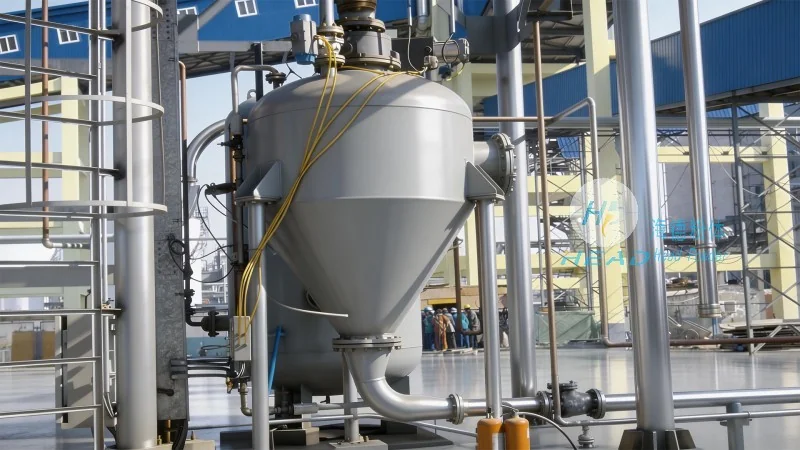
1. Air-Driven Pneumatic Conveying Systems
Pneumatic conveying is a widely adopted method for iron oxide powder due to its ability to transport materials in a closed system, minimizing dust exposure and contamination. This method uses compressed air to move the powder through a network of pipes. There are two main types: dilute-phase and dense-phase systems. Dilute-phase systems are suitable for long-distance transport and high-volume applications, while dense-phase systems are ideal for handling fine powders and preventing segregation. The choice between these depends on the powder's flowability and the desired control over particle movement. For example, in industrial settings where iron oxide is used in pigment production, a dilute-phase system can efficiently move large quantities of powder from storage silos to processing units, ensuring consistent flow rates and reducing the risk of clogging. The closed-loop design of pneumatic conveyors also enhances safety by containing dust and preventing environmental contamination, which is critical for compliance with industrial regulations. Additionally, this method allows for precise control over the conveying speed and pressure, enabling operators to adjust the system based on real-time production needs. However, it's important to consider the energy consumption and maintenance requirements of pneumatic systems, as they may require regular cleaning of air filters and pipe lines to maintain optimal performance.
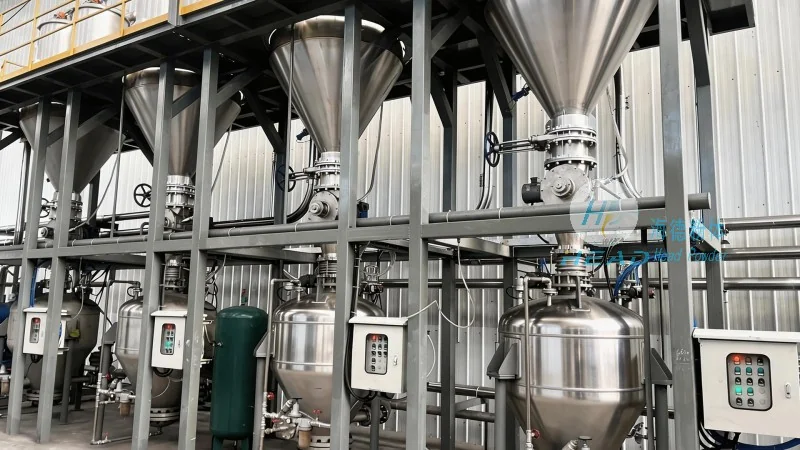
2. Screw Conveyors for Iron Oxide Powder
Screw conveyors, also known as auger conveyors, are another effective solution for iron oxide powder handling. These systems use a rotating helical screw to move material along a trough or tube. Screw conveyors are particularly suitable for horizontal or slightly inclined transport, making them ideal for moving powder from one location to another within a facility. They are often used in applications where the powder needs to be elevated or transferred between different levels. The design of screw conveyors allows for a compact footprint, which is beneficial in space-constrained environments. For instance, in a manufacturing plant producing iron oxide pigments, a screw conveyor can transport the powder from a raw material storage area to a mixing or grinding unit. The screw's rotation creates a continuous flow, reducing the risk of material buildup and ensuring a steady supply of powder to the processing equipment. One advantage of screw conveyors is their ability to handle a wide range of powder types, including those with varying moisture content or particle sizes. However, they may not be suitable for very fine or cohesive powders, as these can cause the screw to stall or lead to blockages. In such cases, modifications like adding a flight or using a flexible screw may be necessary to improve flow characteristics. Regular maintenance, such as checking for wear on the screw and trough, is essential to prevent breakdowns and ensure consistent performance.
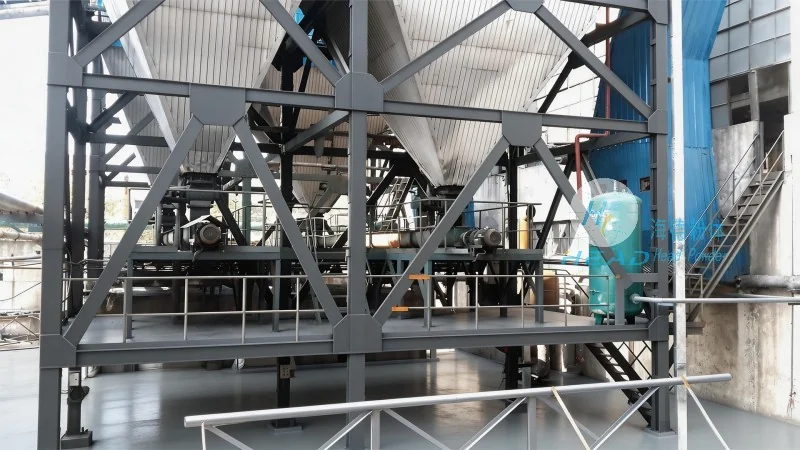
3. Belt Conveyors in Iron Oxide Powder Handling
Belt conveyors are commonly used for the bulk transport of iron oxide powder, especially in applications requiring long-distance movement or high throughput. These systems consist of a continuous belt that moves over rollers or pulleys, transporting the powder from one point to another. Belt conveyors are highly efficient for horizontal and slightly inclined transport, making them suitable for connecting different parts of a production line or moving material from a storage silo to a processing facility. They are particularly effective for handling large volumes of powder, as the belt can be wide and long, accommodating high flow rates. For example, in a mining or pigment production facility, a belt conveyor can transport iron oxide powder from a raw material handling area to a processing unit, ensuring a smooth and continuous supply. The design of belt conveyors allows for easy integration with other equipment, such as feeders or classifiers, enabling a seamless flow of material through the production process. One key advantage of belt conveyors is their low maintenance requirements compared to other systems, as they have fewer moving parts and are less prone to wear. However, they may not be suitable for fine powders that tend to fall through the belt or for applications requiring precise control over the material's position. Additionally, the risk of dust generation during operation needs to be managed, often through the use of dust collection systems or sealing mechanisms. Proper maintenance, including regular inspection of the belt tension and pulley alignment, is crucial to prevent slippage or damage to the conveyor.
4. Hydraulic Conveying Systems
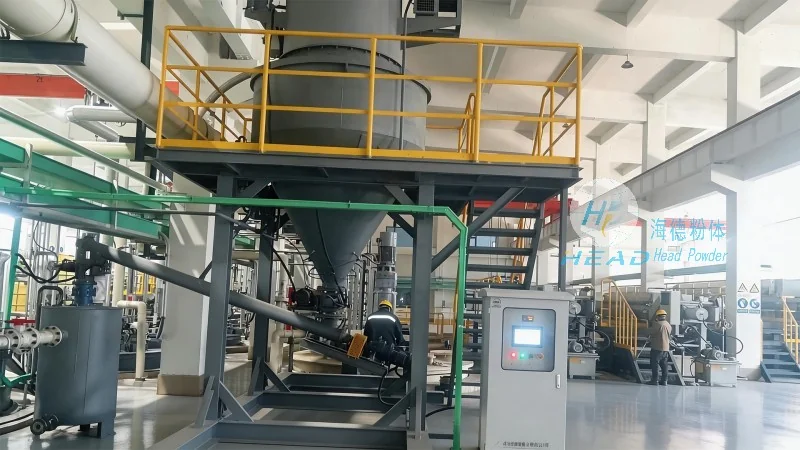
Hydraulic conveying systems use water or other liquids to transport iron oxide powder, making them suitable for applications where dust control is a priority and the powder needs to be moved over long distances. This method involves mixing the powder with a liquid to form a slurry, which is then pumped through a pipeline. The slurry is later separated from the liquid, and the powder is recovered. Hydraulic conveying is particularly effective for handling fine or cohesive powders that are difficult to transport using other methods. For example, in the production of iron oxide pigments, a hydraulic system can transport the powder from a storage silo to a processing unit, ensuring a consistent flow rate and preventing clogging. The closed system of hydraulic conveyors minimizes dust exposure and environmental impact, which is important for industrial compliance. However, this method requires additional equipment for slurry separation and liquid recycling, increasing the overall cost and complexity of the system. The energy consumption is also higher compared to pneumatic systems, as pumping the slurry requires more power. Additionally, the risk of corrosion and scaling in the pipelines needs to be managed through proper material selection and maintenance. Regular cleaning of the pipelines and separation equipment is essential to prevent blockages and ensure efficient operation.
5. Company Profile: Shandong HeadPowder Engineering Co., Ltd.
Shandong HeadPowder Engineering Co., Ltd., commonly known as HeadPowder, is a leading manufacturer and supplier of iron oxide powder and related conveying solutions. With a strong focus on quality and innovation, the company has established itself as a trusted partner in the industry. HeadPowder specializes in providing customized conveying systems tailored to the specific needs of its clients, ensuring optimal performance and reliability. The company's facilities are located in Shandong, China, where it leverages advanced technology and skilled expertise to develop and produce high-quality iron oxide products. HeadPowder's commitment to customer satisfaction is reflected in its comprehensive after-sales support, including technical assistance and maintenance services. By combining years of experience with cutting-edge solutions, HeadPowder helps clients improve their production efficiency and product quality, making it a preferred choice for businesses in the pigment, coating, and other industries that rely on iron oxide powder. The company's dedication to sustainability and environmental responsibility is also evident in its efforts to minimize waste and reduce the environmental impact of its operations.

 Công ty TNHH Kỹ thuật Công trình Bột Hải Đức Sơn Đông
 156-6277-7102(Quản lý Trương)
  0531-83386006
  Quận Chương Khâu, Thành phố Tế Nam, Tỉnh Sơn Đông, Trung Quốc
Điện thoại
WeChatTư vấn
Lên đầu