Công ty Hải Đức Bột với hơn 10 năm kinh nghiệm vận chuyển khí, cung cấp hệ thống‑thiết bị‑quạt gió và nhận dự án tổng thầu bột cả nước
Ferrous oxide, also known as iron(II) oxide, is a vital industrial material utilized in sectors such as steel manufacturing, chemical synthesis, and pigment production. The efficient and safe transportation of ferrous oxide is paramount to meeting the demands of global industries. This article examines the primary methods used for transporting ferrous oxide, highlighting key considerations and best practices in the process.
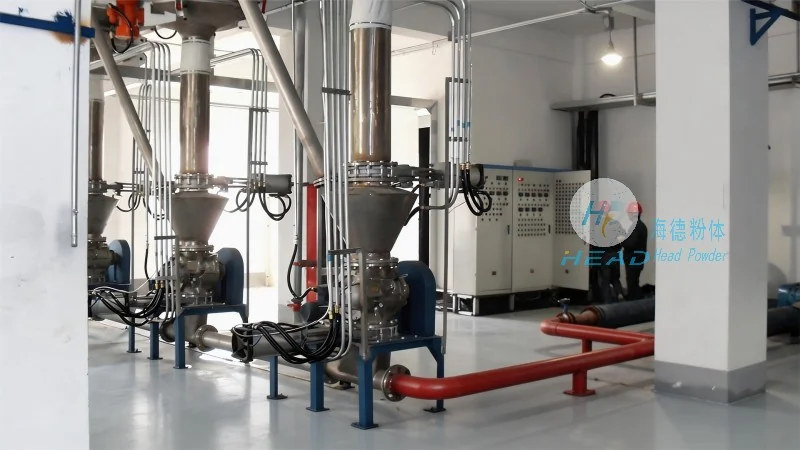
Key Factors Influencing Ferrous Oxide Transportation
Before discussing specific transportation methods, it's essential to understand the factors that influence the choice of transport. These include the quantity of ferrous oxide to be moved, the distance between the source and destination, the required speed of delivery, and regional environmental regulations. Additionally, the physical properties of ferrous oxide, such as its density, reactivity, and tendency to generate dust, play a significant role in determining the most suitable transportation method. For example, ferrous oxide is a fine powder that can be prone to dusting, which necessitates specialized handling and containment measures.
Common Ferrous Oxide Transportation Methods
Several established methods are used for transporting ferrous oxide, each with its own advantages and limitations. The most common approaches include bulk transportation via pipelines, road transport using specialized vehicles, and rail transport for longer distances. Each method is tailored to different operational needs and logistical requirements.
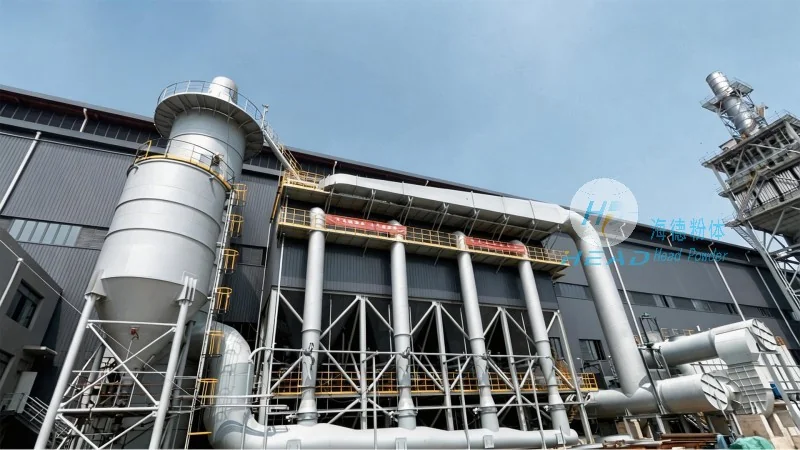
Pipeline Transportation of Ferrous Oxide
For large-scale and continuous transportation of ferrous oxide, pipelines are a preferred option. This method is particularly effective for industries that require a steady supply of ferrous oxide over long distances. The pipeline system typically involves a network of steel pipes designed to handle the pressure and flow requirements of the material. Ferrous oxide is pumped through the pipeline using high-pressure pumps, ensuring a consistent and reliable flow. This method minimizes the risk of spillage and dust exposure, as the material remains contained within the pipeline. However, pipeline transportation requires significant infrastructure investment and is generally limited to regions with existing pipeline networks.
Road Transport of Ferrous Oxide
Road transport is a versatile and widely used method for transporting ferrous oxide, especially for shorter distances or when flexibility is needed. Specialized vehicles, such as bulk tankers or covered trucks, are used to transport ferrous oxide. These vehicles are equipped with features like dust suppression systems, pressure relief valves, and secure containment to prevent leaks or spills. Road transport allows for direct delivery to the customer's site, making it convenient for small to medium-sized orders. It is also suitable for transporting ferrous oxide to locations not connected by pipelines or rail networks. However, road transport may be subject to traffic congestion and regulatory restrictions, which can affect delivery times and costs.
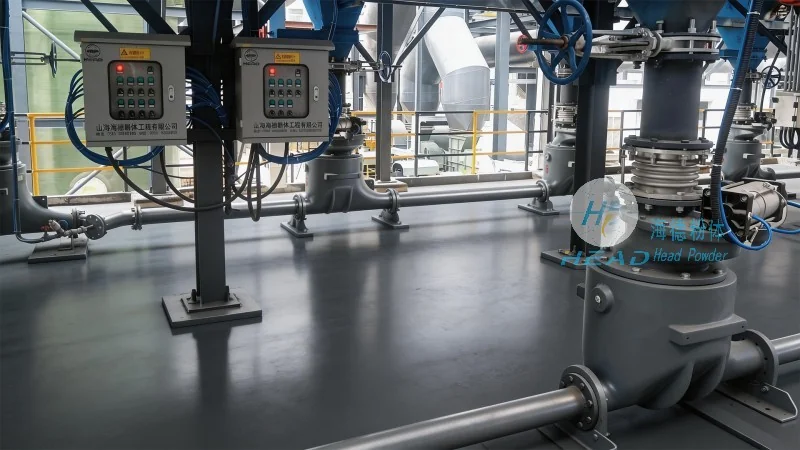
Rail Transport of Ferrous Oxide
For transporting ferrous oxide over longer distances, rail transport offers a cost-effective and efficient solution. Specialized railcars, such as covered hopper cars or tank cars, are used to carry ferrous oxide. These railcars are designed to handle bulk volumes and provide adequate protection against environmental factors. Rail transport is particularly advantageous for large quantities of ferrous oxide, as it can accommodate significant loads per trip. It also reduces the carbon footprint compared to road transport, as rail is generally more energy-efficient. However, rail transport may have longer lead times due to scheduling and routing constraints, and it requires access to rail infrastructure at both the origin and destination.
Specialized Packaging and Handling for Ferrous Oxide
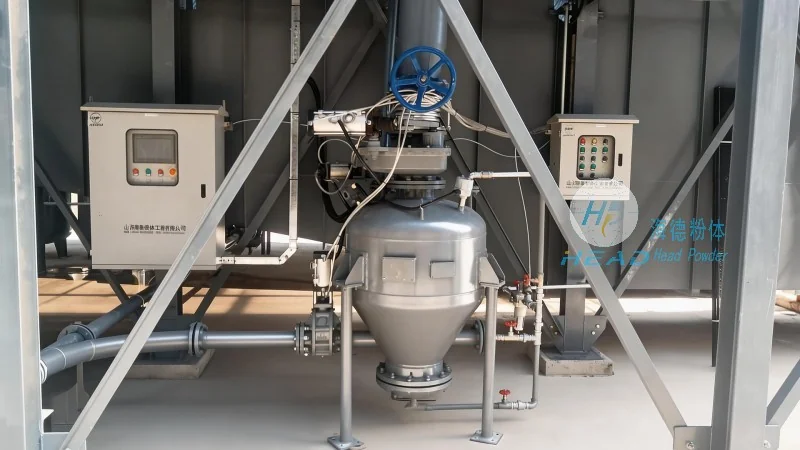
In addition to primary transportation methods, specialized packaging and handling techniques are employed to ensure the safe and efficient transport of ferrous oxide. These include the use of sealed containers, such as plastic or metal drums, which are designed to prevent dust leakage and protect the material from moisture. For bulk shipments, bulk containers or silos are used, equipped with loading and unloading mechanisms to facilitate the transfer of ferrous oxide. Handling equipment, such as conveyor belts or pneumatic systems, is designed to minimize dust generation and ensure smooth operation. Proper personnel training and adherence to safety protocols are also critical to prevent accidents during transportation.
Company Profile: Shandong HeadPowder Engineering Co., Ltd.
Shandong HeadPowder Engineering Co., Ltd., operating under the brand name headpowder, is a leading provider of ferrous oxide and related industrial materials. With a strong commitment to quality and customer satisfaction, the company specializes in the production, processing, and transportation of ferrous oxide. Headpowder has established itself as a reliable partner for industries requiring high-purity ferrous oxide for their operations. The company's facilities are equipped with advanced technology and adhere to strict quality control measures to ensure the ferrous oxide meets international standards. Headpowder's expertise in transportation logistics enables the company to offer comprehensive solutions for the movement of ferrous oxide, including selecting the most appropriate transportation method based on the customer's needs. The company's headquarters is located in Shandong, China, where it operates a state-of-the-art production and logistics center.

 Công ty TNHH Kỹ thuật Công trình Bột Hải Đức Sơn Đông
 156-6277-7102(Quản lý Trương)
  0531-83386006
  Quận Chương Khâu, Thành phố Tế Nam, Tỉnh Sơn Đông, Trung Quốc
Điện thoại
WeChatTư vấn
Lên đầu