Công ty Hải Đức Bột với hơn 10 năm kinh nghiệm vận chuyển khí, cung cấp hệ thống‑thiết bị‑quạt gió và nhận dự án tổng thầu bột cả nước
When it comes to managing industrial emissions, the selection of an appropriate desulfurizer delivery method is crucial for ensuring efficient and reliable operation. The choice of delivery system can significantly impact the performance of flue gas desulfurization (FGD) systems, which are essential for reducing sulfur dioxide (SO2) emissions from power plants and other industrial facilities. In this article, we will explore the various delivery methods available for desulfurizers, focusing on their applications, advantages, and considerations for implementation.
1. Pneumatic Conveying Systems
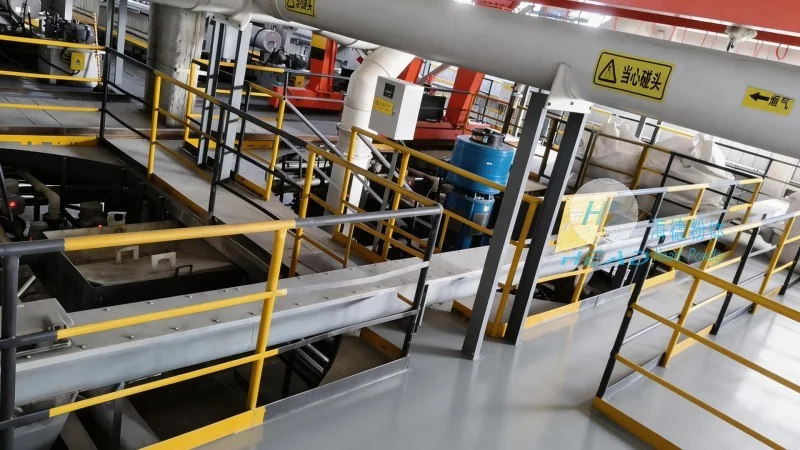
Pneumatic conveying is a widely used method for transporting desulfurizer powders, particularly in applications where the material is fine and requires a high degree of dust control. This method utilizes compressed air to move the desulfurizer from a storage silo or hopper to the injection point in the FGD system. There are two main types of pneumatic conveying: dilute phase and dense phase. Dilute phase systems operate at higher velocities, typically using air-to-solid ratios of 5 to 10, and are suitable for long-distance transport over several hundred meters. Dense phase systems, on the other hand, operate at lower velocities with higher air-to-solid ratios, which helps in reducing particle degradation and improving material handling efficiency. The choice between these two depends on factors such as the distance to the injection point, the required flow rate, and the characteristics of the desulfurizer powder. Pneumatic conveying offers advantages like minimal equipment footprint, the ability to handle abrasive materials, and the option for in-line blending with other chemicals. However, it requires a reliable compressed air supply and may need additional dust collection equipment to comply with environmental regulations.
2. Screw Conveyors
Screw conveyors, also known as auger conveyors, are another common method for transporting desulfurizer materials. These systems consist of a rotating helical screw inside a tube or trough, which moves the material forward through the conveyor. Screw conveyors are particularly effective for handling bulk materials with a moderate to high flow rate and are often used in applications where the material is not too abrasive or where the distance to the injection point is relatively short. They are simple in design, requiring less maintenance compared to pneumatic systems, and can be easily integrated into existing FGD infrastructure. The main advantage of screw conveyors is their ability to handle a wide range of materials, including those with varying moisture content, without the need for additional air or power sources. However, they may not be suitable for very fine powders or materials that are prone to caking, as these can cause blockages in the screw. Additionally, the power consumption of screw conveyors is generally higher than that of pneumatic systems, especially for long horizontal runs.
3. Belt Conveyors
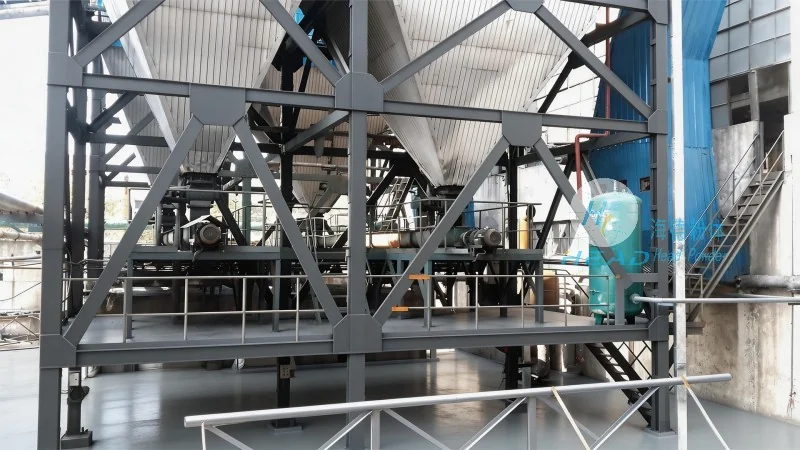
Belt conveyors are a versatile and robust method for transporting desulfurizer powders over longer distances and at higher capacities. These systems use a continuous belt that moves the material from the storage area to the injection point, often in conjunction with a hopper or feeder system. Belt conveyors are particularly effective for handling large volumes of material and can be customized to accommodate different particle sizes and flow rates. They are commonly used in industrial settings where the material needs to be transported over horizontal or slightly inclined distances, and they can be integrated with other equipment such as mixers or classifiers. The primary advantage of belt conveyors is their high capacity and reliability, as they can operate continuously without the need for frequent maintenance. However, they require a larger footprint compared to other methods and may need additional support structures to handle heavy loads. Belt conveyors are also susceptible to material spillage and require proper sealing and cleaning to prevent dust emissions.
4. Hydraulic Systems
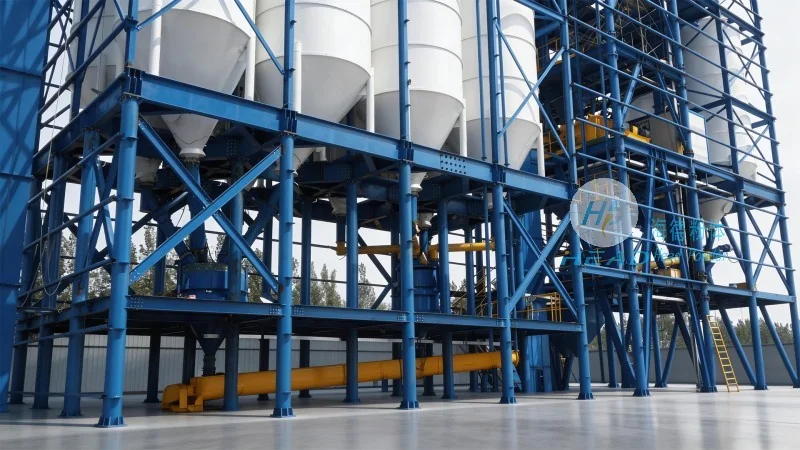
Hydraulic systems, such as slurry pumps or hydraulic conveyors, are used for transporting desulfurizer slurries, which are mixtures of the desulfurizer powder with water. This method is particularly suitable for applications where the material is in a liquid or semi-liquid state, such as when the desulfurizer is dissolved or suspended in water before injection. Hydraulic systems are effective for long-distance transport and can handle high flow rates, making them ideal for large-scale FGD systems. The main advantage of hydraulic systems is their ability to transport the desulfurizer in a controlled manner, ensuring consistent flow and preventing clogging. However, they require a reliable water supply and may need additional filtration equipment to maintain the quality of the slurry. Hydraulic systems are also more complex to install and maintain compared to pneumatic or mechanical systems, as they involve pumps, valves, and piping networks.
5. Combination Systems
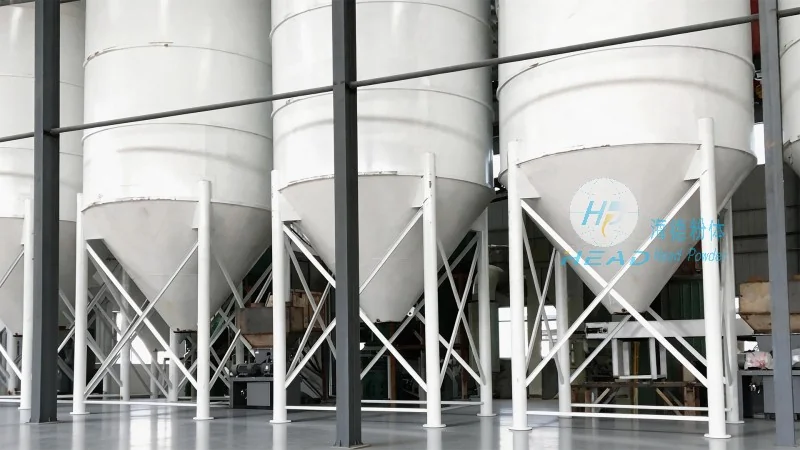
In some cases, a combination of delivery methods may be used to address the specific requirements of a desulfurization system. For example, a pneumatic system may be used to transport the desulfurizer from the storage silo to a intermediate hopper, followed by a screw conveyor to deliver the material to the injection point. This hybrid approach allows for the benefits of each method to be utilized, such as the efficiency of pneumatic transport and the reliability of mechanical conveyors. Combination systems are often used in complex FGD systems where multiple materials need to be handled, or where the distance and flow rate requirements vary significantly. The design of a combination system requires careful consideration of the material properties, the system layout, and the operational constraints to ensure optimal performance and minimal downtime.
When selecting a desulfurizer delivery method, several factors must be considered, including the characteristics of the desulfurizer powder (such as particle size, moisture content, and abrasiveness), the distance to the injection point, the required flow rate, and the available space and budget. Each method has its own advantages and limitations, and the optimal choice depends on the specific application and operational requirements. It is essential to work with experienced engineers and suppliers, such as Shandong HeadPowder Engineering Co., Ltd., to evaluate the best delivery system for a particular FGD project. By selecting the appropriate delivery method, industrial facilities can ensure efficient and reliable operation of their desulfurization systems, contributing to reduced emissions and compliance with environmental regulations.

 Công ty TNHH Kỹ thuật Công trình Bột Hải Đức Sơn Đông
 156-6277-7102(Quản lý Trương)
  0531-83386006
  Quận Chương Khâu, Thành phố Tế Nam, Tỉnh Sơn Đông, Trung Quốc
Điện thoại
WeChatTư vấn
Lên đầu