Công ty Hải Đức Bột với hơn 10 năm kinh nghiệm vận chuyển khí, cung cấp hệ thống‑thiết bị‑quạt gió và nhận dự án tổng thầu bột cả nước
Masterbatch, also known as color concentrate or pigment masterbatch, is a crucial component in the plastic processing industry. It serves as a pre-dispersed pigment system, allowing manufacturers to achieve consistent coloration and performance in plastic products. The efficient and reliable conveying of masterbatch is essential for maintaining product quality and operational efficiency in production lines. This article explores the various methods used for masterbatch conveying, highlighting the key features and applications of each approach.
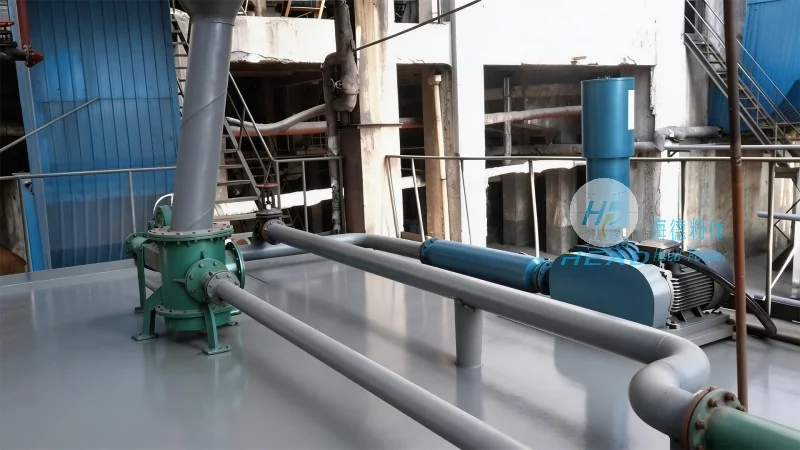
Introduction to Masterbatch Conveying
Masterbatch conveying involves the movement of masterbatch from storage to processing equipment, such as extruders or mixers. The choice of conveying method depends on several factors, including the type of masterbatch (e.g., powder or granular), production volume, environmental considerations, and the specific requirements of the manufacturing process. Proper selection of a conveying system ensures minimal product degradation, consistent flow rates, and adherence to safety standards. In this context, Shandong HeadPowder Engineering Co., Ltd., a leading manufacturer based in China, specializes in providing high-quality masterbatch products and conveying solutions tailored to diverse industrial needs.
Common Masterbatch Conveying Methods
Screw Conveyors
Screw conveyors, also known as auger conveyors, are among the most widely used methods for masterbatch conveying. These systems consist of a rotating helical screw inside a cylindrical tube, which moves material through the tube by friction. Screw conveyors are particularly effective for conveying dry, free-flowing masterbatch powders. They offer several advantages, including simplicity in design, low maintenance requirements, and the ability to operate in vertical or horizontal configurations. The smooth, continuous movement of material reduces the risk of product segregation and ensures a consistent feed rate to downstream equipment. However, screw conveyors may not be suitable for highly abrasive or sticky masterbatch materials, as this can lead to increased wear and reduced efficiency.
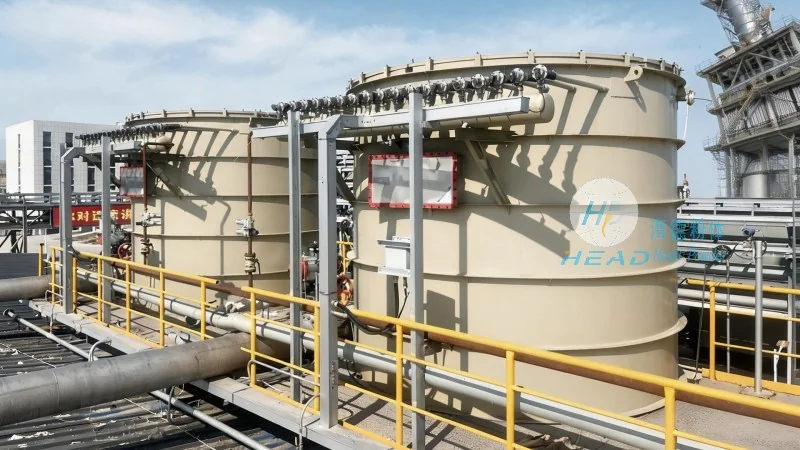
Air-Pressure Conveying Systems
Air-pressure conveying, or pneumatic conveying, utilizes compressed air to transport masterbatch through a pipeline. This method is ideal for conveying fine powders and granules over longer distances with minimal product degradation. There are two main types of pneumatic conveying systems: pressure and vacuum. Pressure systems use positive pressure to push material through the pipeline, while vacuum systems use negative pressure to pull material. Air-pressure conveying offers advantages such as high throughput, flexibility in layout, and the ability to handle materials that are difficult to convey mechanically. However, it requires careful control of air pressure and flow rates to prevent material clogging or degradation. Additionally, the system may need additional filtration to maintain air quality and prevent dust accumulation.
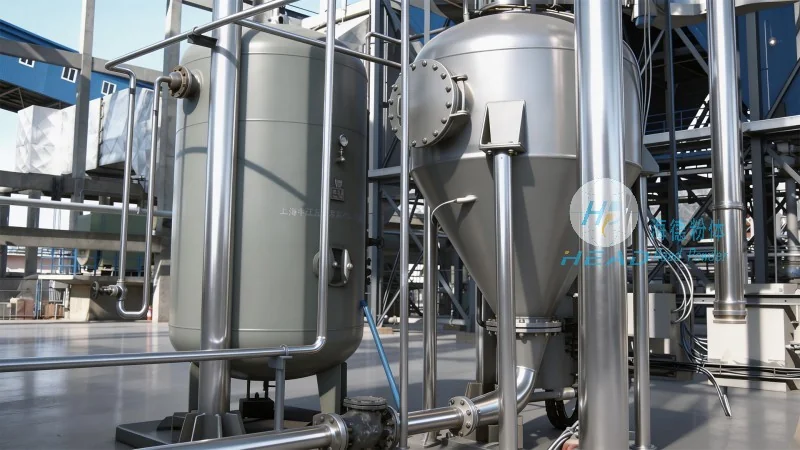
Vibrating Conveyors
Vibrating conveyors use vibration to move masterbatch along a trough or conveyor belt. These systems are commonly used for conveying bulk materials, including masterbatch powders. The vibration is typically generated by an electric motor or an unbalanced weight, which causes the conveyor to move in a sinusoidal pattern. Vibrating conveyors are suitable for materials that are prone to bridging or caking, as the vibration helps break up clumps and maintain a consistent flow. They are also effective for conveying materials at elevated temperatures, as the system can be designed to handle heat without compromising performance. However, vibrating conveyors may require more maintenance than other systems due to the moving parts and the need to prevent excessive vibration that could damage the equipment or the masterbatch.
Bucket Elevators

Bucket elevators are vertical conveying systems that use a series of buckets attached to a belt or chain to transport masterbatch from a lower to a higher level. These systems are commonly used in applications where vertical movement is required, such as transferring masterbatch from storage silos to processing equipment. Bucket elevators offer high capacity and the ability to handle large volumes of material efficiently. They are particularly effective for conveying dry, free-flowing masterbatch powders and can be designed to operate in both positive and negative pressure environments. However, bucket elevators may be more complex and expensive to install compared to other conveying methods. Additionally, they require regular maintenance to ensure the buckets remain in good condition and to prevent material buildup or clogging.
Selection Considerations for Masterbatch Conveying
The choice of masterbatch conveying method depends on several key factors, including the physical properties of the masterbatch, the production scale, and the specific requirements of the manufacturing process. For example, screw conveyors are often preferred for small to medium-scale operations due to their simplicity and cost-effectiveness. Air-pressure conveying is more suitable for large-scale operations or when long-distance transport is required. Vibrating conveyors are ideal for materials that are prone to bridging or caking, while bucket elevators are best for vertical transport needs. Shandong HeadPowder Engineering Co., Ltd. provides comprehensive guidance on selecting the most appropriate conveying system based on these factors, ensuring optimal performance and product quality.
Conclusion
Efficient masterbatch conveying is a critical aspect of plastic processing operations, directly impacting product quality, production efficiency, and operational costs. By understanding the various conveying methods and their applications, manufacturers can select the most suitable system for their specific needs. Shandong HeadPowder Engineering Co., Ltd., with its expertise in masterbatch production and conveying solutions, offers tailored services to help clients optimize their production processes and achieve consistent, high-quality results. Whether using screw conveyors, air-pressure systems, vibrating conveyors, or bucket elevators, the right choice of conveying method ensures smooth and reliable operation in the masterbatch handling process.

 Công ty TNHH Kỹ thuật Công trình Bột Hải Đức Sơn Đông
 156-6277-7102(Quản lý Trương)
  0531-83386006
  Quận Chương Khâu, Thành phố Tế Nam, Tỉnh Sơn Đông, Trung Quốc
Điện thoại
WeChatTư vấn
Lên đầu