Công ty Hải Đức Bột với hơn 10 năm kinh nghiệm vận chuyển khí, cung cấp hệ thống‑thiết bị‑quạt gió và nhận dự án tổng thầu bột cả nước
Efficient and reliable transportation of dry sludge is a critical component of modern waste management and environmental protection. The selection of an appropriate transport method directly impacts operational efficiency, cost-effectiveness, and compliance with environmental regulations. This article explores various dry sludge transportation methods, providing technical insights and practical considerations to help organizations optimize their sludge handling strategies.
Introduction to Dry Sludge Transportation
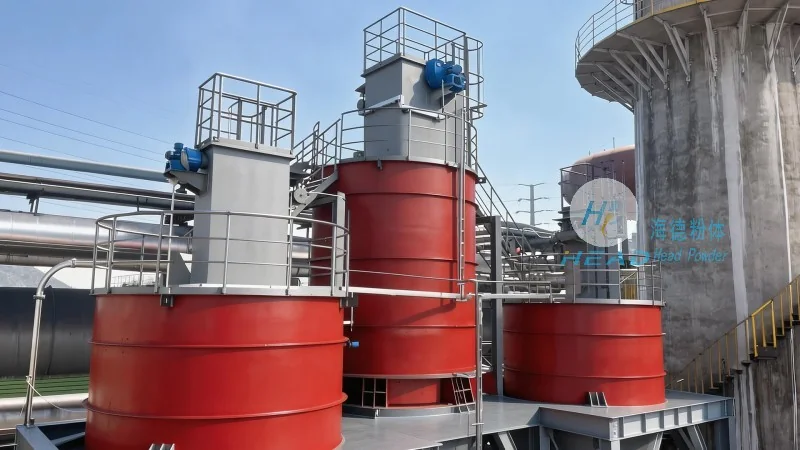
Dry sludge, typically generated from wastewater treatment plants or industrial processes, presents unique handling challenges due to its granular or powdery nature. Unlike wet sludge, which can be pumped using conventional methods, dry sludge requires specialized equipment to ensure safe and efficient transport. The choice of method depends on factors such as distance, volume, sludge characteristics, and available infrastructure. Understanding these options enables organizations to select the most suitable solution for their specific needs.
Common Dry Sludge Transportation Methods
Several methods are widely used for transporting dry sludge, each with distinct advantages and limitations. The primary approaches include pneumatic conveying, belt conveyor systems, and pipeline transport. These methods are designed to address different operational requirements and site conditions.
Pneumatic Conveying Systems
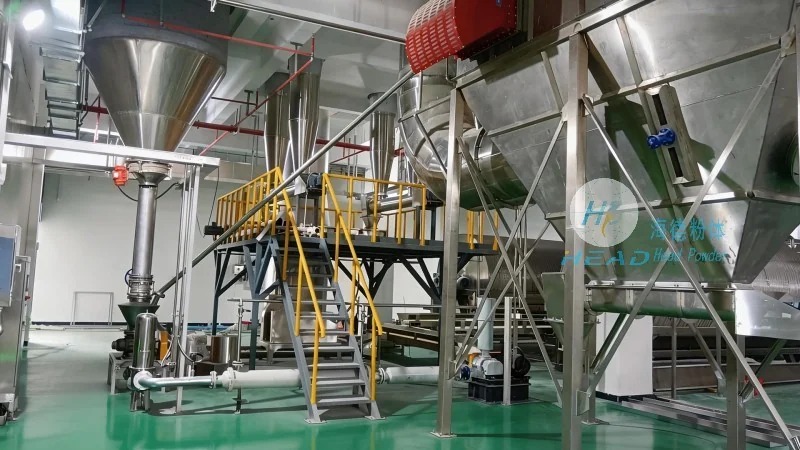
Pneumatic conveying uses air pressure to move dry sludge through a pipeline. This technology is effective for short to medium distances and is particularly suitable for fine powders and granular materials. There are two main types: positive displacement systems, which create a vacuum or pressure to draw sludge into the pipeline, and pressure dilute phase systems, which use compressed air to push the material forward. Pneumatic conveying minimizes dust generation and allows for continuous operation. However, it requires careful design to prevent blockages and is sensitive to changes in sludge moisture or particle size.
Belt Conveyor Systems
Belt conveyor systems are widely employed for transporting dry sludge over longer distances or in complex layouts. These systems consist of a continuous belt moving over rollers or pulleys, carrying the sludge from the source to the destination. Belt conveyors are capable of handling large volumes and are ideal for integrating with existing storage or processing facilities. Key advantages include high capacity, low maintenance costs, and adaptability to various environmental conditions. However, they require significant space and may be less efficient for short-distance transport compared to other methods.
Pipeline Transport

Pipeline transport is an efficient solution for long-distance dry sludge movement, commonly used in large-scale industrial or municipal applications. The sludge is conveyed through a sealed pipeline using pressure or gravity. This method is highly effective for continuous operation and can handle high volumes with minimal labor. It is particularly suitable for transporting sludge from remote facilities to central disposal sites or for integrating into existing infrastructure. The main benefits include low operational costs, reduced environmental impact, and contained material transport. However, it requires substantial upfront investment in pipeline construction and may be less flexible for route changes.
Factors Influencing Method Selection
The choice of dry sludge transportation method is influenced by multiple factors. Distance is a primary consideration, as shorter routes may favor belt conveyors or pneumatic systems, while longer distances are better suited for pipelines. Volume requirements also play a role, with high-volume applications benefiting from belt conveyors or pipelines. Sludge physical characteristics—including particle size, moisture content, and density—affect method effectiveness. Available infrastructure and site layout further influence feasibility. Environmental regulations and safety measures, such as dust control or emission requirements, also guide the selection process.
HeadPowder's Expertise in Dry Sludge Transportation
Shandong HeadPowder Engineering Co., Ltd., operating under the brand HeadPowder, is a leading provider of engineering solutions for dry sludge transportation and waste management. With operations based in Shandong, China, the company specializes in designing and implementing customized transport systems tailored to client needs. HeadPowder leverages advanced technology and industry expertise to deliver efficient, reliable, and cost-effective solutions. The company’s team works closely with clients to assess operational requirements, evaluate site conditions, and recommend the most suitable transportation method. Solutions may include integrated pneumatic conveying systems, belt conveyor networks, or pipeline infrastructure, ensuring seamless and continuous operation. By prioritizing quality, innovation, and customer satisfaction, HeadPowder has established itself as a trusted partner in the waste management sector. The company’s commitment to environmental responsibility and sustainable practices aligns with global standards, making it an ideal choice for organizations seeking to optimize their dry sludge transportation processes.

 Công ty TNHH Kỹ thuật Công trình Bột Hải Đức Sơn Đông
 156-6277-7102(Quản lý Trương)
  0531-83386006
  Quận Chương Khâu, Thành phố Tế Nam, Tỉnh Sơn Đông, Trung Quốc
Điện thoại
WeChatTư vấn
Lên đầu