Công ty Hải Đức Bột với hơn 10 năm kinh nghiệm vận chuyển khí, cung cấp hệ thống‑thiết bị‑quạt gió và nhận dự án tổng thầu bột cả nước
Propellant delivery is a critical aspect of the manufacturing and handling processes in the explosives and pyrotechnics industry. The choice of delivery method significantly impacts efficiency, safety, and the overall quality of the final product. For companies like Shandong HeadPowder Engineering Co., Ltd., which specializes in propellant engineering, understanding and implementing the right delivery methods is essential for operational success. This article explores the various methods available for propellant delivery, focusing on practical applications and considerations for industry professionals.
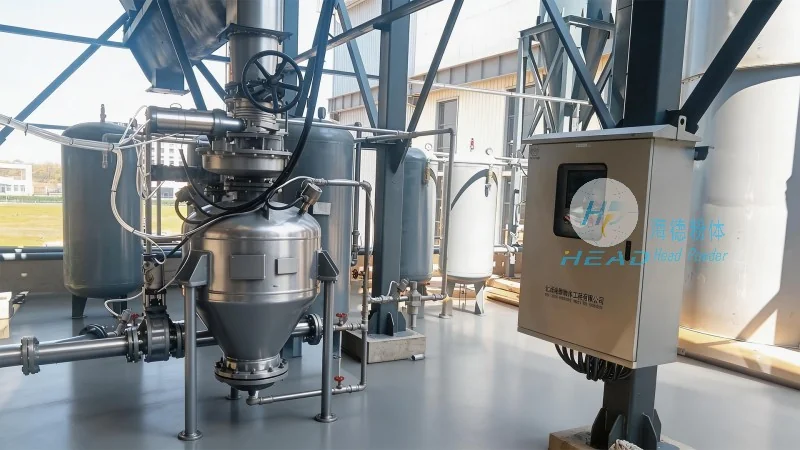
Common Propellant Delivery Methods
There are several established methods for transporting propellants from storage to processing equipment. The primary methods include bulk handling via pipelines, containerized transport using tanks or drums, and pneumatic conveying systems. Each method has its advantages and is suitable for different production scales and propellant types.
Bulk Pipeline Delivery
Bulk pipeline delivery involves transporting propellants through a network of pipes under pressure. This method is highly efficient for large-scale production facilities, as it allows for continuous, automated flow of materials. The pipelines are typically made of materials resistant to the corrosive nature of propellants, such as stainless steel or specialized alloys. For HeadPowder, this method ensures a steady supply of propellants to mixing and loading equipment, minimizing downtime and improving production throughput. The system can be equipped with valves, meters, and monitoring devices to control flow rates and maintain consistent pressure, which is crucial for maintaining propellant quality and preventing accidents.
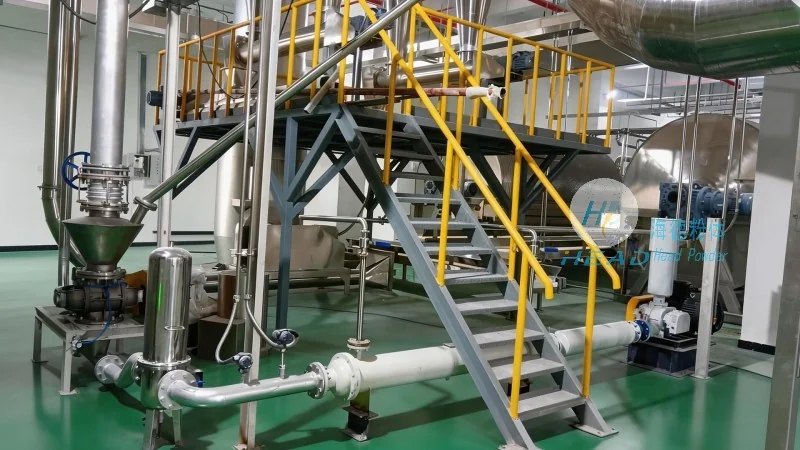
Containerized Transport
Containerized transport involves moving propellants in sealed containers like tanks or drums. This method is ideal for smaller production batches or for transporting propellants to different locations within a facility or between sites. The containers are designed to meet safety standards, with features such as pressure relief valves and secure closures to prevent leaks or spills. For HeadPowder, containerized transport allows for flexibility in handling propellants that may have specific handling requirements or are used in specialized applications. The containers can be loaded and unloaded using forklifts or specialized equipment, ensuring safe and efficient transfer. This method is particularly useful when the production process requires intermittent delivery or when the propellant needs to be stored temporarily before use.
Pneumatic Conveying Systems
Pneumatic conveying systems use air or other gases to transport propellants through a pipeline. This method is suitable for fine powders or granules, as it can handle materials with low bulk density. The system consists of a hopper, a conveyor line, and a receiver, with air being blown through the line to move the propellant. For HeadPowder, pneumatic conveying is often used for propellants that are sensitive to moisture or that need to be handled in a dust-free environment. The system can be designed as a positive or negative pressure system, depending on the material and the desired flow rate. Positive pressure systems are common for transporting powders over short distances, while negative pressure systems are used for longer distances or for materials that are more prone to dust generation. Pneumatic conveying offers advantages such as low maintenance, the ability to handle a wide range of propellant types, and the option to integrate with other processing equipment.
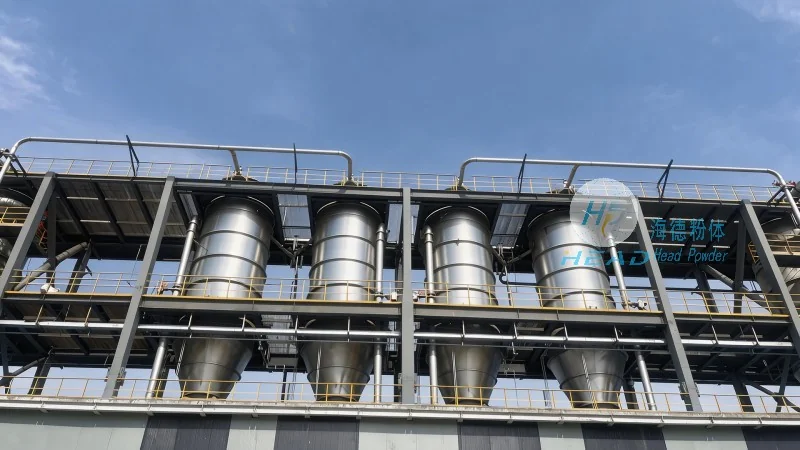
Other Delivery Methods
In addition to the primary methods mentioned above, other techniques may be used for specific propellant types or applications. For example, screw conveyors are used for transporting granular propellants in a vertical or horizontal direction. Belt conveyors are suitable for larger, bulkier propellants that need to be moved over longer distances. These methods are often used in combination with other systems to create a comprehensive propellant delivery network. For HeadPowder, the choice of delivery method depends on factors such as the propellant's physical properties, the production scale, and the safety requirements of the facility. The company's expertise in propellant engineering allows for the selection and implementation of the most appropriate delivery system for each client's needs.
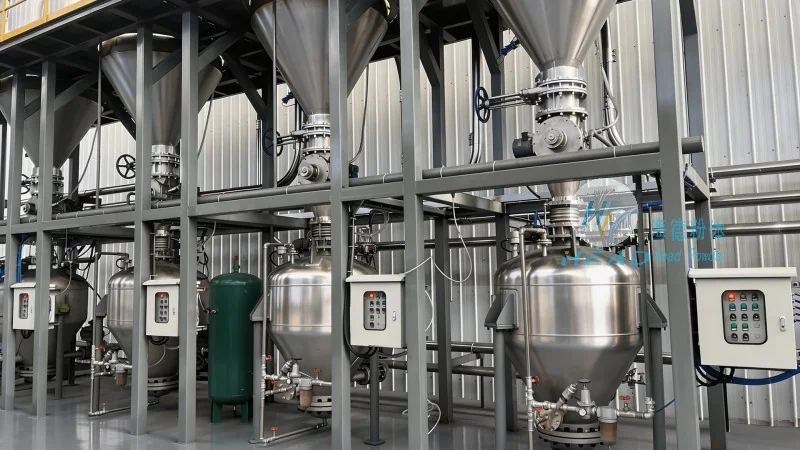
Key Considerations for Propellant Delivery
When selecting a propellant delivery method, several factors must be considered to ensure safety, efficiency, and compliance with industry regulations. First, the physical properties of the propellant, such as its particle size, moisture content, and bulk density, play a significant role in determining the most suitable method. For example, fine powders may require pneumatic conveying, while larger granules may be better suited for bulk pipelines. Second, the production scale and throughput requirements must be evaluated. Large-scale operations may benefit from bulk pipeline delivery, while smaller operations may use containerized transport. Third, safety considerations are paramount, as propellants are often flammable or explosive. The delivery system must be designed to prevent leaks, spills, and overpressure, with appropriate safety features like pressure relief valves and explosion-proof components. Fourth, cost and maintenance factors should be considered. While pneumatic conveying may have lower initial costs, it may require more maintenance due to the wear and tear on the system components. Finally, regulatory compliance is essential, as the handling of propellants is subject to strict regulations to ensure worker safety and environmental protection.
Conclusion
Propellant delivery is a complex process that requires careful consideration of various factors to ensure optimal performance and safety. For companies like Shandong HeadPowder Engineering Co., Ltd., understanding the different delivery methods and selecting the appropriate system is crucial for meeting production goals and maintaining industry standards. By leveraging their expertise in propellant engineering, HeadPowder helps clients implement efficient and safe delivery systems tailored to their specific needs. Whether using bulk pipelines, containerized transport, or pneumatic conveying, the right delivery method can significantly improve operational efficiency and product quality in the explosives and pyrotechnics industry.

 Công ty TNHH Kỹ thuật Công trình Bột Hải Đức Sơn Đông
 156-6277-7102(Quản lý Trương)
  0531-83386006
  Quận Chương Khâu, Thành phố Tế Nam, Tỉnh Sơn Đông, Trung Quốc
Điện thoại
WeChatTư vấn
Lên đầu