Công ty Hải Đức Bột với hơn 10 năm kinh nghiệm vận chuyển khí, cung cấp hệ thống‑thiết bị‑quạt gió và nhận dự án tổng thầu bột cả nước
Designing an efficient and reliable dust-removing coke powder pneumatic conveying system is crucial for industries dealing with coke powder, as it ensures safe material transport while maintaining environmental standards. This article provides a comprehensive guide on the key considerations and best practices for developing a rational system plan, with insights from Shandong HeadPowder Engineering Co., Ltd., a leading provider in the field.
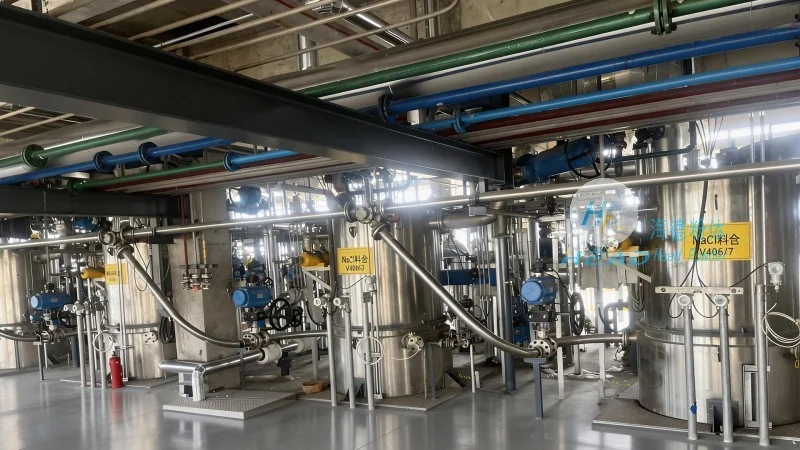
Understanding the Core Components of the System
A well-designed dust-removing coke powder pneumatic conveying system integrates several critical components that work in harmony to achieve optimal performance. The primary elements include the material feed hopper, dust collection equipment, conveying pipeline, air supply system, and control mechanisms. Each component must be carefully selected and configured to handle the specific characteristics of coke powder, such as its particle size, moisture content, and flowability.
Key Design Considerations for System Efficiency
Several factors must be considered to ensure the system operates efficiently and reliably. First, the selection of the conveying method—whether positive or negative pressure—depends on the application requirements and the distance over which the material needs to be transported. Positive pressure systems are often preferred for long-distance or high-capacity applications, as they can maintain consistent airflow and prevent material degradation. Conversely, negative pressure systems are suitable for short-distance or dusty environments where minimizing dust emissions is a priority.
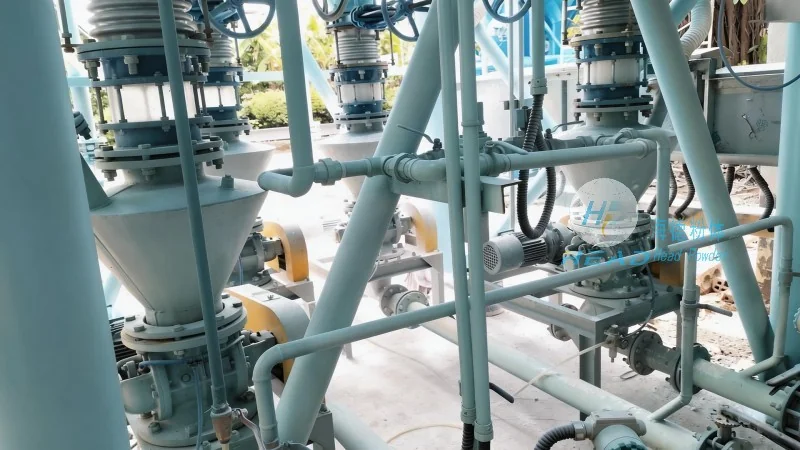
Another critical consideration is the air velocity and pressure within the pipeline. The air velocity must be sufficient to keep the coke powder particles suspended but not so high as to cause excessive wear on the equipment or increase energy consumption. Typically, air velocities range from 20 to 30 meters per second for fine coke powders, with adjustments made based on particle size and density. The pressure drop across the system also needs to be managed to ensure adequate airflow and prevent system backpressure issues.
Equipment Selection and Integration
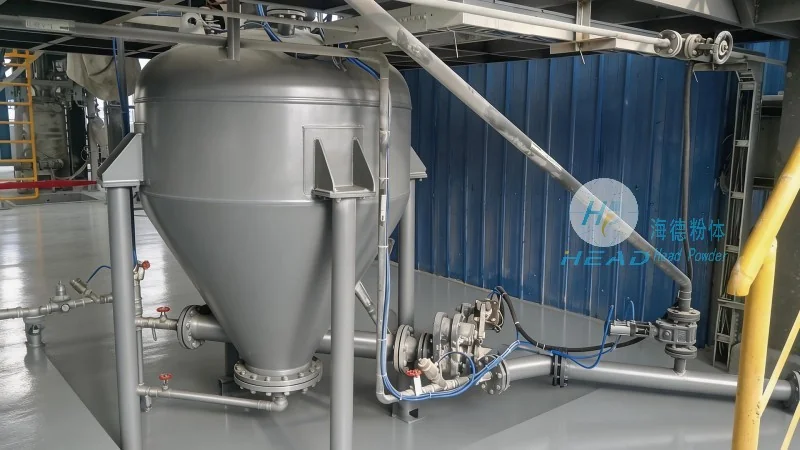
Shandong HeadPowder Engineering Co., Ltd. emphasizes the importance of selecting high-quality equipment that is specifically designed for handling coke powder. The material feed hopper should be equipped with a rotary valve or a star feeder to control the flow rate and prevent blockages. The dust collection system, such as a baghouse or cartridge filter, must be capable of capturing fine particles and maintaining low pressure drop to ensure efficient operation. The air supply system, including the blower or compressor, should be matched to the system's air demand to avoid underperformance or excessive energy use.
The conveying pipeline is typically made of stainless steel or other corrosion-resistant materials to withstand the abrasive nature of coke powder. The pipeline layout should be designed to minimize bends and changes in direction, as these can cause pressure losses and particle separation. For long-distance systems, vertical sections may be included, but they require careful design to prevent material settling and ensure consistent airflow.
Control Strategies and Automation
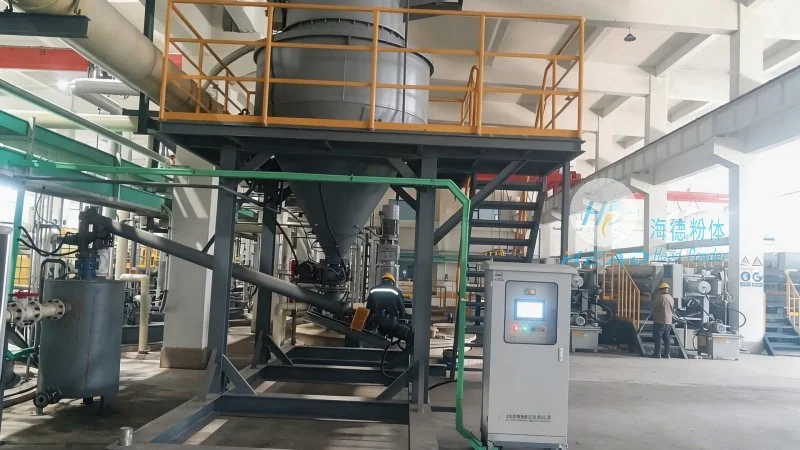
Modern dust-removing coke powder pneumatic conveying systems often incorporate advanced control strategies to enhance performance and reduce operational costs. Automation can include real-time monitoring of air pressure, flow rate, and material level, allowing for immediate adjustments to maintain optimal conditions. The control system should also include safety features, such as pressure relief valves and emergency shut-off mechanisms, to prevent accidents and protect personnel and equipment.
Integration with existing plant systems is another consideration. The conveying system can be connected to the plant's dust collection or material handling infrastructure, enabling seamless operation and reducing the need for separate equipment. This integration also allows for better data collection and analysis, which can be used to optimize system performance over time.
Maintenance and Optimization
Regular maintenance is essential to ensure the long-term reliability and efficiency of the dust-removing coke powder pneumatic conveying system. This includes inspecting and cleaning the pipeline and equipment to prevent blockages and wear, replacing filters and seals as needed, and monitoring system performance parameters. Shandong HeadPowder Engineering Co., Ltd. provides comprehensive maintenance services to help clients maximize the lifespan of their systems and minimize downtime.
Optimization of the system can also be achieved through regular performance testing and adjustments. By analyzing data on air consumption, pressure drop, and material flow, operators can identify areas for improvement and implement changes to enhance efficiency. For example, adjusting the air velocity or pressure can improve material transport while reducing energy costs. Additionally, regular maintenance and equipment upgrades can extend the system's operational life and reduce the need for costly replacements.

 Công ty TNHH Kỹ thuật Công trình Bột Hải Đức Sơn Đông
 156-6277-7102(Quản lý Trương)
  0531-83386006
  Quận Chương Khâu, Thành phố Tế Nam, Tỉnh Sơn Đông, Trung Quốc
Điện thoại
WeChatTư vấn
Lên đầu