Công ty Hải Đức Bột với hơn 10 năm kinh nghiệm vận chuyển khí, cung cấp hệ thống‑thiết bị‑quạt gió và nhận dự án tổng thầu bột cả nước
Corn starch is a critical raw material in numerous industrial sectors, including food processing, pharmaceutical manufacturing, and chemical production. The efficient and safe transportation of corn starch from storage silos to processing units is paramount for maintaining product integrity and operational efficiency. A pneumatic conveying system offers a non-contact, low-cost solution for moving bulk materials like corn starch. This guide outlines the essential steps and considerations for designing a reliable corn starch pneumatic conveying system, tailored to the specific demands of industrial applications.
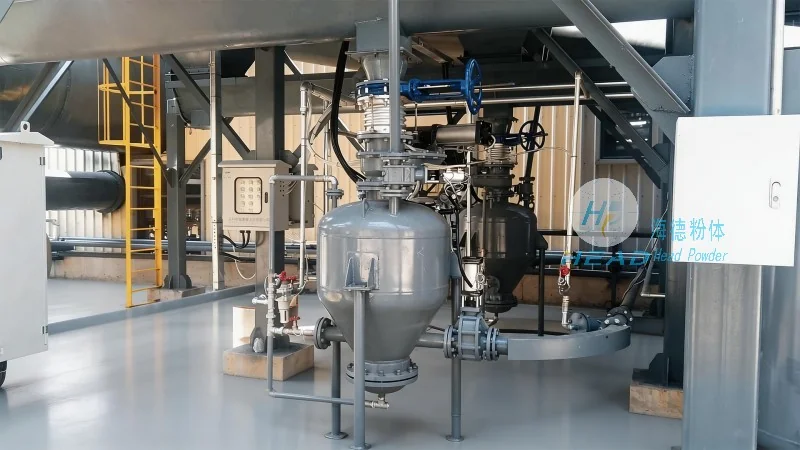
Key Design Principles for Corn Starch Pneumatic Conveying
Designing a corn starch pneumatic conveying system necessitates a thorough understanding of material properties and operational requirements. The system must be capable of handling the unique characteristics of corn starch, such as its particle size, moisture content, and flowability. Key design principles include:
Material Compatibility: Ensuring all system components are compatible with corn starch to prevent contamination and corrosion.
Pressure and Flow Rate Optimization: Balancing air pressure and flow rate to achieve efficient material transport without causing excessive wear or product degradation.
System Reliability: Incorporating redundancy and maintenance-friendly designs to minimize downtime and ensure consistent performance.
Core Components of a Corn Starch Pneumatic Conveying System
A typical corn starch pneumatic conveying system comprises several interconnected components that work together to move the material. These include:
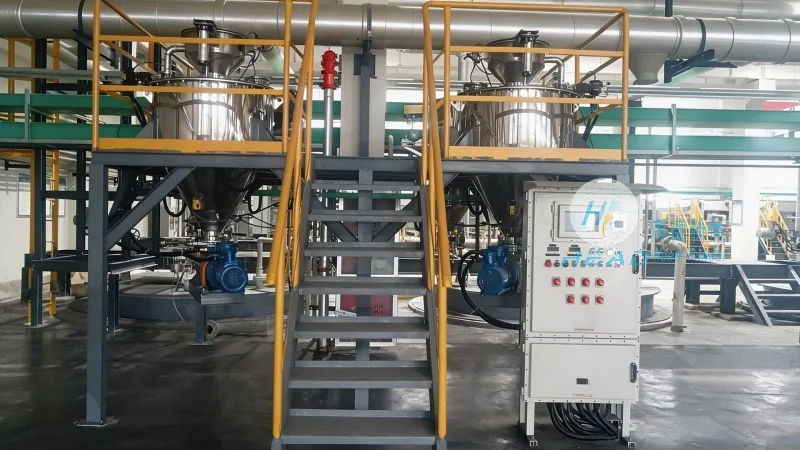
Feeder: The feeder is responsible for accurately metering the corn starch into the conveying line. For corn starch, a rotary valve or a screw feeder is commonly used to maintain a consistent flow rate.
Pneumatic Conveying Pipe: The pipe system transports the corn starch using compressed air. The choice of pipe material (e.g., stainless steel or plastic) depends on the system's pressure and the material's characteristics.
Air Compressor: Provides the necessary pressure to move the material through the pipe. The compressor must be sized appropriately to handle the system's requirements and ensure stable operation.
Receiver: The receiver collects the corn starch at the destination point, allowing for easy discharge and storage.
Control System: Monitors and controls the system's operation, including pressure, flow rate, and material levels, to ensure safe and efficient performance.
Design Considerations for Corn Starch Pneumatic Conveying
Several factors must be considered during the design phase to ensure the system meets the operational and performance requirements:
Particle Size and Distribution: The size and distribution of corn starch particles affect the system's design, as larger particles may require higher air velocities to prevent blockages.
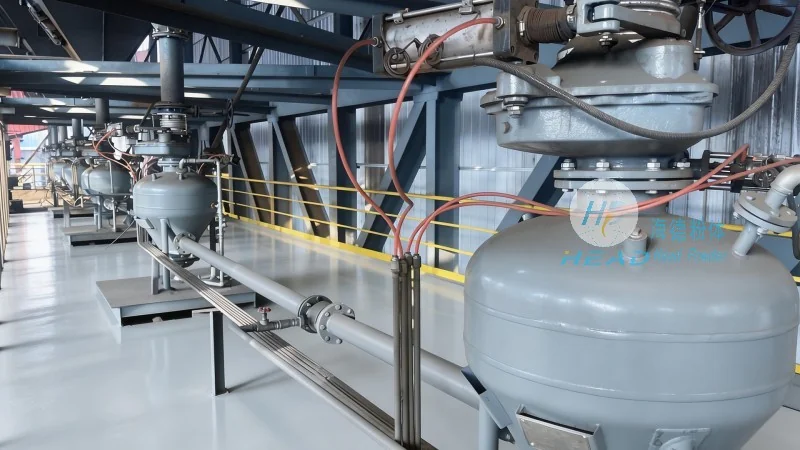
Moisture Content: Corn starch's moisture content can impact its flowability and the system's pressure requirements. Higher moisture levels may increase the risk of clogging.
System Length and Layout: The distance and layout of the conveying line influence the air pressure and compressor size needed to maintain efficient transport.
Environmental Factors: Considerations such as temperature, humidity, and dust control are important to prevent product degradation and ensure system longevity.
Case Study: A Successful Corn Starch Pneumatic Conveying System Implementation
Shandong HeadPowder Engineering Co., Ltd., a leading provider of bulk material handling solutions, recently completed a project for a corn starch processing plant. The system was designed to transport 10 tons of corn starch per hour over a distance of 200 meters. The solution included a rotary valve feeder, stainless steel conveying pipes, and a high-efficiency air compressor. The system has been in operation for over two years, achieving consistent performance with minimal maintenance. This case study highlights the importance of proper system design and component selection in ensuring long-term reliability and efficiency.
Conclusion and Recommendations
Designing a reasonable corn starch pneumatic conveying system requires a comprehensive approach that considers material properties, operational requirements, and system components. By following the design principles outlined in this guide and working with experienced engineering partners like Shandong HeadPowder Engineering Co., Ltd., industries can achieve efficient, reliable, and cost-effective corn starch transport solutions. Regular maintenance and system monitoring are also essential to ensure the system continues to operate at optimal levels over time.

 Công ty TNHH Kỹ thuật Công trình Bột Hải Đức Sơn Đông
 156-6277-7102(Quản lý Trương)
  0531-83386006
  Quận Chương Khâu, Thành phố Tế Nam, Tỉnh Sơn Đông, Trung Quốc
Điện thoại
WeChatTư vấn
Lên đầu