Công ty Hải Đức Bột với hơn 10 năm kinh nghiệm vận chuyển khí, cung cấp hệ thống‑thiết bị‑quạt gió và nhận dự án tổng thầu bột cả nước
When it comes to handling rare earth mineral powders, the design of an efficient pneumatic conveying system is crucial for ensuring smooth operations, minimizing material loss, and maintaining system longevity. A well-designed system not only enhances productivity but also reduces operational costs by optimizing energy consumption and maintenance requirements. In this article, we will explore key considerations and best practices for designing a reliable rare earth mineral powder pneumatic conveying system, with a focus on the expertise and solutions provided by Shandong HeadPowder Engineering Co., Ltd., a leading company in the field.
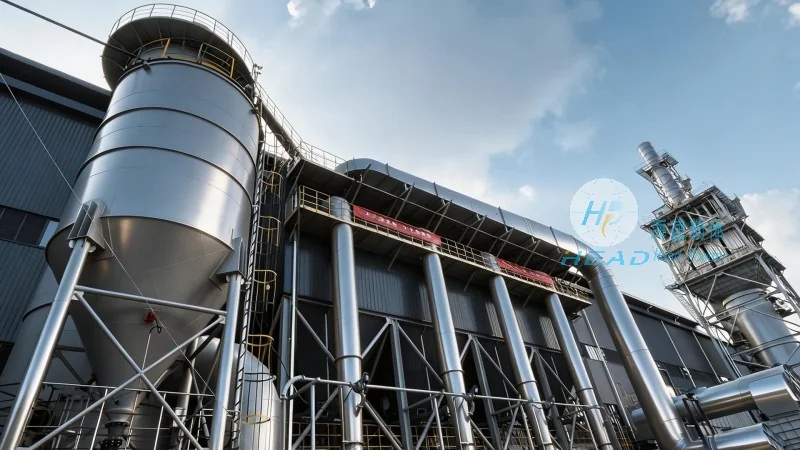
Key Factors in Rare Earth Mineral Powder Pneumatic Conveying System Design
The first step in designing a pneumatic conveying system for rare earth mineral powders is to understand the specific characteristics of the material being handled. Rare earth minerals often have unique properties such as high density, fine particle size, and varying moisture content, which can significantly impact system performance. For instance, fine powders may require higher air velocities to prevent clogging, while cohesive materials might need additional measures like vibration or air knives to maintain flow. Shandong HeadPowder Engineering Co., Ltd. emphasizes the importance of material testing and analysis to tailor the system design to the specific needs of each client.
Another critical factor is the choice between positive pressure and negative pressure systems. Positive pressure systems, where air is blown into the system to move material, are commonly used for long-distance or high-capacity conveying. They are effective for handling abrasive or corrosive materials, which are often encountered in rare earth processing. Negative pressure systems, on the other hand, draw material into the system using suction, making them suitable for applications where dust control is a priority or where the material needs to be transported from multiple sources. The decision between these two types depends on factors like the distance of the conveying line, the required capacity, and the environmental regulations in the operating area.
System Components and Equipment Selection
Once the system type is determined, the next step is to select the appropriate components and equipment. This includes the air compressor or blower, which provides the necessary air pressure and flow rate. For rare earth mineral powders, high-efficiency, low-noise compressors are preferred to minimize energy consumption and noise pollution. The pipeline design is also crucial, as it must be constructed from materials resistant to corrosion and abrasion caused by the mineral particles. Stainless steel or special alloys are often used for the pipeline to ensure durability and prevent material degradation. Additionally, the system may include components such as feeders, cyclones, and filters to control the flow of material and maintain air quality.
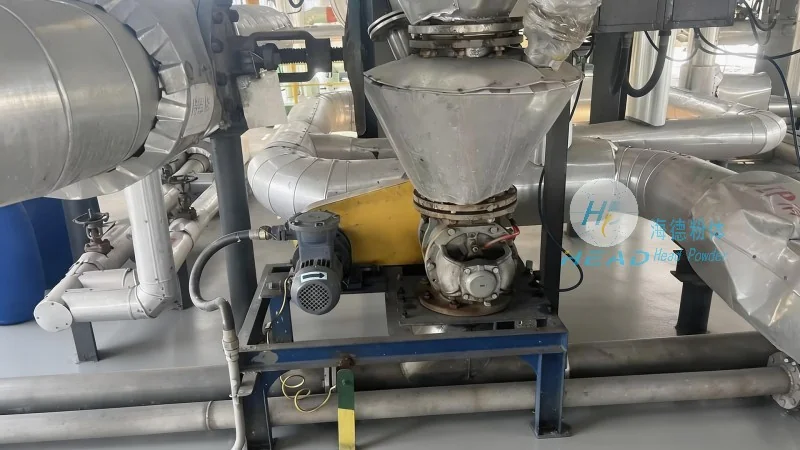
Feeder selection is another key aspect of system design. For rare earth mineral powders, screw feeders or rotary valves are commonly used to ensure a consistent and controlled feed rate. These devices help prevent blockages and ensure smooth material transfer from the storage silo to the conveying line. Cyclones are used for separation and collection of the conveyed material, while filters are essential for maintaining air cleanliness and complying with environmental regulations. Shandong HeadPowder Engineering Co., Ltd. offers a range of high-quality equipment tailored to the specific requirements of rare earth mineral processing, ensuring optimal performance and reliability.
Design Considerations for Efficiency and Reliability
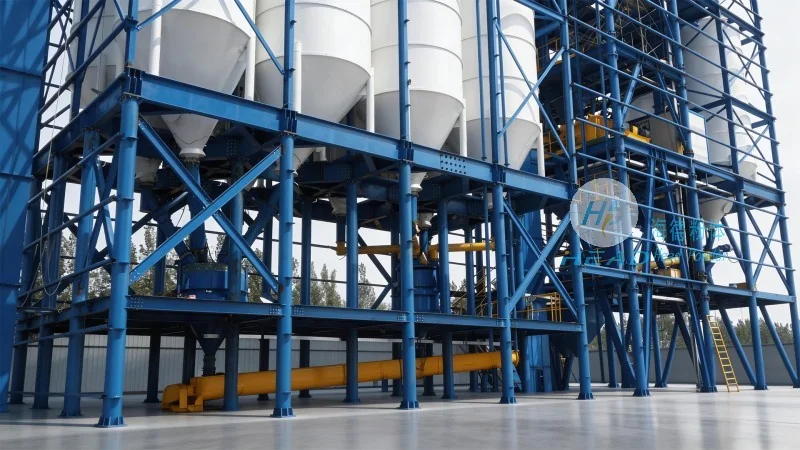
Efficiency and reliability are paramount when designing a pneumatic conveying system for rare earth mineral powders. The system should be designed to minimize energy consumption while maintaining the required conveying capacity. This involves optimizing the air velocity and pressure to achieve the best balance between material transport and energy use. Additionally, the system should be designed with redundancy and maintenance in mind, ensuring that downtime is minimized and repairs can be performed quickly. For example, incorporating spare parts and easy-to-access components can significantly reduce maintenance time and costs.
Another important consideration is the environmental impact of the system. Rare earth mineral processing often generates dust, which can be harmful to both the environment and personnel. Therefore, dust control measures such as filters and dust collection systems are essential. Shandong HeadPowder Engineering Co., Ltd. prioritizes environmental compliance and offers systems that meet or exceed industry standards for air quality. By integrating these measures into the design, the system not only operates efficiently but also contributes to a safer and more sustainable operation.
Case Studies and Real-World Applications
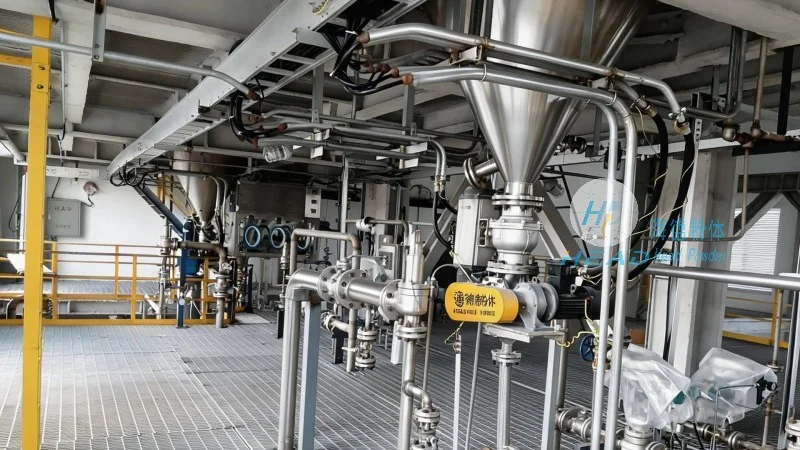
Shandong HeadPowder Engineering Co., Ltd. has successfully implemented numerous rare earth mineral powder pneumatic conveying systems for clients across China. These projects have involved various applications, from conveying fine rare earth powders from storage silos to processing facilities to transporting bulk material over long distances. The company's expertise in material analysis and system design has enabled them to deliver customized solutions that meet the specific needs of each client. For example, one project involved the design of a positive pressure system for a rare earth mine, which successfully transported 200 tons of material per hour over a distance of 1.5 kilometers. The system was designed to handle the high abrasiveness of the material and maintain a low dust emission rate, meeting the client's environmental and operational requirements.
Another case study involved a negative pressure system for a rare earth processing plant, where the goal was to transport material from multiple feed points to a central processing unit. The system was designed to handle varying material flow rates and maintain consistent air quality. The implementation of this system resulted in a significant reduction in material loss and increased overall productivity for the client. These success stories demonstrate the effectiveness of Shandong HeadPowder Engineering Co., Ltd.'s approach to designing and implementing pneumatic conveying systems for rare earth mineral powders.
Conclusion and Future Trends
In conclusion, designing a proper rare earth mineral powder pneumatic conveying system requires a comprehensive understanding of the material properties, system requirements, and operational constraints. By considering factors such as system type, component selection, and efficiency, engineers can develop a system that meets the specific needs of the client while ensuring long-term reliability and cost-effectiveness. Shandong HeadPowder Engineering Co., Ltd. stands out as a leading provider of such systems, with a strong focus on material analysis, customized design, and high-quality equipment. Their expertise in the field has enabled them to deliver solutions that enhance productivity, reduce costs, and contribute to a more sustainable operation in the rare earth mineral processing industry.

 Công ty TNHH Kỹ thuật Công trình Bột Hải Đức Sơn Đông
 156-6277-7102(Quản lý Trương)
  0531-83386006
  Quận Chương Khâu, Thành phố Tế Nam, Tỉnh Sơn Đông, Trung Quốc
Điện thoại
WeChatTư vấn
Lên đầu