Công ty Hải Đức Bột với hơn 10 năm kinh nghiệm vận chuyển khí, cung cấp hệ thống‑thiết bị‑quạt gió và nhận dự án tổng thầu bột cả nước
When it comes to handling corn cob material efficiently, a well-designed pneumatic conveying system is crucial. Corn cob, a byproduct of corn processing, presents unique challenges due to its bulkiness, irregular shape, and varying moisture content. A properly engineered system ensures smooth material transport, reduces operational costs, and enhances overall process reliability. This article explores the key considerations and steps involved in designing a reasonable corn cob pneumatic conveying system, with a focus on practical solutions tailored to industrial applications.
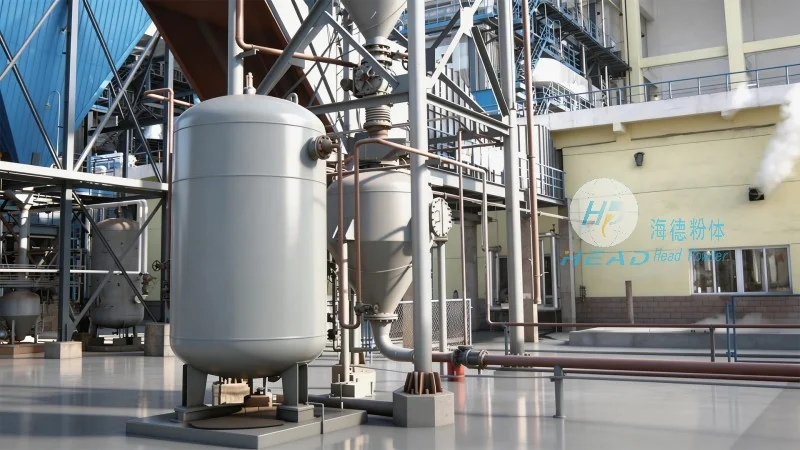
Key Factors Influencing Corn Cob Pneumatic Conveying System Design
The design of a corn cob pneumatic conveying system must account for several critical factors to ensure optimal performance. First, the material characteristics of corn cob are paramount. These include particle size distribution, bulk density, and moisture level, as they directly impact the air velocity required for effective transport. Additionally, the system's capacity needs to align with the production scale of the facility, whether it's a small-scale processing plant or a large industrial operation. The distance and layout of the conveying route also play a significant role, as longer or more complex routes may necessitate additional components like cyclones or rotary valves to maintain system efficiency. Furthermore, the choice of conveying method—whether dilute phase or dense phase—depends on the specific application, as each has distinct advantages in terms of energy consumption and material handling capabilities.
HeadPowder's Expertise in Corn Cob Pneumatic Conveying Solutions
Shandong HeadPowder Engineering Co., Ltd., commonly known as HeadPowder, specializes in providing comprehensive solutions for corn cob pneumatic conveying systems. With years of experience in the engineering and manufacturing of material handling equipment, HeadPowder has developed a deep understanding of the unique demands of corn cob processing. The company's team of engineers works closely with clients to assess their specific requirements, from initial material analysis to final system implementation. HeadPowder's approach emphasizes customization, ensuring that each system is tailored to the client's operational needs and budget constraints. By leveraging advanced design software and real-world testing, HeadPowder ensures that the final system meets or exceeds industry standards for efficiency, reliability, and durability.
Components of a Typical Corn Cob Pneumatic Conveying System
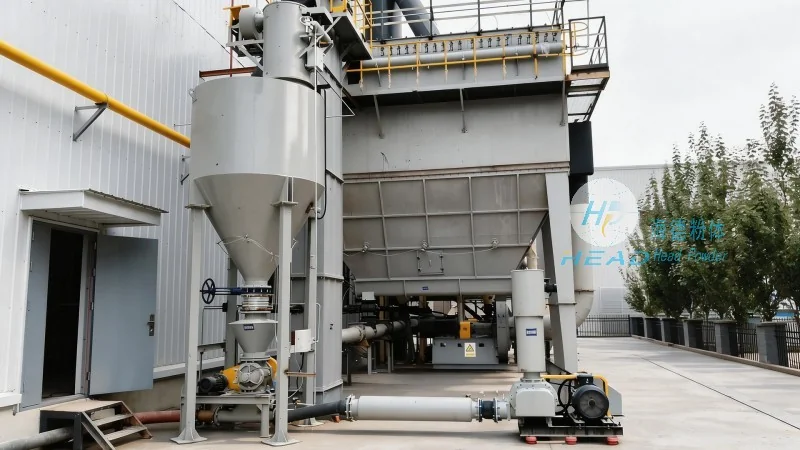
A standard corn cob pneumatic conveying system typically consists of several key components, each playing a vital role in the overall operation. The system begins with a hopper or storage silo, where the corn cob is stored before being fed into the conveying line. A rotary valve or feeder is used to control the flow of material into the system, ensuring a consistent and controlled feed rate. The air supply is provided by a blower or fan, which generates the necessary air pressure to move the material through the pipeline. The conveying pipeline itself is usually made of durable materials such as stainless steel or PVC, chosen for their resistance to corrosion and wear from the corn cob particles. At the receiving end, a cyclone separator or filter is used to separate the corn cob from the air stream, allowing the material to be deposited in a designated container. Finally, a dust collection system may be included to capture any airborne particles and maintain a clean working environment.
Design Considerations for Optimal Performance
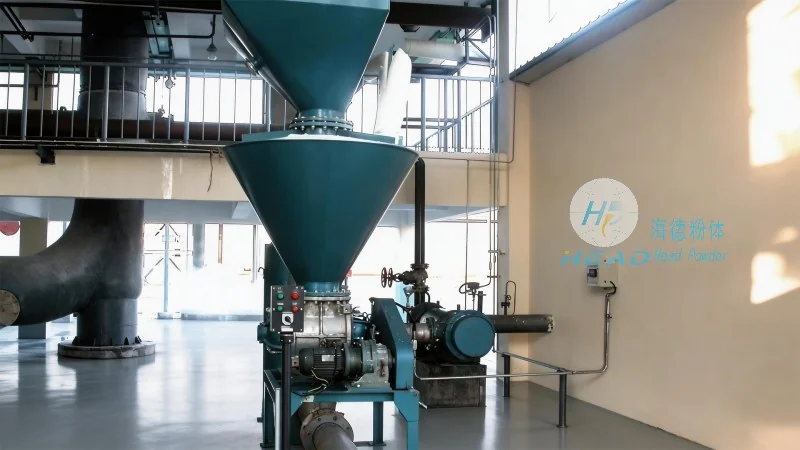
Designing a corn cob pneumatic conveying system requires careful consideration of several technical aspects to achieve optimal performance. One critical factor is the air velocity, which must be sufficient to overcome the resistance of the corn cob particles in the pipeline while avoiding excessive energy consumption. Engineers often use the "critical velocity" concept, which is the minimum air velocity required to keep the material suspended and prevent it from settling or clogging the system. Another important consideration is the pipeline diameter, which should be sized appropriately to accommodate the flow rate and particle size of the corn cob. Larger particles may require a larger diameter to prevent blockages, while smaller particles can be conveyed in narrower pipes with higher air velocities. Additionally, the system's pressure drop must be managed to ensure that the blower or fan can maintain the required pressure throughout the conveying route. Proper maintenance and regular inspections are also essential to prevent system failures and ensure long-term reliability.
Case Study: Implementing a Corn Cob Pneumatic Conveying System for a Food Processing Plant
HeadPowder recently completed a project for a food processing plant in China, where the client needed to transport corn cob from a storage silo to a processing unit over a distance of 50 meters. The plant's production capacity required a system capable of handling 10 tons of corn cob per hour. HeadPowder's engineers conducted a thorough analysis of the material characteristics, including particle size distribution and moisture content, and designed a dilute phase system with a stainless steel pipeline and a high-efficiency cyclone separator. The system was equipped with a variable frequency drive (VFD) to control the air flow and optimize energy consumption. After installation and commissioning, the system achieved a conveying efficiency of over 95%, with minimal material loss and no clogging issues. The client reported significant cost savings in terms of labor and energy, as well as improved process reliability and reduced downtime.
Conclusion: Choosing the Right Corn Cob Pneumatic Conveying System
Designing a reasonable corn cob pneumatic conveying system is a complex process that requires a deep understanding of material properties, system components, and operational requirements. By considering factors such as material characteristics, system capacity, and layout, engineers can develop a system that maximizes efficiency and minimizes costs. HeadPowder, with its expertise and commitment to quality, offers tailored solutions that meet the specific needs of corn cob processing facilities. Whether for small-scale or large-scale operations, HeadPowder's systems are designed to deliver reliable, efficient, and durable performance, ensuring that clients can focus on their core business while maintaining a smooth and cost-effective material handling process.

 Công ty TNHH Kỹ thuật Công trình Bột Hải Đức Sơn Đông
 156-6277-7102(Quản lý Trương)
  0531-83386006
  Quận Chương Khâu, Thành phố Tế Nam, Tỉnh Sơn Đông, Trung Quốc
Điện thoại
WeChatTư vấn
Lên đầu